
Biodegradable PCBs: The Future of Sustainable Electronics
Abstract
The electronics industry faces growing environmental challenges due to the accumulation of non-degradable electronic waste (e-waste). Traditional printed circuit boards (PCBs), composed of epoxy resins, fiberglass, and toxic metals, contribute significantly to pollution. Biodegradable PCBs offer a sustainable alternative by utilizing organic substrates, conductive polymers, and eco-friendly manufacturing processes. This paper explores the materials, fabrication techniques, applications, and future prospects of biodegradable PCBs, highlighting their potential to revolutionize sustainable electronics.
1. Introduction
Printed circuit boards (PCBs) are essential components in modern electronics, providing mechanical support and electrical connections. However, conventional PCBs are made from non-biodegradable materials such as FR-4 (fiberglass-reinforced epoxy), which persist in landfills for centuries. With global e-waste exceeding 53 million metric tons annually (UN Global E-waste Monitor 2020), there is an urgent need for sustainable alternatives.
Biodegradable PCBs are designed to decompose naturally under environmental conditions, reducing long-term pollution. Researchers are exploring organic substrates, conductive inks, and non-toxic soldering methods to create eco-friendly electronics. This paper examines the latest advancements in biodegradable PCB technology and their implications for a circular economy.
2. Materials for Biodegradable PCBs
2.1 Substrate Materials
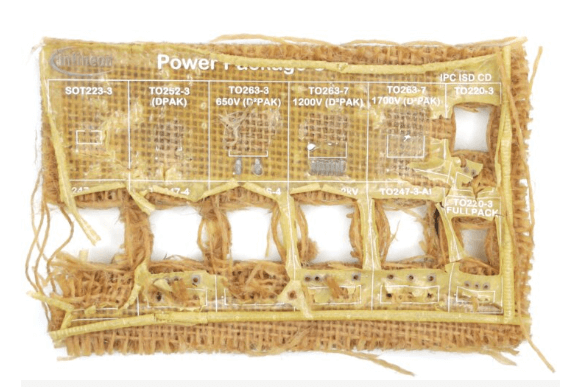
The substrate forms the base of a PCB and must provide mechanical stability while being biodegradable. Common materials include:
- Polylactic Acid (PLA): A biodegradable thermoplastic derived from corn starch or sugarcane. PLA is widely used in 3D printing and can serve as a PCB substrate.
- Cellulose-Based Materials: Paper, cellulose nanofiber (CNF), and bacterial cellulose films offer flexibility and biodegradability.
- Polyhydroxyalkanoates (PHA): Produced by microorganisms, PHAs decompose in soil and marine environments.
- Gelatin and Chitosan: Protein- and polysaccharide-based materials that are biocompatible and compostable.
2.2 Conductive Traces
Traditional PCBs use copper traces, which are non-degradable. Biodegradable alternatives include:
- Conductive Polymers: PEDOT:PSS (poly(3,4-ethylenedioxythiophene) polystyrene sulfonate) provides conductivity while being biocompatible.
- Carbon-Based Inks: Graphene and carbon nanotube inks offer low resistance and environmental safety.
- Metallic Nanoparticles: Silver and zinc nanoparticles can be used in small quantities while maintaining biodegradability.
2.3 Solder Alternatives
Lead-free and biodegradable solders are being developed, such as:
- Indium-Bismuth Alloys: Low melting point and reduced toxicity.
- Organic Adhesives: Conductive glues made from natural resins.
3. Fabrication Techniques
3.1 Inkjet Printing
Inkjet printing allows precise deposition of conductive inks on biodegradable substrates, reducing material waste.
3.2 Screen Printing
A cost-effective method for applying conductive pastes onto flexible substrates like paper or PLA.
3.3 Laser Engraving
Laser ablation can create circuit patterns on biodegradable films without chemical etching.
3.4 3D Printing
Additive manufacturing enables the production of fully biodegradable PCBs with complex geometries.
4. Applications of Biodegradable PCBs
4.1 Medical Electronics
- Implantable Devices: Biodegradable PCBs can be used in temporary medical implants that dissolve after healing.
- Wearable Sensors: Eco-friendly health monitors that degrade after use.
4.2 Consumer Electronics
- Disposable Electronics: Single-use gadgets like smart packaging sensors.
- Sustainable IoT Devices: Environmental sensors that decompose after deployment.
4.3 Agricultural Technology
- Soil Sensors: Biodegradable moisture and nutrient sensors that enrich soil as they break down.
5. Challenges and Future Directions
5.1 Durability vs. Biodegradability
Balancing circuit longevity with decomposition rates remains a key challenge.
5.2 Scalability
Mass production of biodegradable PCBs requires cost-effective manufacturing methods.
5.3 Recycling Infrastructure
Improved e-waste management systems are needed to handle biodegradable electronics.
5.4 Future Innovations
- Self-Healing Circuits: Integrating biodegradable materials with self-repairing properties.
- Biohybrid Electronics: Combining living cells with biodegradable circuits for advanced applications.
6. Conclusion
Biodegradable PCBs represent a transformative shift toward sustainable electronics. By leveraging organic substrates, eco-friendly conductive materials, and advanced fabrication techniques, researchers are paving the way for a greener future. While challenges remain in durability and scalability, ongoing innovations promise to make biodegradable PCBs a mainstream solution for reducing e-waste. The adoption of these technologies will play a crucial role in achieving a circular economy in electronics manufacturing.