Blogs

  • metal core pcb dielectric

    Metal Core PCB (Printed Circuit Board) is a type of PCB that uses a metal core as its basematerial instead of the traditional FR-4 (Fiberglass Reinforced Epoxy). The metal coreprovides excellent thermal conductivity, making it ideal for high-power applications.However, to ensure the proper functioning of the PCB, it is essential to choose the rightdielectric material….
  • Duroid 5880

    It is a PTFE composite material that is designed to provide excellent electrical performance at high frequencies. The substrate has a low dielectric constant of 2.2, which makes it ideal for use in microwave and millimeter-wave applications. It also has a low loss tangent, which means that it can transmit signals with minimal signal loss….

  • Rt duroid 5880

    RT Duroid 5880 is a high-frequency laminate material that is commonly used in the construction of microwave circuits, antennas, and other high-performance electronic devices. It is known for its excellent electrical properties, low loss, and high thermal stability, making it ideal for use in high-frequency applications. The material is made up of a woven fiberglass…

  • Metal Core PCB Prototyping: The Future of Printed Circuit Boards

    Printed circuit boards (PCBs) are an essential component in modern electronic devices. Theyserve as a platform for the connection of electronic components, allowing for the smoothflow of electricity between them. However, traditional PCBs have limitations in terms ofheat dissipation, making them unsuitable for high-power applications. This is where MetalCore PCB Prototyping comes in. Metal Core…

  • Aluminium pcb thermal resistance

    Aluminum PCBs have good thermal conductivity and low thermal resistance compared to traditional FR4 PCBs. The thermal resistance of an aluminum PCB depends on the thickness of the aluminum layer, the thickness of the dielectric layer, and the copper thickness. Generally, the thicker the aluminum layer, the lower the thermal resistance. The thermal resistance of an aluminum PCB can…

  • Rogers PCB, Ceramic PCB Manufacturer of Rogers PCB Factory

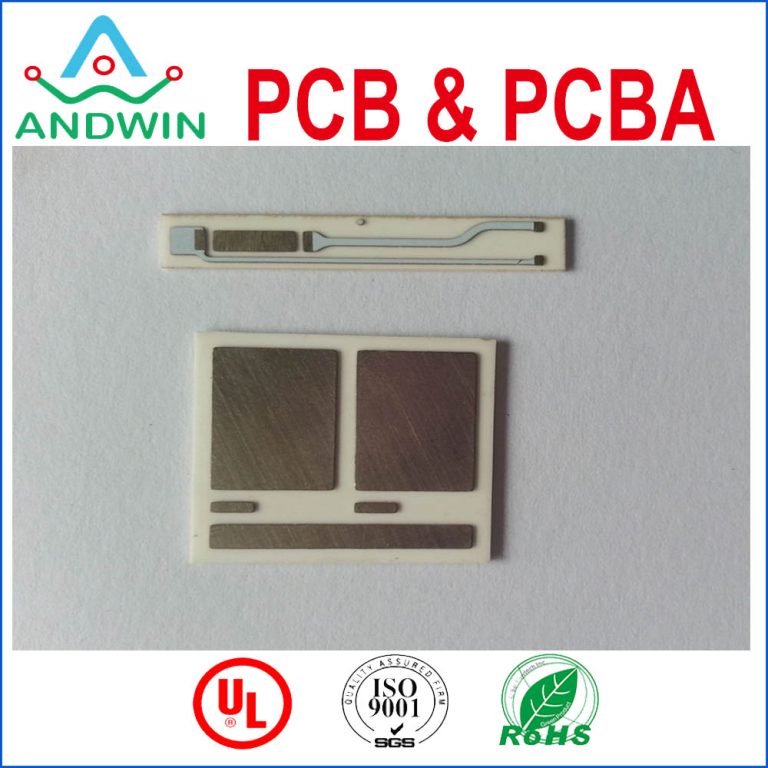
    We are excited to introduce our latest product, Rogers ceramic PCB. This new addition to our product line is designed to meet the increasing demand for high-performance PCBs in various industries. Rogers ceramic PCBs are made from high-quality ceramic materials, which provide excellent thermal conductivity and stability. The ceramic material used in these PCBs has a low…

  • Aluminum pcb thickness

    Generally, the thickness of an aluminum PCB ranges from 0.5mm to 3.2mm. However, the most common thicknesses are 1.0mm, 1.5mm, and 2.0mm. The thickness of the aluminum core is usually between 0.5mm to 2.0mm, while the copper layer thickness can range from 0.5oz to 6oz. The thickness of the PCB is an important factor in determining the…

  • Solder aluminum to pcb

    Soldering aluminum to a PCB (Printed Circuit Board) can be challenging because aluminum has a high thermal conductivity and a thin oxide layer that makes it difficult for solder to adhere. However, it is possible to solder aluminum to a PCB using the following steps: GET IN TOUCH! 1. Clean the aluminum surface: Use a…

  • Cost Benefits to Rigid-Flex Printed Circuit Boards

    Similarity and Difference Between Rigid PCBs and Flex Circuits When designing rigid PCBs, certain design rules must be followed, including minimum hole sizes, minimum space and trace width, minimum distances to board edges, and copper and overall design thicknesses. Additionally, many manufacturing process steps are shared between rigid and flexible PCBs. Such process steps include…

  • What is Rigid Flex PCB?

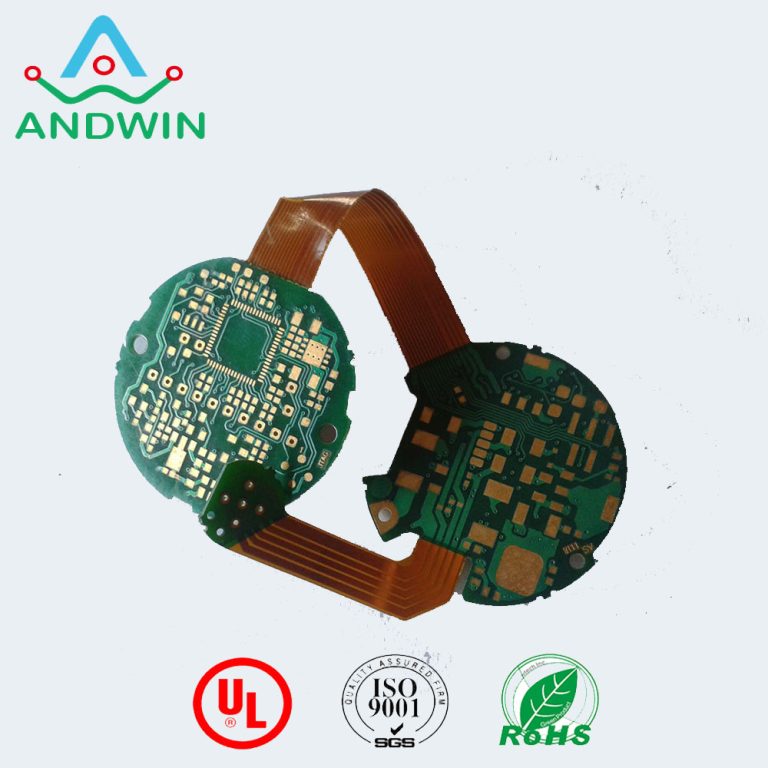
    Rigid flex printed circuit boards (PCBs) provide designers with one of the more unique packaging methods for electronic designs. Combiningthe component and routing density of hardboards with the flexibility of flexible circuits, rigid flex PCBs allow designers to achieve routingdensity and interconnectivity that is not available in other types of circuit boards. Primarily used in…

  • Ceramic VS PCB Antenna

    I am writing to you today to discuss the differences between ceramic and PCB antennas. As you may know, antennas are an essential component of any wireless communication system, and choosing the right type of antenna can have a significant impact on the performance of the system. Ceramic antennas have been around for many years and are…

  • Aluminium pcb scrap

    There are several ways to deal with aluminum PCB waste: 1. Recycling: The most effective way to deal with aluminum PCB waste is to recycle it. Recycling can help recover valuable metals like copper, gold, and silver, which can be reused in the manufacturing of new electronic devices. Recycling also reduces the amount of waste sent to landfills, which…

  • Aluminium pcb spacer

    It is made of aluminium, which is a lightweight and durable material that can withstand high temperatures and is resistant to corrosion. The spacer is designed to keep the PCB in place and prevent it from moving or vibrating during operation, which can cause damage to the circuit and affect its performance. Aluminium PCB spacers…

  • Aluminium pcb soldering

    Soldering on an aluminium PCB requires a bit of extra care and attention compared to traditional FR4 PCBs. Here are some tips to help you successfully solder on an aluminium PCB: 1. Use a higher temperature soldering iron: Aluminium has a higher thermal conductivity than FR4, which means it can dissipate heat faster. To compensate…