Additive PCB Techniques Reshaping Modern Electronics Manufacturing
“Additive PCB methods revolutionize electronics manufacturing with efficient, precise circuit creation, enabling sustainable production and innovative designs.”

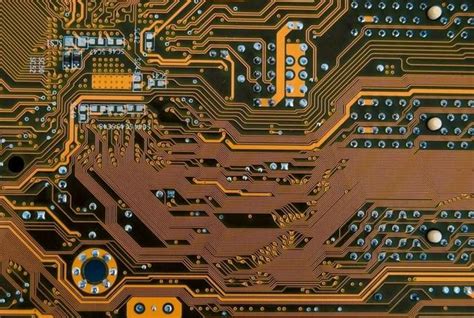
“Additive PCB methods revolutionize electronics manufacturing with efficient, precise circuit creation, enabling sustainable production and innovative designs.”
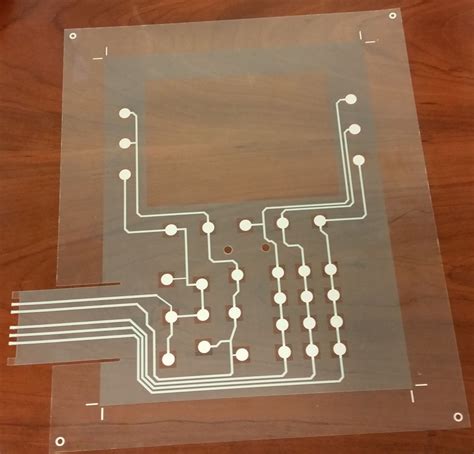
Introduction Printed Circuit Boards (PCBs) are the backbone of modern electronics, serving as the foundation upon which electronic components are mounted and interconnected. As technology continues to evolve, the demand for more sophisticated, reliable, and high-performance PCBs has grown exponentially. Advanced Circuits, a leading PCB manufacturer, has been at the forefront of this evolution, providing…
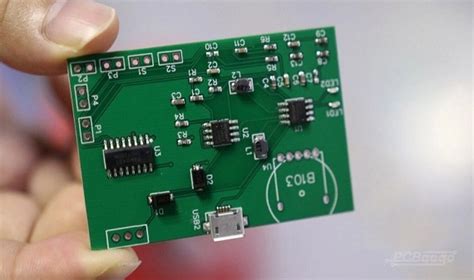
Introduction Printed Circuit Boards (PCBs) are the backbone of modern electronics, serving as the platform for mounting and interconnecting electronic components. The reliability and performance of PCBs are critical to the functionality of electronic devices, ranging from consumer electronics to industrial machinery and aerospace systems. One of the key materials that contribute to the structural…
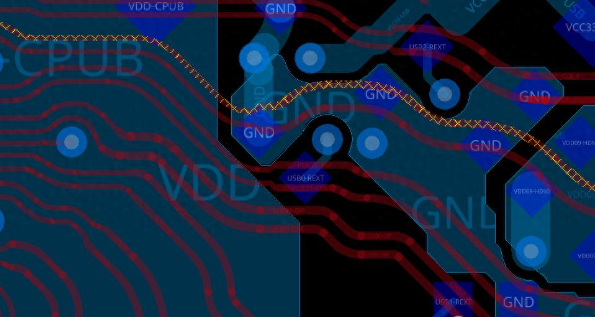
Introduction Surface Mount Device (SMD) PCB assembly is a critical process in the electronics manufacturing industry. It involves the placement and soldering of surface mount components onto a printed circuit board (PCB). This method has largely replaced through-hole technology due to its ability to produce smaller, lighter, and more efficient electronic devices. This article will…
Introduction In the ever-evolving world of electronics, the demand for smaller, faster, and more efficient devices has driven the need for advanced printed circuit board (PCB) technologies. High-Density Interconnect (HDI) PCBs have emerged as a critical enabler of this trend, offering superior performance, reduced size, and enhanced functionality compared to traditional PCBs. HDI PCB prototyping…
Abstract Printed Circuit Boards (PCBs) are the backbone of modern electronics, serving as the foundation for interconnecting electronic components in devices ranging from smartphones to industrial machinery. As the demand for smaller, faster, and more complex electronic systems grows, ensuring the reliability of PCBs has become a critical concern. This article explores the factors affecting…
Introduction In the fast-paced world of electronics manufacturing, time is of the essence. The ability to quickly design, prototype, and produce printed circuit boards (PCBs) is crucial for companies looking to stay competitive in an ever-evolving market. Rapid PCB assembly has emerged as a game-changing solution, enabling manufacturers to significantly reduce production timelines while maintaining…
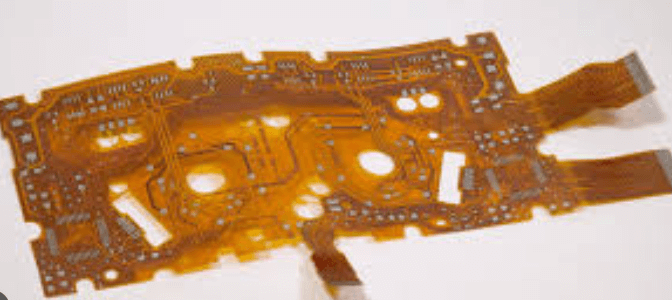
Flexible Printed Circuit Boards (Flex PCBs) have become an integral part of modern electronics, offering unique advantages in terms of flexibility, weight reduction, and space-saving design. One of the critical factors that influence the performance and application of Flex PCBs is their thickness. The thickness of a Flex PCB not only affects its mechanical properties…
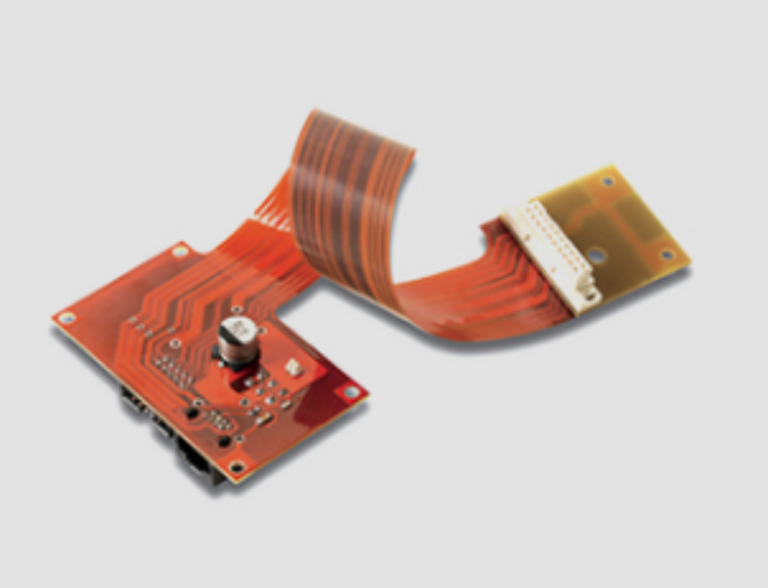
Introduction Printed Circuit Boards (PCBs) are the foundation of virtually all modern electronic devices. From smartphones and computers to medical equipment and automotive systems, PCBs play a critical role in enabling the functionality of these devices. A populated PCB, also known as an assembled PCB, refers to a PCB that has been fully equipped with…
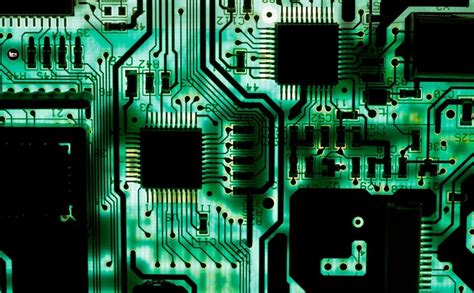
Introduction The world of electronics has undergone a significant transformation over the past few decades, with the advent of new technologies that have revolutionized the way we design, prototype, and manufacture electronic devices. One of the most groundbreaking innovations in recent years is the development of PCB (Printed Circuit Board) 3D printers. These devices have…
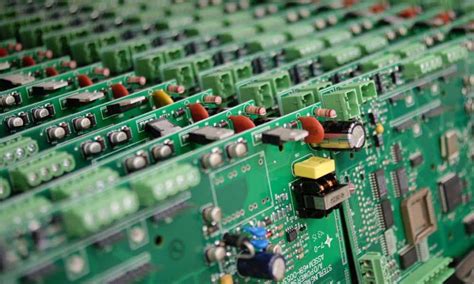
Introduction Printed Circuit Boards (PCBs) are the backbone of modern electronics, serving as the foundation for virtually all electronic devices. As technology advances, the demand for more complex and compact electronic systems has led to the development of multilayer PCBs. Unlike single or double-layer PCBs, multilayer PCBs consist of three or more conductive layers, separated…
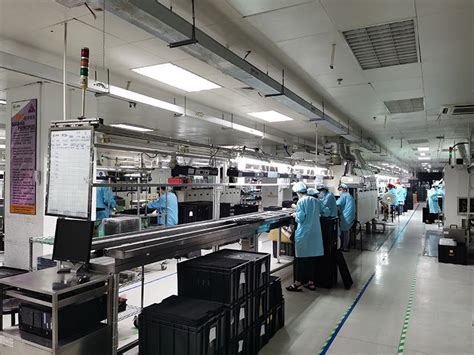
Introduction Printed Circuit Board (PCB) assembly is a critical process in the manufacturing of electronic devices. It involves the placement and soldering of electronic components onto a PCB to create a functional circuit. The efficiency, accuracy, and reliability of PCB assembly are heavily dependent on the equipment used. This article provides a detailed overview of…
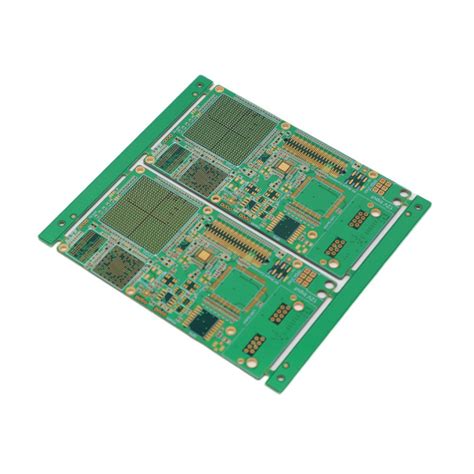
Introduction In the fast-paced world of electronics manufacturing, time is of the essence. Companies are constantly under pressure to bring new products to market faster, while maintaining high standards of quality and reliability. This is where Quick Turn PCB (Printed Circuit Board) Assembly comes into play. Quick Turn PCB Assembly refers to the rapid prototyping…
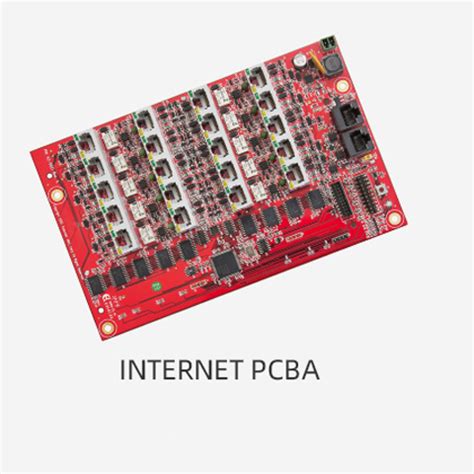
Introduction In the ever-evolving world of electronics, the demand for smaller, faster, and more efficient devices has driven the development of advanced printed circuit board (PCB) technologies. Among these, High-Density Interconnect (HDI) PCBs have emerged as a cornerstone in the design and manufacture of modern electronic devices. HDI PCBs are characterized by their high wiring…
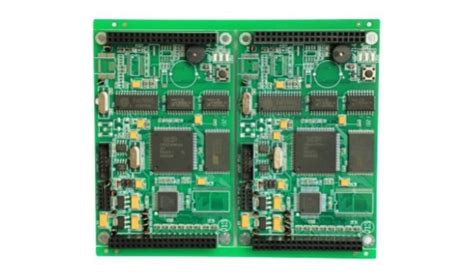
Introduction Printed Circuit Boards (PCBs) are the backbone of modern electronics. They are used in virtually every electronic device, from smartphones and computers to industrial machinery and medical equipment. As the demand for more complex and specialized electronic devices grows, so does the need for custom PCBs. Custom PCB manufacturers play a crucial role in…