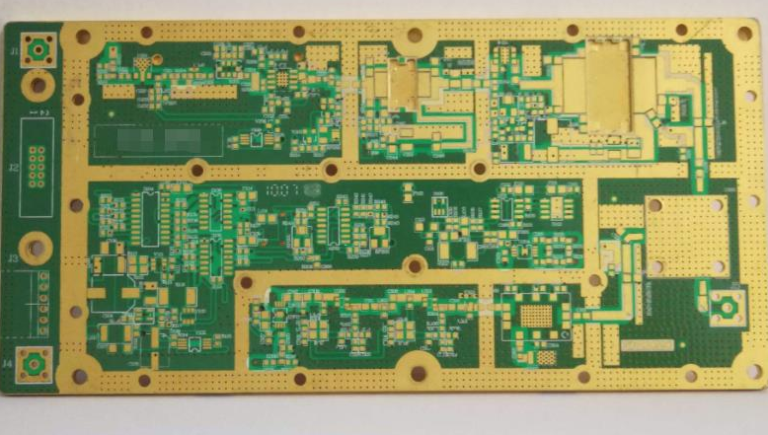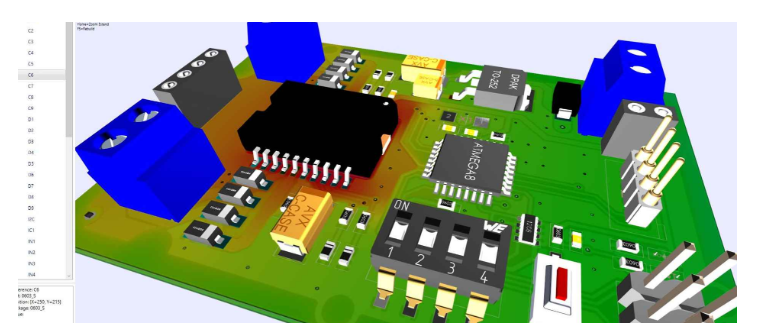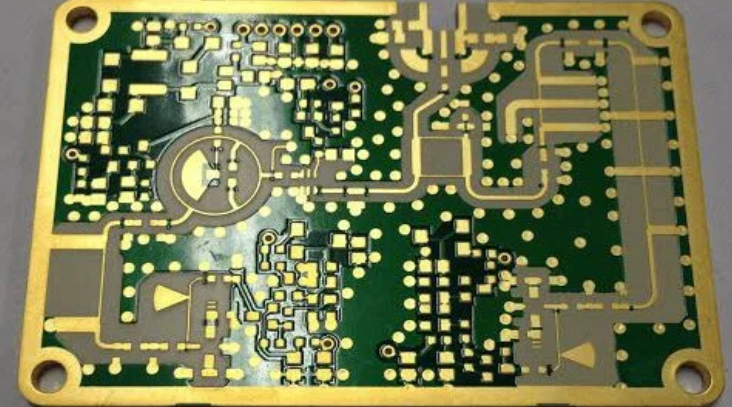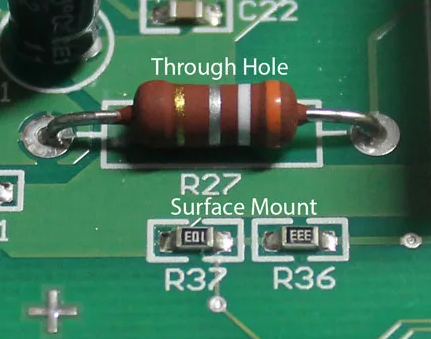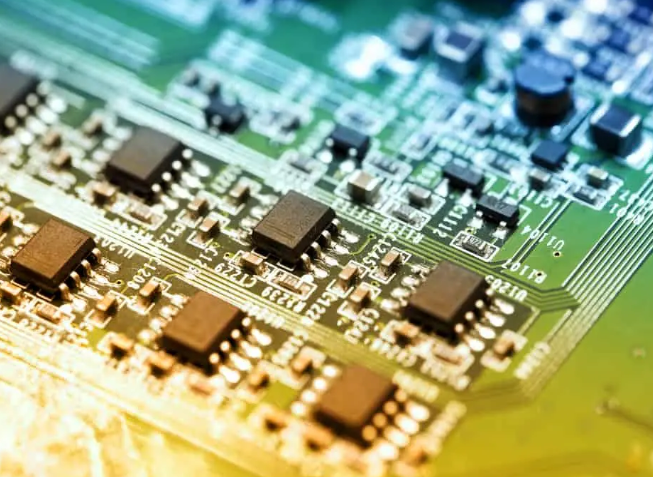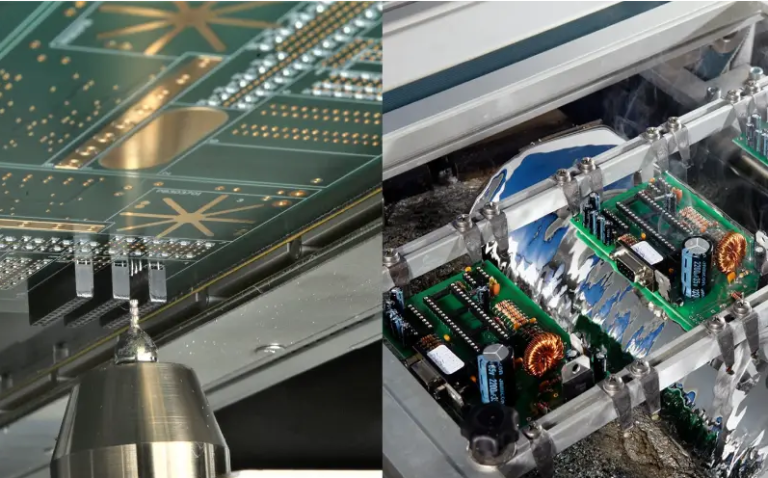
Basic points for PCB component welding
Before welding: During welding: After welding: Soldering specifications for mounted components:

Before welding: During welding: After welding: Soldering specifications for mounted components:

Introduction Thermal management is a critical aspect of modern electronic design, particularly as devices become more compact and power-dense. Printed Circuit Boards (PCBs) serve as the backbone of electronic systems, providing mechanical support and electrical connectivity. However, the choice of PCB material significantly influences heat dissipation, which in turn affects device reliability, performance, and longevity….

Preface: The automotive electronics market is the third largest application area of PCBs after computers and communications. As automobiles gradually evolve and develop from traditional mechanical products to intelligent, information-based, and mechatronic high-tech products, electronic technology has been widely used in automobiles. Whether it is the engine system, chassis system, safety system, information system, or…

In basic PCB design, it is easy to ignore the most familiar and simplest places, which leads to errors. This may cause problems or completely break down the perfect PCB circuit diagram when it is converted into a PCB board. Therefore, in order to assist engineers in reducing design changes and improving work efficiency in…

Abstract This comprehensive article explores the critical role of serpentine traces in modern printed circuit board (PCB) design and provides detailed guidance on their implementation. Covering signal integrity considerations, timing compensation techniques, and practical design methodologies, this paper serves as a technical reference for PCB designers working with high-speed digital systems. The discussion includes the…

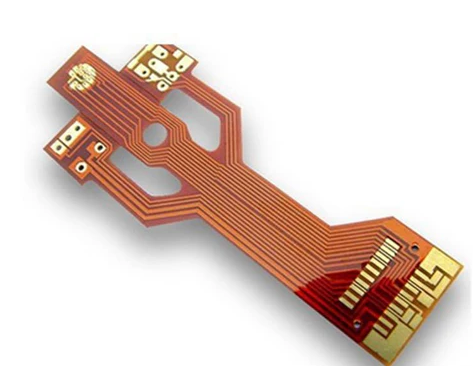
Flexible PCBs have introduced a range of clear printed circuits that are not subject to complex networks. It uses the same components that you use to assemble rigid circuits, so you can now easily handle new systems. With flexible circuits, you can get customized shapes, so you can use it the way you want as…

Introduction to PCB Trace Routing Printed Circuit Board (PCB) trace routing is a fundamental aspect of electronic design that significantly impacts the performance, reliability, and manufacturability of electronic devices. Proper routing ensures signal integrity, minimizes electromagnetic interference (EMI), and maintains power distribution quality. However, designers often face numerous challenges when routing traces on PCBs, especially…

Abstract Printed Circuit Board (PCB) design and manufacturing rely heavily on visual inspection and computer-aided design tools. The highlight display function in PCB design software serves as a critical visual aid for designers to identify specific components, nets, or areas of interest. However, various issues related to PCB highlight display can significantly impact design efficiency…

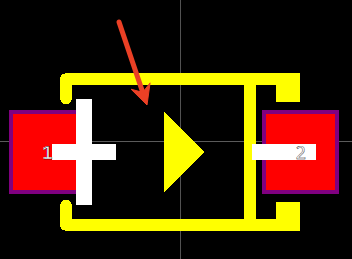
In the field of PCB (printed circuit board) design, silk screen, as a key element on the surface of the circuit board, plays an important role. It provides engineers, production personnel and subsequent maintenance personnel with important information such as component number, location, installation direction, etc., and is the core element to ensure the readability…

1. Introduction Printed Circuit Boards (PCBs) are the backbone of modern electronics, enabling the interconnection of components in devices ranging from smartphones to aerospace systems. As signal frequencies increase and devices become more compact, maintaining signal integrity is critical. One of the most crucial aspects of signal integrity is impedance control, which ensures that signals…

I.PCB surface treatment: After drilling, there will be residual copper foil burrs attached to the surface of the through hole on the PCB surface. At this time, the surface of the board will feel rough when touched by hand. These burrs will affect the quality of electroplating, so they must be removed. The steps for…

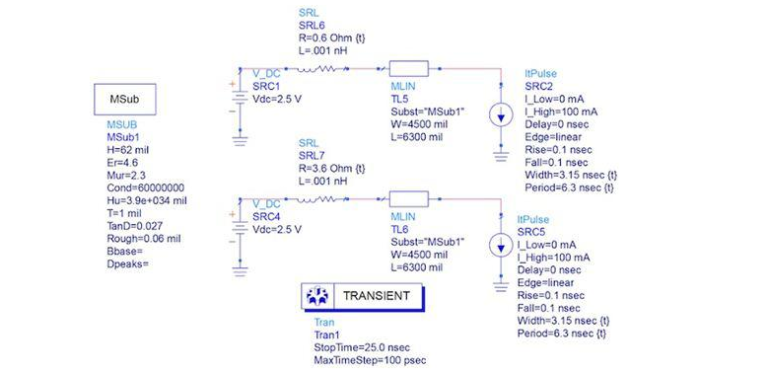
Basic design rules for power distribution networks (PDNs) tell us that the best performance comes from a consistent, frequency-independent (or flat) impedance profile. This is one reason why power supply stability is important, because a poorly stable source will result in impedance peaks that degrade the flat impedance profile and the performance of the powered…

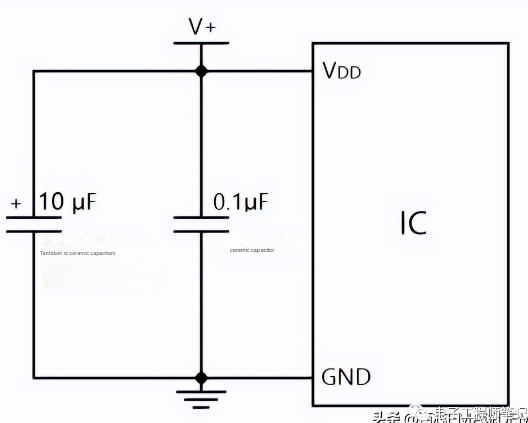
Today I will share with you: decoupling capacitor, decoupling capacitor PCB design and layout. 1.Decoupling capacitor Decoupling capacitor is used to filter out the interference of output signal. It is usually used in amplifier circuits that do not require AC power to eliminate self-excitation and make the amplifier work at a low temperature. In a…

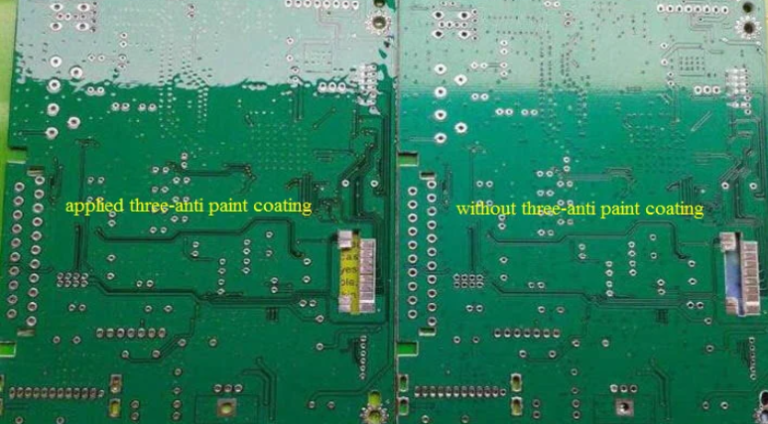
PCB circuit boards are used in electronics, medical, smart home, automobile and other industries. According to the different use environments of circuit boards, in order to extend the service life of circuit boards and protect the reliable performance of circuit boards, some protective treatments are usually done, such as coating PCB circuit boards with anti-paint….

Solder is used in the manufacturing process of almost all electronic devices to connect electronic components to PCBs. In the past, lead-free solder was usually used, but nowadays, the most popular one should be lead-free solder. Here is an introduction: Crosstalk in PCB design and how to reduce crosstalk in PCB design. 1.What does crosstalk…