
Embedded Copper Coin PCB: Revolutionizing Thermal Management in Modern Electronics
Introduction
The rapid advancement of electronic devices has led to increased power densities and thermal challenges in printed circuit board (PCB) design. As components become smaller and more powerful, managing heat dissipation has become a critical aspect of ensuring reliability and performance. One innovative solution to this problem is the use of embedded copper coin technology in PCBs. This article explores the concept of embedded copper coin PCBs, their design, manufacturing process, advantages, applications, and future prospects.
1. What is an Embedded Copper Coin PCB?
An embedded copper coin PCB is a specialized type of circuit board that incorporates solid copper blocks (referred to as “coins”) into the PCB structure. These copper coins are strategically placed beneath high-power components, such as power transistors, voltage regulators, or LEDs, to enhance thermal conductivity and heat dissipation. Unlike traditional thermal vias or heat sinks, embedded copper coins provide a direct and efficient path for heat transfer from the component to the PCB’s outer layers or external cooling systems.
The copper coin is typically a thick, solid piece of copper that is embedded into the PCB during the manufacturing process. It is designed to replace or supplement traditional thermal management techniques, offering superior thermal performance in a compact form factor.
2. Design and Manufacturing Process
The design and manufacturing of embedded copper coin PCBs require careful planning and precision. Below is an overview of the key steps involved:
2.1 Design Considerations
- Component Placement: High-power components are identified, and their locations are optimized to align with the embedded copper coins.
- Thermal Analysis: Thermal simulations are conducted to determine the optimal size, shape, and placement of the copper coins.
- Layer Stackup: The PCB stackup is designed to accommodate the copper coins, ensuring proper integration with the circuit layers.
2.2 Manufacturing Process
- Coin Fabrication: The copper coins are machined or stamped to the required dimensions and surface finish.
- PCB Preparation: The PCB core is prepared, and cavities are created in the substrate to house the copper coins.
- Embedding the Coins: The copper coins are inserted into the cavities and secured using adhesive or soldering techniques.
- Lamination: The PCB layers are laminated together, encapsulating the copper coins within the board structure.
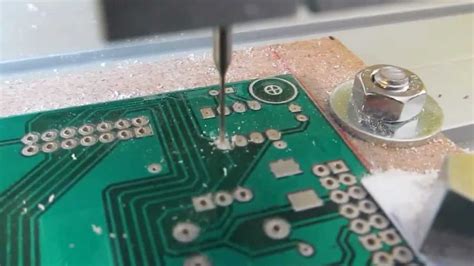
- Drilling and Plating: Vias and through-holes are drilled, and the PCB is plated to establish electrical connections.
- Surface Finish: The final surface finish is applied to protect the PCB and ensure solderability.
3. Advantages of Embedded Copper Coin PCBs
Embedded copper coin technology offers several advantages over traditional thermal management methods:
3.1 Enhanced Thermal Performance
Copper has excellent thermal conductivity, making it an ideal material for heat dissipation. By embedding copper coins directly beneath high-power components, heat is efficiently transferred away from the source, reducing the risk of overheating and improving component reliability.
3.2 Space Savings
Traditional heat sinks and thermal vias can occupy significant space on the PCB. Embedded copper coins, on the other hand, are integrated into the board, freeing up surface area for additional components or routing.
3.3 Improved Mechanical Stability
The solid copper coins provide structural reinforcement to the PCB, reducing the risk of warping or damage during assembly or operation.
3.4 Simplified Assembly
Embedded copper coins eliminate the need for additional thermal interface materials (TIMs) or external heat sinks, simplifying the assembly process and reducing overall manufacturing costs.
3.5 Customizability
Copper coins can be tailored to meet specific thermal and mechanical requirements, making them suitable for a wide range of applications.
4. Applications of Embedded Copper Coin PCBs
Embedded copper coin technology is widely used in industries where thermal management is critical. Some notable applications include:
4.1 Power Electronics
High-power devices, such as inverters, converters, and motor drives, generate significant heat. Embedded copper coins help dissipate this heat, ensuring reliable operation and extending the lifespan of the components.
4.2 LED Lighting
LEDs are sensitive to temperature variations, and excessive heat can reduce their efficiency and lifespan. Embedded copper coins provide effective thermal management in LED lighting systems, enabling higher brightness and longer operational life.
4.3 Automotive Electronics
Modern vehicles rely on advanced electronics for powertrain control, infotainment, and safety systems. Embedded copper coins help manage heat in these demanding environments, ensuring optimal performance and reliability.
4.4 Telecommunications
Telecommunication equipment, such as base stations and routers, often operate at high power levels. Embedded copper coins help maintain stable temperatures, preventing performance degradation and downtime.
4.5 Consumer Electronics
Devices like smartphones, laptops, and gaming consoles benefit from embedded copper coin technology, which enables compact designs and efficient heat dissipation.
5. Challenges and Limitations
While embedded copper coin PCBs offer numerous benefits, they also present certain challenges:
5.1 Cost
The addition of copper coins increases the material and manufacturing costs of the PCB. However, this is often offset by the improved performance and reliability.
5.2 Design Complexity
Integrating copper coins requires careful planning and advanced design tools, which may increase the complexity of the PCB development process.
5.3 Thermal Expansion
Copper and PCB materials have different coefficients of thermal expansion, which can lead to mechanical stress during temperature fluctuations. Proper design and material selection are essential to mitigate this issue.
5.4 Manufacturing Precision
The embedding process requires high precision to ensure proper alignment and bonding of the copper coins. Any defects can compromise the thermal performance and reliability of the PCB.
6. Future Trends and Innovations
As the demand for high-performance electronics continues to grow, embedded copper coin technology is expected to evolve in several ways:
6.1 Advanced Materials
Researchers are exploring new materials with even higher thermal conductivity than copper, such as graphene or diamond composites, to further enhance heat dissipation.
6.2 Miniaturization
As components become smaller, embedded copper coins will need to be miniaturized while maintaining their thermal performance.
6.3 Integration with Other Technologies
Embedded copper coins may be combined with other thermal management techniques, such as heat pipes or liquid cooling, to create hybrid solutions for extreme environments.
6.4 Automation in Manufacturing
Advances in automation and robotics will improve the precision and efficiency of the embedding process, reducing costs and lead times.
6.5 Sustainability
The use of recycled copper and eco-friendly manufacturing processes will become increasingly important as the industry moves toward more sustainable practices.
Conclusion
Embedded copper coin PCBs represent a significant advancement in thermal management for modern electronics. By integrating solid copper blocks into the PCB structure, this technology addresses the growing challenges of heat dissipation in high-power applications. With its numerous advantages, including enhanced thermal performance, space savings, and improved reliability, embedded copper coin technology is poised to play a crucial role in the future of electronic design and manufacturing. As the industry continues to innovate, we can expect even more sophisticated and efficient solutions to emerge, further pushing the boundaries of what is possible in electronics.
This article provides a comprehensive overview of embedded copper coin PCBs, highlighting their importance in addressing thermal challenges and enabling the development of next-generation electronic devices.