
High-Temperature PCBs: Materials, Applications, and Design Considerations
1. Introduction
Printed Circuit Boards (PCBs) are fundamental components in modern electronics, providing mechanical support and electrical connections for electronic components. While standard PCBs operate effectively at room temperature, certain applications require PCBs that can withstand extreme heat. High-temperature PCBs are designed to endure elevated temperatures without degradation in performance, making them essential in industries such as aerospace, automotive, industrial machinery, and oil and gas exploration.
This article explores the materials, manufacturing processes, applications, and design considerations for high-temperature PCBs, providing insights into their importance in demanding environments.
2. Materials for High-Temperature PCBs
The performance of a PCB under high temperatures largely depends on the materials used in its construction. Key materials include:
2.1 Substrate Materials
The substrate (base material) must have excellent thermal stability. Common high-temperature substrate materials include:
- Polyimide: Known for its excellent thermal resistance (up to 260°C continuously and 400°C intermittently), polyimide is widely used in aerospace and military applications. It also offers good chemical resistance and flexibility.
- PTFE (Teflon): Used in high-frequency applications, PTFE can withstand temperatures up to 240°C and has low dielectric loss.
- Ceramic-based substrates: Aluminum oxide (Al₂O₃) and aluminum nitride (AlN) are used in extreme environments due to their high thermal conductivity and stability at temperatures exceeding 300°C.
- FR-4 HT (High-Tg): Modified epoxy resins with a high glass transition temperature (Tg > 170°C) provide better thermal performance than standard FR-4.
2.2 Conductive Materials
Copper is the most common conductor, but its oxidation rate increases at high temperatures. To mitigate this, high-temperature PCBs may use:
- Thick copper layers (2 oz/ft² or more) to handle high current and heat dissipation.
- Gold or silver plating to prevent oxidation.
2.3 Solder Mask and Adhesives
Standard solder masks degrade at high temperatures, so specialized high-Tg solder masks (e.g., polyimide-based) are used. Similarly, high-temperature adhesives ensure component stability.
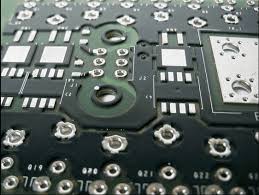
3. Manufacturing Processes for High-Temperature PCBs
Producing high-temperature PCBs requires specialized techniques to ensure reliability:
3.1 Lamination and Curing
High-temperature laminates require precise curing processes to prevent delamination. Controlled pressure and temperature cycles are essential.
3.2 Drilling and Plating
Laser drilling may be used for precise via formation, while electroless copper plating ensures strong interlayer connections.
3.3 Surface Finishes
To prevent oxidation, high-temperature surface finishes such as:
- ENIG (Electroless Nickel Immersion Gold)
- OSP (Organic Solderability Preservatives) with high thermal resistance
are preferred over standard HASL (Hot Air Solder Leveling).
4. Applications of High-Temperature PCBs
High-temperature PCBs are critical in industries where extreme heat is a constant challenge:
4.1 Aerospace and Defense
- Avionics systems, engine control units, and satellite electronics must endure rapid temperature fluctuations and high thermal stress.
4.2 Automotive
- Electric vehicle (EV) power electronics, engine control modules (ECMs), and LED lighting systems generate significant heat.
4.3 Oil and Gas Exploration
- Downhole drilling equipment operates in extreme geothermal conditions (up to 200°C or more).
4.4 Industrial Machinery
- High-power motor drives, welding equipment, and furnace control systems require robust PCBs.
4.5 Medical Electronics
- Autoclave sterilization and surgical tools demand heat-resistant circuitry.
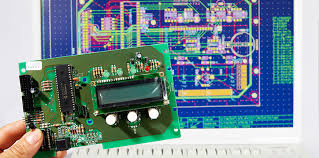
5. Design Considerations for High-Temperature PCBs
Designing PCBs for high-temperature operation involves several critical factors:
5.1 Thermal Management
- Heat sinks and thermal vias help dissipate heat efficiently.
- Wide copper traces reduce resistance and heat buildup.
5.2 Component Selection
- Use high-temperature-rated components (e.g., ceramic capacitors, high-Tg ICs).
- Avoid plastic-packaged components that may melt or degrade.
5.3 CTE (Coefficient of Thermal Expansion) Matching
- Mismatched CTE between layers can cause warping or cracking. Materials with similar CTE values should be selected.
5.4 Testing and Reliability
- Thermal cycling tests (IEC 60068) ensure long-term reliability.
- High-temperature burn-in testing identifies early failures.
6. Challenges and Future Trends
6.1 Challenges
- Material costs: Polyimide and ceramic substrates are more expensive than standard FR-4.
- Manufacturing complexity: High-temperature PCBs require specialized processes.
6.2 Future Trends
- Advanced ceramic PCBs for ultra-high-temperature applications.
- Embedded cooling technologies (e.g., microfluidic cooling).
- Additive manufacturing (3D printing) for custom high-temperature circuits.
7. Conclusion
High-temperature PCBs play a crucial role in modern electronics, enabling reliable operation in extreme environments. By selecting appropriate materials, optimizing manufacturing processes, and implementing robust design strategies, engineers can develop PCBs that withstand intense heat while maintaining performance. As technology advances, new materials and cooling techniques will further enhance the capabilities of high-temperature electronics, expanding their applications in emerging industries.