
How to Properly Maintain PCB Etching Equipment
Introduction
Printed Circuit Board (PCB) etching is a critical process in electronics manufacturing, where unwanted copper is removed from the board to create conductive pathways. Proper maintenance of PCB etching equipment ensures consistent quality, prolongs machine lifespan, and reduces production downtime. This article provides a comprehensive guide on maintaining PCB etching equipment, covering cleaning procedures, chemical management, mechanical inspections, and preventive measures.
1. Understanding PCB Etching Equipment
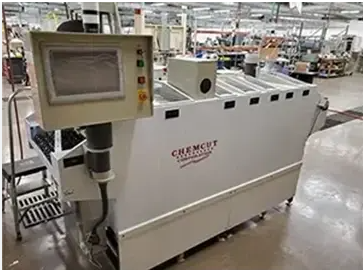
Before discussing maintenance, it is essential to understand the key components of PCB etching equipment:
- Etching Chamber/Tank: Holds the etching solution (e.g., ferric chloride, ammonium persulfate, or cupric chloride).
- Spray Nozzles: Distribute the etchant evenly across the PCB surface.
- Conveyor System: Moves PCBs through the etching process.
- Filtration System: Removes copper sludge and contaminants.
- Heating & Circulation System: Maintains optimal etchant temperature and flow.
- Exhaust & Neutralization System: Manages chemical fumes and waste.
Proper maintenance of these components ensures efficient and safe operation.
2. Daily Maintenance Procedures
2.1 Cleaning the Etching Chamber
- After each shift, rinse the etching chamber with deionized (DI) water to remove residual chemicals.
- Inspect for sludge buildup and clean using appropriate tools (non-abrasive brushes).
- Check for leaks or corrosion in the tank lining.
2.2 Nozzle Inspection & Cleaning
- Clogged nozzles lead to uneven etching. Clean them using a high-pressure DI water rinse or ultrasonic cleaning.
- Replace damaged or worn-out nozzles to maintain consistent spray patterns.
2.3 Conveyor System Maintenance
- Wipe down conveyor belts to prevent chemical residue buildup.
- Lubricate moving parts (bearings, rollers) as per the manufacturer’s guidelines.
- Ensure proper alignment to prevent PCB misalignment during etching.
2.4 Chemical Management
- Monitor etchant concentration using a hydrometer or titration.
- Replenish etchant as needed to maintain optimal strength.
- Remove excess copper sludge to prevent clogging and uneven etching.
3. Weekly & Monthly Maintenance
3.1 Filtration System Check
- Replace or clean filters to prevent clogging.
- Inspect pump performance and ensure proper flow rates.
3.2 Heating & Circulation System Inspection
- Check heating elements for corrosion or malfunction.
- Verify that temperature sensors are calibrated correctly.
- Inspect circulation pumps for wear and tear.
3.3 Exhaust & Neutralization System
- Clean exhaust ducts to prevent chemical vapor buildup.
- Test neutralization tanks to ensure proper pH levels before disposal.
3.4 Mechanical & Electrical Inspection
- Tighten loose bolts and connections.
- Inspect wiring for corrosion or damage.
- Test emergency stop functions and safety interlocks.
4. Preventive Maintenance Strategies
4.1 Scheduled Downtime for Deep Cleaning
- Plan periodic shutdowns (quarterly or bi-annually) for thorough equipment inspection.
- Disassemble critical components (nozzles, pumps) for deep cleaning and replacement of worn parts.
4.2 Lubrication & Wear-Part Replacement
- Follow the manufacturer’s lubrication schedule for motors, bearings, and gears.
- Replace wear-prone components (seals, gaskets, belts) before they fail.
4.3 Software & Calibration Updates
- Update machine firmware if applicable.
- Recalibrate sensors (temperature, flow rate) to ensure accuracy.
4.4 Operator Training & Best Practices
- Train operators on proper handling of etching chemicals.
- Enforce strict cleaning protocols to avoid cross-contamination.
- Encourage reporting of minor issues before they escalate.
5. Troubleshooting Common Issues
| Problem | Possible Cause | Solution |
|---|---|---|
| Uneven Etching | Clogged nozzles, low etchant flow | Clean nozzles, check pump & filters |
| Over-Etching | High temperature, prolonged exposure | Adjust conveyor speed, recalibrate heater |
| Under-Etching | Weak etchant, low temperature | Replenish etchant, check heating system |
| Machine Stoppage | Conveyor jam, electrical fault | Inspect belts, check circuit breakers |
| Chemical Leaks | Damaged seals, loose fittings | Replace gaskets, tighten connections |
6. Safety Considerations
- Personal Protective Equipment (PPE): Always wear gloves, goggles, and aprons when handling etchants.
- Ventilation: Ensure proper exhaust systems are operational to avoid inhaling toxic fumes.
- Chemical Disposal: Follow environmental regulations for neutralizing and disposing of spent etchant.
- Emergency Protocols: Keep spill kits and eyewash stations accessible.
7. Conclusion
Proper maintenance of PCB etching equipment is crucial for high-quality PCB production, operational efficiency, and workplace safety. By following daily, weekly, and preventive maintenance routines, manufacturers can minimize downtime, extend equipment lifespan, and ensure consistent etching performance. Implementing structured maintenance logs and training programs further enhances reliability and productivity in PCB fabrication.
By adhering to these best practices, electronics manufacturers can optimize their etching processes, reduce waste, and maintain a competitive edge in the industry.