
Innovations in Surface Mount Technology for Enhanced Electronics
Key Takeaways
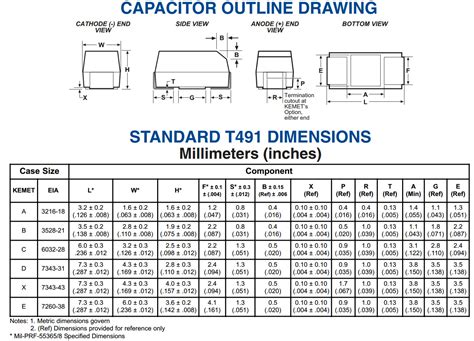
The evolution of Surface Mount Technology (SMT) has fundamentally transformed the landscape of electronic design and manufacturing. Central to this transformation is the integration of pcb assembly techniques that facilitate a higher density of components on printed circuit boards (PCBs) while ensuring optimal performance. Innovations in SMT have led to significant improvements in the efficiency of assembly processes, where automation plays a crucial role in minimizing errors and enhancing production speed. Furthermore, the trend towards miniaturization has allowed manufacturers to create more compact and lightweight devices, meeting consumer demands for portability without compromising functionality. Advanced SMT techniques are also improving the reliability of electronic devices, as they enable better thermal management and reduced susceptibility to mechanical stresses. As we look towards the future, these advancements signify not only a shift in manufacturing paradigms but also an exciting opportunity for ongoing innovation within the pcba sector, driving forward modern electronics to new heights while tackling the challenges that arise along the way.

Miniaturization Trends in Electronic Components
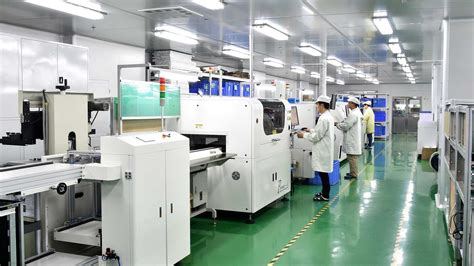
The modern landscape of electronics is increasingly characterized by miniaturization, a trend that has significantly transformed the design and functionality of electronic components. One of the driving forces behind this trend is Surface Mount Technology (SMT), which has enabled engineers to create smaller, more efficient parts. This advancement directly influences practices like PCB assembly (commonly known as PCBA), where space-saving designs are essential for creating compact devices without sacrificing performance. The integration of components onto a smaller board not only conserves physical space but also reduces the overall weight of electronic devices, making them more portable and user-friendly. Furthermore, as devices shrink in size, manufacturers are able to incorporate additional features and enhanced capabilities, leading to a continuous cycle of innovation within the industry. The synergy between miniaturization and SMT allows for intricate circuit designs that optimize functionality while confronting challenges such as heat dissipation and signal integrity. Thus, as we move forward, it is evident that the trends in miniaturization will remain pivotal in shaping the future of electronics, driven by advancements in surface mount techniques that consistently improve reliability and efficiency across various applications.
Enhancing Reliability Through Advanced SMT Techniques
In the rapidly evolving world of electronics, ensuring the reliability of devices is paramount, and Surface Mount Technology (SMT) plays a crucial role in achieving this goal. Advanced SMT techniques introduce practices such as improved pcb assembly processes and enhanced material selections that minimize defects and maximize performance. By leveraging automated inspection systems and sophisticated soldering methods, manufacturers can significantly reduce the likelihood of failures in assembled boards. These innovations not only optimize the pcba process but also contribute to a higher level of robustness in electronic components.
Furthermore, incorporating thermal management strategies within SMT designs has proven effective in extending product lifespans. Reliable heat dissipation methods reduce thermal stress on components, which is critical in high-performance applications where overheating can lead to catastrophic failures. As industry players continue to embrace these advanced techniques, the reliability of electronic devices will only improve, fostering greater consumer confidence and driving further technological advancements in the field. The ongoing pursuit of excellence in reliability through advanced SMT methodologies showcases the industry’s commitment to quality and innovation in electronic component design and assembly.
Future Prospects: The Next Generation of Surface Mount Technology
As the demand for smaller, faster, and more efficient electronic devices continues to grow, Surface Mount Technology (SMT) is poised for significant advancements that will reshape the industry. The next generation of SMT is being driven by developments in pcb assembly processes and materials, enabling an even greater degree of miniaturization while maintaining or even enhancing performance. One promising area is the integration of advanced automation and machine learning technologies into pcba production lines. These innovations facilitate faster assembly times, reduced error rates, and improved quality control. Additionally, the relationship between SMT and advanced materials science is evolving; manufacturers are exploring new soldering techniques and substrates that can withstand higher temperatures and offer greater electrical reliability. This evolution not only optimizes the efficiency of electronic components but also enhances their durability in challenging environments. As technology progresses, we can anticipate a future where SMT becomes integral in developing smart devices equipped with IoT capabilities, further expanding its impact on consumer electronics and other industries. The convergence of these trends promises to deliver a robust platform for innovation while addressing today’s challenging market demands.
The Impact of SMT on Consumer Electronics: A Case Study
The adoption of Surface Mount Technology (SMT) has transformed the landscape of consumer electronics, providing significant advancements in the design and manufacturing of circuit boards. A key case study that exemplifies this evolution can be seen in the development and production of modern smartphones. Traditionally, pcb assembly methods required larger components that occupied substantial space on a circuit board, limiting design capabilities. However, with SMT, smaller and lighter components can be utilized without compromising performance, leading to enhanced product efficiency and sleek designs.
Furthermore, the reliability of electronic devices has greatly improved due to precision in pcba processes. This technology allows for tighter connections between components on the board, minimizing the potential for failures or malfunctions. For example, manufacturers have leveraged advanced machine techniques alongside SMT to streamline assembly processes while increasing production speeds—a crucial factor in today’s fast-paced tech market.
Additionally, innovations such as automated soldering and 3D modeling have greatly contributed to optimizing the pcb assembly process. With these advancements, companies can meet consumer demands for compact and reliable devices while ensuring quality standards remain high. Overall, the impact of SMT on consumer electronics is profound; it not only enhances design flexibility and efficiency but also sets a higher standard for reliability in electronic component manufacturing.

Challenges and Solutions in the Adoption of Surface Mount Technology
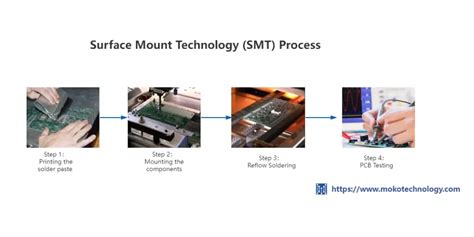
The adoption of Surface Mount Technology (SMT) in modern electronics presents various challenges that manufacturers must navigate to fully leverage its benefits. One of the most prominent issues is the complexity associated with pcb assembly processes. As pcba becomes increasingly thin and densely packed, ensuring the accuracy and precision of component placement is essential to avoid potential defects. Additionally, the thermal management of devices using SMT can be problematic, as increased miniaturization often leads to greater heat concentration. To combat these issues, manufacturers are turning to advanced automated assembly techniques and sophisticated software solutions that enhance precision during pcb assembly. Furthermore, utilizing enhanced soldering technologies, such as reflow soldering, can improve joint reliability and overall pcba quality. By addressing these challenges with innovative solutions, stakeholders can increase the efficiency and reliability of SMT applications, paving the way for future advancements in electronic design.
Conclusion
In summary, the evolution of Surface Mount Technology (SMT) has had a profound impact on the landscape of electronic design and manufacturing. The advancements in pcb assembly have underscored the importance of efficiency and miniaturization, leading to devices that are not only more powerful but also significantly smaller in size. Furthermore, integrating pcba processes has enhanced reliability through rigorous testing and quality assurance practices, which are essential for modern electronics that consumers rely on daily. The future of SMT holds exciting possibilities, such as the integration of smart technologies and improved materials that promise to further push the boundaries of what is possible in electronic devices. The continued innovation within this field will undoubtedly shape the next generation of consumer electronics, paving the way for more sophisticated, reliable, and compact solutions in various applications across industries. As we reflect on these advancements, it is essential to recognize how critical these technologies are for sustaining progress in an increasingly digital world.
FAQs
What is surface mount technology (SMT)?
Surface mount technology (SMT) is a method used for assembling electronic components onto the surface of printed circuit boards (PCBs). Unlike traditional through-hole techniques, SMT allows for smaller components to be mounted directly onto the board, facilitating better performance and design flexibility.
How does SMT improve the efficiency of PCB assembly?
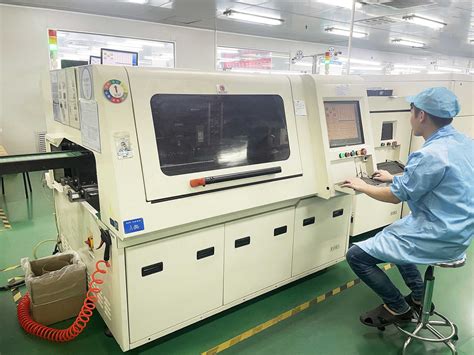
SMT enhances efficiency in pcb assembly by reducing the size of components and enabling faster production processes. This technology allows machines to automate placement, resulting in a significant decrease in assembly time compared to manual processes.
What advantages does SMT offer in terms of miniaturization?
One of the primary advantages of SMT is its ability to support miniaturization. Components designed for SMT are smaller and lighter, allowing more parts to fit on a single board without sacrificing performance. This trend has led to the development of compact devices that meet modern consumer demands.
Can you explain how advanced techniques contribute to reliability in PCBA?
Advanced techniques in pcba, such as improved soldering methods and proper thermal management, enhance the reliability of electronic products. These innovations ensure solid connections between components and the PCB, minimizing failures caused by thermal stress or mechanical strain.
What are some current trends impacting surface mount technology?
Current trends in surface mount technology include increased focus on sustainability through eco-friendly materials, automation in PCB assembly processes, and the integration of artificial intelligence for enhanced precision. These trends not only improve efficiency but also contribute positively to overall product quality.