
Introduction to Electronic Components and Printed Circuit Boards (PCBs)
Electronic components and printed circuit boards (PCBs) are the backbone of modern electronics. From smartphones and computers to industrial machinery and medical devices, PCBs and the components mounted on them enable the functionality of virtually every electronic device we use today. This article provides an in-depth exploration of electronic components, PCBs, their types, functions, and the role they play in the design and manufacturing of electronic systems.
1. Electronic Components: The Building Blocks of Electronics
Electronic components are discrete devices or elements that manipulate electrical signals to perform specific functions. They can be broadly categorized into two types: active components and passive components.
1.1 Active Components
Active components are devices that can amplify or control electrical signals. They require an external power source to operate and are essential for signal processing and power management. Common examples include:
- Transistors: Used for switching and amplification. Types include bipolar junction transistors (BJTs) and field-effect transistors (FETs).
- Integrated Circuits (ICs): Miniaturized circuits that contain thousands to millions of transistors, resistors, and capacitors. Examples include microprocessors, memory chips, and operational amplifiers.
- Diodes: Allow current to flow in one direction only. Specialized diodes like light-emitting diodes (LEDs) and Zener diodes have unique applications.
- Voltage Regulators: Maintain a constant voltage level in a circuit.
1.2 Passive Components
Passive components do not require an external power source and cannot amplify signals. They primarily store, dissipate, or filter energy. Examples include:
- Resistors: Limit current flow and divide voltages.
- Capacitors: Store and release electrical energy. They are used for filtering, coupling, and decoupling.
- Inductors: Store energy in a magnetic field and are used in filtering and tuning circuits.
- Transformers: Transfer electrical energy between circuits through electromagnetic induction.
1.3 Electromechanical Components
These components combine electrical and mechanical functionality. Examples include:
- Relays: Electrically operated switches.
- Connectors: Provide electrical connections between circuits.
- Switches: Control the flow of current in a circuit.
2. Printed Circuit Boards (PCBs): The Foundation of Electronic Systems
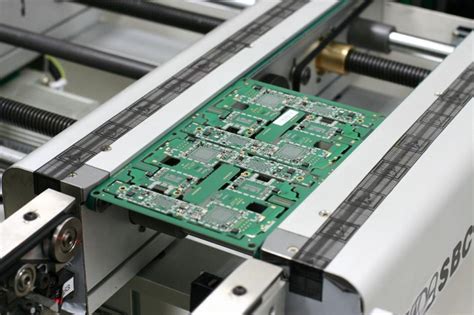
A printed circuit board (PCB) is a flat board made of insulating material (typically fiberglass) with conductive pathways etched or printed onto its surface. These pathways, known as traces, connect electronic components to form a functional circuit. PCBs provide mechanical support and electrical connectivity, making them indispensable in modern electronics.
2.1 Structure of a PCB
A typical PCB consists of the following layers:
- Substrate (Base Material): Usually made of fiberglass (FR-4), which provides mechanical strength and insulation.
- Copper Layer: Thin sheets of copper are laminated onto the substrate to create conductive traces.
- Solder Mask: A protective layer applied over the copper to prevent oxidation and short circuits.
- Silkscreen: Printed labels and symbols for component placement and identification.
2.2 Types of PCBs
PCBs can be classified based on their complexity and the number of layers:
- Single-Layer PCBs: Have conductive traces on one side only. Used in simple devices like calculators.
- Double-Layer PCBs: Have conductive traces on both sides, connected by vias (plated holes). Common in consumer electronics.
- Multi-Layer PCBs: Consist of three or more conductive layers, separated by insulating material. Used in complex devices like smartphones and computers.
- Flexible PCBs: Made from flexible materials like polyimide, allowing them to bend and fit into compact spaces.
- Rigid-Flex PCBs: Combine rigid and flexible sections, offering both durability and flexibility.
2.3 PCB Design Process
Designing a PCB involves several steps:
- Schematic Design: Creating a diagram that represents the electrical connections between components.
- Component Placement: Arranging components on the PCB layout to optimize performance and minimize interference.
- Routing: Drawing conductive traces to connect components according to the schematic.
- Design Verification: Checking for errors using design rule checks (DRC) and electrical rule checks (ERC).
- Manufacturing Files: Generating Gerber files, which contain the information needed for PCB fabrication.
3. The Role of Electronic Components and PCBs in Modern Electronics
Electronic components and PCBs are integral to the functionality of electronic systems. Here are some key applications:
3.1 Consumer Electronics
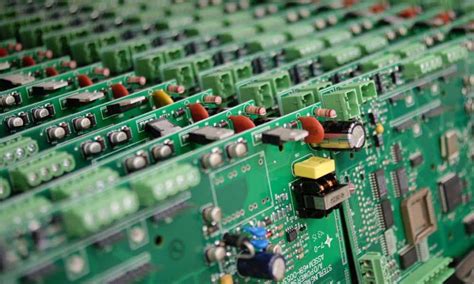
Devices like smartphones, laptops, and televisions rely on densely packed PCBs with advanced components to deliver high performance in compact form factors.
3.2 Industrial Automation
PCBs control machinery, sensors, and communication systems in industrial settings, enabling automation and efficiency.
3.3 Automotive Systems
Modern vehicles use PCBs for engine control units (ECUs), infotainment systems, and advanced driver-assistance systems (ADAS).
3.4 Medical Devices
PCBs are critical in medical equipment like MRI machines, pacemakers, and glucose monitors, where reliability and precision are paramount.
3.5 Aerospace and Defense
High-reliability PCBs are used in avionics, satellites, and military equipment, often requiring rugged designs to withstand extreme conditions.
4. Challenges and Innovations in PCB and Component Technology
As electronic devices become smaller, faster, and more powerful, the design and manufacturing of PCBs and components face several challenges:
4.1 Miniaturization
The demand for smaller devices drives the need for miniaturized components and high-density interconnect (HDI) PCBs. This requires advanced manufacturing techniques like laser drilling and microvia technology.
4.2 Thermal Management
High-power components generate heat, which can affect performance and reliability. Innovations like thermal vias, heat sinks, and advanced materials help dissipate heat effectively.
4.3 Signal Integrity
As signal speeds increase, maintaining signal integrity becomes critical. Techniques like impedance matching and controlled impedance routing are used to minimize signal loss and interference.
4.4 Environmental Concerns
The electronics industry is increasingly focused on sustainability. Lead-free soldering, recyclable materials, and energy-efficient designs are becoming standard practices.
4.5 Emerging Technologies
Advancements in materials and manufacturing are shaping the future of PCBs and components:
- Flexible and Stretchable Electronics: Enable new applications in wearable technology and biomedical devices.
- 3D Printing: Allows rapid prototyping and custom PCB designs.
- Embedded Components: Components are integrated directly into the PCB substrate, reducing size and improving performance.

5. Conclusion
Electronic components and printed circuit boards are the foundation of modern electronics, enabling the functionality of countless devices that shape our daily lives. From simple resistors to complex multi-layer PCBs, these technologies continue to evolve, driven by the demands for miniaturization, performance, and sustainability. As innovations in materials, design, and manufacturing emerge, the future of electronics promises even greater possibilities, paving the way for smarter, more efficient, and more interconnected systems.
Understanding the principles and applications of electronic components and PCBs is essential for engineers, designers, and anyone involved in the development of electronic systems. By mastering these fundamentals, we can continue to push the boundaries of technology and create solutions that address the challenges of tomorrow.