
Introduction to LED PCB Technology
Light Emitting Diodes (LEDs) have revolutionized the lighting industry with their energy efficiency, long lifespan, and versatility. At the heart of every LED lighting system lies the Printed Circuit Board (PCB), which serves as the foundation for mounting and connecting the LEDs. LED PCBs are specialized circuit boards designed to handle the unique requirements of LED components, including thermal management, electrical connectivity, and mechanical support. This article delves into the intricacies of LED PCB technology, exploring its design, materials, manufacturing processes, applications, and future trends.
1. The Role of PCBs in LED Lighting Systems
PCBs are essential components in LED lighting systems, providing a platform for electrical connections and mechanical stability. Unlike traditional lighting systems, LEDs require precise control of current and voltage to ensure optimal performance and longevity. The PCB acts as a bridge between the power source and the LED components, enabling efficient energy transfer and heat dissipation.
LED PCBs are designed to accommodate the specific needs of LEDs, such as:
- Thermal Management: LEDs generate heat during operation, and excessive heat can degrade their performance and lifespan. LED PCBs are engineered to dissipate heat effectively, often using materials with high thermal conductivity.
- Electrical Connectivity: PCBs provide the necessary electrical pathways to connect multiple LEDs in series or parallel configurations, ensuring uniform current distribution.
- Mechanical Support: The PCB holds the LEDs securely in place, protecting them from physical damage and vibrations.
2. Types of LED PCBs
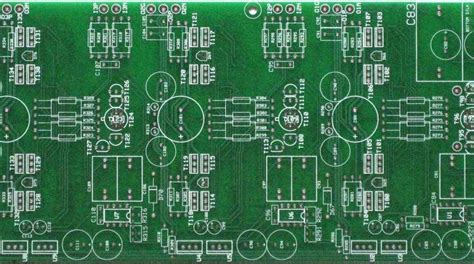
LED PCBs come in various types, each suited for specific applications and performance requirements. The most common types include:
- Single-Layer PCBs: These are the simplest and most cost-effective type of PCBs, consisting of a single layer of conductive material (usually copper) on a non-conductive substrate. They are suitable for low-power LED applications.
- Double-Layer PCBs: These PCBs have conductive layers on both sides of the substrate, allowing for more complex circuit designs and better heat dissipation.
- Multilayer PCBs: These PCBs consist of three or more conductive layers separated by insulating layers. They are used in high-power LED applications where advanced thermal management and electrical performance are required.
- Flexible PCBs: Made from flexible materials such as polyimide, these PCBs can bend and conform to different shapes, making them ideal for applications with space constraints or unusual geometries.
- Metal-Core PCBs (MCPCBs): These PCBs feature a metal core (usually aluminum) that provides excellent thermal conductivity. They are widely used in high-power LED applications, such as automotive lighting and industrial lighting.
3. Materials Used in LED PCBs
The choice of materials for LED PCBs is critical to their performance and reliability. Key materials include:
- Substrate Materials: The substrate is the base layer of the PCB, providing mechanical support and insulation. Common substrate materials include:
- FR-4: A glass-reinforced epoxy laminate, FR-4 is widely used in standard PCBs due to its affordability and good electrical insulation properties.
- Aluminum: Used in metal-core PCBs, aluminum offers excellent thermal conductivity, making it ideal for high-power LED applications.
- Ceramic: Ceramic substrates, such as aluminum oxide (Al2O3) and aluminum nitride (AlN), provide superior thermal performance and are used in high-end LED applications.
- Polyimide: This flexible material is used in flexible PCBs, offering high temperature resistance and flexibility.
- Conductive Materials: Copper is the most commonly used conductive material for PCBs due to its excellent electrical conductivity and affordability. The thickness of the copper layer is chosen based on the current-carrying requirements of the LED circuit.
- Solder Mask: A protective layer applied over the copper traces to prevent oxidation and short circuits. It also provides insulation and improves the PCB’s durability.
- Thermal Interface Materials (TIMs): These materials, such as thermal paste or pads, are used to enhance heat transfer between the LED components and the PCB.
4. Design Considerations for LED PCBs
Designing an LED PCB requires careful consideration of several factors to ensure optimal performance and reliability:
- Thermal Management: Effective heat dissipation is crucial for maintaining LED performance and longevity. Designers must incorporate features such as thermal vias, heat sinks, and metal-core substrates to manage heat effectively.
- Current Distribution: Uniform current distribution is essential to prevent uneven brightness and premature failure of LEDs. Proper trace width and layout design are critical to achieving this.
- Mechanical Stability: The PCB must be designed to withstand mechanical stresses, such as vibrations and shocks, especially in automotive and industrial applications.
- Optical Performance: The placement and orientation of LEDs on the PCB can affect the light output and distribution. Designers must consider factors such as beam angle and color consistency.
- Manufacturability: The design should be optimized for ease of manufacturing, ensuring high yield and low production costs.
5. Manufacturing Processes for LED PCBs
The manufacturing of LED PCBs involves several steps, including:
- Substrate Preparation: The substrate material is cut to the required size and cleaned to remove any contaminants.
- Circuit Patterning: A photoresist layer is applied to the substrate, and the circuit pattern is transferred using photolithography. The exposed copper is then etched away, leaving the desired circuit traces.
- Drilling and Plating: Holes are drilled for vias and component mounting, and the holes are plated with copper to establish electrical connections between layers.
- Solder Mask Application: A solder mask is applied to protect the copper traces and prevent solder bridges during assembly.
- Surface Finish: A surface finish, such as HASL (Hot Air Solder Leveling) or ENIG (Electroless Nickel Immersion Gold), is applied to protect the copper and improve solderability.
- Component Assembly: LEDs and other components are mounted on the PCB using surface-mount technology (SMT) or through-hole technology (THT).
- Testing and Inspection: The finished PCB undergoes electrical testing and visual inspection to ensure quality and functionality.
6. Applications of LED PCBs
LED PCBs are used in a wide range of applications, including:
- General Lighting: LED PCBs are widely used in residential, commercial, and industrial lighting systems, offering energy efficiency and long lifespan.
- Automotive Lighting: LED PCBs are used in headlights, taillights, and interior lighting in vehicles, providing bright and reliable illumination.
- Display Backlighting: LED PCBs are used in LCD displays for TVs, monitors, and smartphones, providing uniform backlighting.
- Medical Lighting: LED PCBs are used in medical devices and equipment, such as surgical lights and diagnostic instruments, due to their precise control and reliability.
- Horticultural Lighting: LED PCBs are used in grow lights for indoor farming, providing the specific light spectra needed for plant growth.
7. Future Trends in LED PCB Technology
The LED PCB industry is continuously evolving, driven by advancements in materials, manufacturing processes, and design techniques. Key trends include:
- Miniaturization: As LEDs become smaller and more powerful, there is a growing demand for compact and high-density LED PCBs.
- Improved Thermal Management: New materials and designs are being developed to enhance heat dissipation, enabling higher power densities and longer lifespans.
- Smart Lighting: The integration of sensors, wireless connectivity, and control systems into LED PCBs is enabling the development of smart lighting solutions.
- Sustainability: There is a growing focus on using eco-friendly materials and manufacturing processes to reduce the environmental impact of LED PCBs.
Conclusion
LED PCBs are a critical component of modern lighting systems, enabling the efficient and reliable operation of LEDs. With advancements in materials, design, and manufacturing, LED PCBs are becoming more versatile and capable of meeting the demands of a wide range of applications. As the lighting industry continues to evolve, LED PCB technology will play a key role in shaping the future of illumination.