
PCB Drilling Quality Defects and Influencing Factors
Abstract
Printed Circuit Board (PCB) drilling is a critical process in PCB manufacturing, directly impacting the reliability and performance of the final product. However, various defects can occur during drilling, such as hole wall roughness, nail heading, burrs, and misalignment. These defects can lead to poor electrical connectivity, reduced mechanical strength, and even PCB failure. This paper explores common PCB drilling quality defects, their causes, and the key influencing factors, including drill bit wear, drilling parameters, material properties, and machine accuracy. By understanding these factors, manufacturers can optimize the drilling process to improve PCB quality and yield.
1. Introduction
PCB drilling is an essential step in multilayer PCB fabrication, creating via holes for electrical connections between layers. The quality of drilled holes significantly affects plating reliability, signal integrity, and overall PCB performance. However, drilling defects can arise due to mechanical, thermal, and material-related factors. Identifying and mitigating these defects is crucial for ensuring high-quality PCB production.
This paper discusses major PCB drilling defects, their root causes, and the key parameters influencing drilling quality.
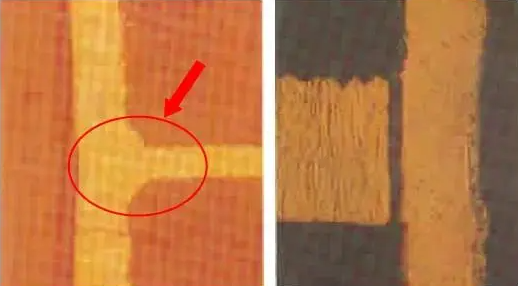
2. Common PCB Drilling Quality Defects
2.1 Hole Wall Roughness
Hole wall roughness refers to uneven surfaces inside drilled holes, which can hinder proper copper plating and lead to poor electrical conductivity. Causes include:
- Excessive drill bit wear – A dull drill bit tears the material instead of cutting cleanly.
- Incorrect feed rate and spindle speed – High feed rates can cause chipping, while low speeds may generate excessive heat.
- Improper chip evacuation – Accumulated debris increases friction, worsening roughness.
2.2 Nail Heading (Smear)
Nail heading occurs when melted resin smears over the copper layers, preventing proper plating adhesion. Contributing factors:
- High drilling temperature – Friction generates heat, softening the resin.
- Insufficient drill bit sharpness – Dull bits require more force, increasing heat.
- Inadequate coolant application – Poor lubrication exacerbates thermal effects.
2.3 Burrs and Tearing
Burrs are raised edges around drilled holes, while tearing refers to fiber breakout in composite materials. Causes:
- Worn or chipped drill bits – Damaged bits cannot cut cleanly.
- Excessive feed rate – Aggressive drilling leads to material tearing.
- Incorrect entry/exit material support – Inadequate backing can cause breakout.
2.4 Hole Misalignment and Positional Errors
Misaligned holes disrupt layer-to-layer connections, leading to electrical failures. Influencing factors:
- Machine vibration and stability – Poor machine rigidity causes deviations.
- Incorrect drill bit alignment – Bent or misaligned bits drill off-center.
- Material movement during drilling – Insufficient clamping allows shifting.
2.5 Drill Breakage
Drill bit breakage halts production and damages PCBs. Common causes:
- Excessive feed force – Overloading the drill bit leads to fractures.
- Improper drill bit selection – Brittle or low-quality bits are prone to breakage.
- Incorrect drilling depth – Hitting hard materials (e.g., metal layers) can snap bits.
3. Key Factors Influencing PCB Drilling Quality
3.1 Drill Bit Condition
- Wear and sharpness – A sharp drill bit ensures clean cuts, while a worn bit increases roughness and heat.
- Coating quality – Carbide or diamond-coated bits last longer and reduce friction.
- Geometry (point angle, flute design) – Optimal geometry improves chip evacuation and cutting efficiency.
3.2 Drilling Parameters
- Spindle speed (RPM) – Higher speeds reduce cutting force but may increase heat.
- Feed rate (IPM) – Optimal feed rates balance productivity and hole quality.
- Retract rate – Proper retraction helps clear debris, preventing re-drilling of chips.
3.3 Material Properties
- PCB laminate type (FR-4, high-Tg, Rogers) – Different materials have varying hardness and thermal resistance.
- Copper thickness – Thicker copper requires sharper bits and adjusted parameters.
- Resin content and glass transition temperature (Tg) – High-resin materials are prone to smearing.
3.4 Machine and Process Control
- Machine rigidity and vibration – Stable machines ensure precision.
- Coolant and lubrication – Effective cooling reduces thermal defects.
- Depth control and tool path optimization – Prevents over-drilling and breakage.
4. Mitigation Strategies
To minimize drilling defects, manufacturers should:
- Implement regular drill bit inspection and replacement – Use automated wear detection systems.
- Optimize drilling parameters – Conduct Design of Experiments (DOE) for best speed/feed combinations.
- Enhance machine calibration – Ensure spindle alignment and stability.
- Improve chip evacuation – Use compressed air or vacuum systems to remove debris.
- Apply advanced drilling technologies – Laser drilling for microvias reduces mechanical stress.
5. Conclusion
PCB drilling quality is influenced by multiple factors, including drill bit condition, process parameters, material properties, and machine accuracy. Understanding these factors helps in identifying root causes of defects such as roughness, smearing, burrs, and misalignment. By optimizing drilling conditions and adopting preventive measures, manufacturers can enhance PCB reliability and reduce production costs. Future advancements in drilling technology, such as AI-based process monitoring and adaptive drilling systems, will further improve precision and yield.