
Proper Disposal and Recycling of Expired PCB Circuit Boards
Introduction
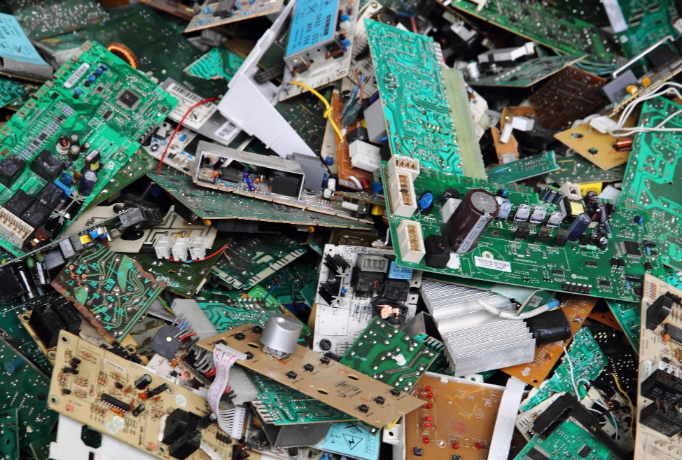
Printed Circuit Boards (PCBs) are essential components in nearly all electronic devices. Over time, these boards may expire due to technological obsolescence, physical damage, or chemical degradation. Improper disposal of expired PCBs can lead to severe environmental pollution and health hazards due to the presence of toxic materials such as lead, mercury, cadmium, and brominated flame retardants. Therefore, it is crucial to follow proper disposal and recycling methods to minimize environmental impact and recover valuable materials.
This article explores the best practices for handling expired PCBs, including evaluation for reuse, recycling processes, and safe disposal methods.
1. Assessing the Condition of Expired PCBs
Before deciding on disposal, it is essential to evaluate whether the PCB can still be reused or refurbished.
1.1 Functional Testing
- Visual Inspection: Check for physical damage such as broken traces, burnt components, or corrosion.
- Electrical Testing: Use multimeters, oscilloscopes, or automated test equipment to verify functionality.
- Performance Verification: Test the PCB in its intended application to ensure reliability.
1.2 Potential for Refurbishment
- Component Salvage: Functional components (ICs, resistors, capacitors) can be desoldered and reused.
- Repair: Minor damages (e.g., broken traces) can sometimes be repaired.
- Reuse in Non-Critical Applications: Expired but functional PCBs may be suitable for educational or prototyping purposes.
If the PCB is beyond repair or reuse, recycling or proper disposal is necessary.
2. Recycling Expired PCBs
Recycling PCBs helps recover precious metals (gold, silver, copper) and reduces e-waste pollution. The recycling process involves several steps:
2.1 Manual Dismantling
- Component Removal: Workers manually desolder and separate reusable components.
- Hazardous Material Handling: Batteries, capacitors, and other toxic parts are removed for specialized treatment.
2.2 Mechanical Processing
- Shredding: PCBs are shredded into small pieces to facilitate further separation.
- Separation Techniques:
- Magnetic Separation: Removes ferrous metals.
- Eddy Current Separation: Recovers non-ferrous metals.
- Air Classification: Separates lightweight plastics from heavier metals.
2.3 Chemical Processing (Hydrometallurgy)
- Acid Leaching: Uses acids (e.g., nitric acid, sulfuric acid) to dissolve metals.
- Electrolysis: Recovers pure metals from leach solutions.
- Cyanide Leaching (for Gold Recovery): An effective but hazardous method requiring strict safety controls.
2.4 Pyrometallurgical Processing
- Incineration: Burns off organic materials, leaving metals behind.
- Smelting: High-temperature furnaces extract copper and precious metals.
2.5 Biometallurgical (Bioleaching)
- Microbial Extraction: Bacteria such as Acidithiobacillus ferrooxidans help dissolve metals in an eco-friendly way.
3. Safe Disposal of Non-Recyclable PCBs
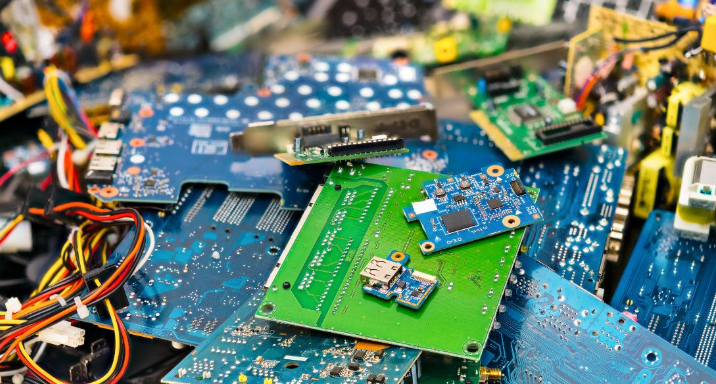
If recycling is not feasible, PCBs must be disposed of safely to prevent environmental contamination.
3.1 Landfill Disposal (Last Resort)
- Secure Landfills: Only specialized hazardous waste landfills can handle PCBs.
- Encapsulation: PCBs may be embedded in concrete to prevent leaching of toxins.
3.2 Incineration with Pollution Control
- High-Temperature Incinerators: Must have scrubbers to capture toxic fumes.
- Energy Recovery: Heat from incineration can generate electricity.
4. Legal and Regulatory Compliance
Different countries have strict regulations for PCB disposal:
- EU: Follows the WEEE Directive (Waste Electrical and Electronic Equipment) and RoHS (Restriction of Hazardous Substances).
- USA: Regulated by the EPA (Environmental Protection Agency) under RCRA (Resource Conservation and Recovery Act).
- China: Implements WEEE regulations and encourages formal recycling channels.
Non-compliance can result in heavy fines and legal consequences.
5. Best Practices for Businesses and Individuals
5.1 For Manufacturers
- Design for Recycling: Use fewer toxic materials and modular designs.
- Partner with Certified Recyclers: Ensure proper e-waste management.
5.2 For Consumers
- Return to E-Waste Programs: Many electronics retailers offer take-back programs.
- Avoid Informal Recycling: Unregulated recyclers often cause environmental harm.
Conclusion
Expired PCBs should never be discarded as regular trash. Instead, they should be evaluated for reuse, recycled through certified processes, or disposed of in an environmentally responsible manner. By following proper disposal protocols, we can reduce e-waste pollution, recover valuable materials, and comply with global environmental regulations.
Adopting sustainable practices in PCB disposal is not just a legal obligation but also a moral responsibility to protect our planet for future generations.