
Strengthening Information Traceability in PCB Manufacturing: Strategies and Best Practices
Introduction
Printed Circuit Boards (PCBs) are the backbone of modern electronics, found in everything from consumer devices to industrial machinery and aerospace systems. As PCB designs become more complex and supply chains more globalized, ensuring robust information traceability has become a critical challenge. Effective traceability allows manufacturers to track materials, processes, and quality data throughout the PCB lifecycle, improving compliance, defect resolution, and supply chain transparency.
This article explores key strategies to strengthen PCB information traceability, including advanced labeling techniques, digital tracking systems, blockchain integration, and standardized data management.
1. The Importance of PCB Traceability
Traceability in PCB manufacturing refers to the ability to track and document every stage of production, from raw material sourcing to final product delivery. Key benefits include:
- Quality Control & Defect Resolution – Identifying the root cause of failures becomes easier when each component and process step is logged.
- Regulatory Compliance – Industries like medical, automotive, and aerospace require strict documentation for safety and certification.
- Counterfeit Prevention – Traceability helps verify authentic components, reducing the risk of counterfeit parts entering the supply chain.
- Supply Chain Transparency – Manufacturers can monitor supplier performance and ensure ethical sourcing of materials.
2. Challenges in PCB Traceability
Despite its importance, PCB traceability faces several obstacles:
- Fragmented Data Systems – Many manufacturers still rely on paper records or disconnected software, leading to data silos.
- Complex Supply Chains – PCBs often involve multiple suppliers for substrates, laminates, and components, complicating tracking.
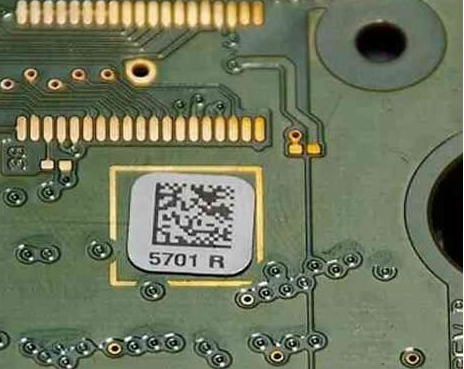
- Limited Unique Identification – Without standardized labeling (e.g., barcodes, QR codes), tracking individual boards is difficult.
- Data Security Risks – Digital traceability systems must protect sensitive design and production data from cyber threats.
3. Strategies to Enhance PCB Traceability
3.1. Implementing Unique Identification Methods
Each PCB should have a unique identifier (UID) such as:
- Barcodes & QR Codes – Simple, cost-effective solutions for tracking boards through production and testing.
- RFID Tags – Allow wireless tracking of PCBs in real-time, useful for high-volume production lines.
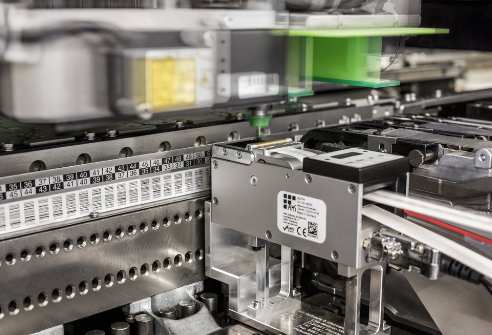
- Laser Marking – Permanent engravings that withstand harsh environments (e.g., high temperatures, chemical exposure).
3.2. Adopting Digital Traceability Systems
Modern Manufacturing Execution Systems (MES) and Enterprise Resource Planning (ERP) software can automate data collection and provide end-to-end visibility. Key features include:
- Real-Time Monitoring – Track production progress, test results, and defects in real-time.
- Automated Data Logging – Reduce human error by automatically recording process parameters (e.g., solder paste application, reflow temperatures).
- Integration with IoT – Sensors on equipment can feed data directly into traceability systems.
3.3. Blockchain for Secure & Immutable Records
Blockchain technology offers a decentralized, tamper-proof ledger for PCB traceability. Applications include:
- Supply Chain Verification – Ensure raw materials (e.g., conflict-free minerals) are sourced ethically.
- Counterfeit Prevention – Immutable records verify the authenticity of components.
- Smart Contracts – Automate compliance checks and approvals between stakeholders.
3.4. Standardizing Data Formats
Adopting industry-wide standards (e.g., IPC-1782 for traceability) ensures compatibility between different systems. Benefits include:
- Interoperability – Seamless data exchange between manufacturers, suppliers, and customers.
- Structured Data – Consistent formats improve analytics and reporting.
3.5. Enhancing Supplier Collaboration
Traceability requires cooperation across the supply chain. Best practices include:
- Supplier Audits – Verify that vendors adhere to traceability requirements.
- Shared Digital Platforms – Cloud-based systems allow real-time data sharing with suppliers.
4. Case Studies
4.1. Automotive Industry: Preventing Counterfeit Components
A major automotive manufacturer implemented RFID tagging for all PCB assemblies, reducing counterfeit part incidents by 90%.
4.2. Medical Devices: Ensuring Compliance
A medical device company used blockchain to track sterilization processes, simplifying FDA audits.
5. Future Trends
- AI-Powered Analytics – Machine learning can predict defects by analyzing traceability data.
- Digital Twins – Virtual replicas of PCBs enable real-time performance monitoring.
- Sustainability Tracking – Traceability systems will increasingly log carbon footprints and recyclability data.
Conclusion
Strengthening PCB traceability requires a combination of advanced labeling, digital systems, blockchain, and industry collaboration. By implementing these strategies, manufacturers can improve quality, compliance, and supply chain resilience. As technology evolves, AI and IoT will further enhance traceability, making PCBs smarter and more transparent than ever.
Investing in robust traceability is no longer optional—it’s a competitive necessity in the modern electronics industry.