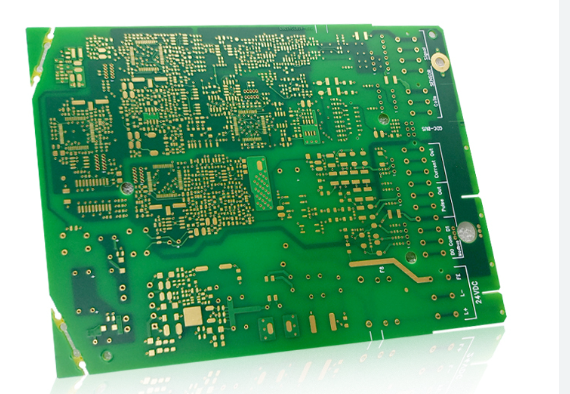
Thermal Characteristics of High-Frequency PCB Circuits
Abstract High-frequency printed circuit boards (PCBs) are widely used in modern electronics, including telecommunications, radar systems, and high-speed digital applications….

Abstract High-frequency printed circuit boards (PCBs) are widely used in modern electronics, including telecommunications, radar systems, and high-speed digital applications….
Abstract This paper explores the critical design considerations for implementing magnetic components (inductors and transformers) using printed circuit board (PCB)…
Wireless infrastructure needs to provide sufficiently low insertion loss to effectively improve energy utilization. With the advent of 4G services,…
When processing and testing high-frequency PCB boards and high-frequency antennas, beginners often choose the wrong high-frequency PCB, which leads to…
Material Selection For High-Frequency PCB Winding Magnetic Components When designing high-frequency PCB winding magnetic components, material selection plays a pivotal…
Comparative Analysis Of Insertion Loss In FR-4 And Rogers PCB Materials In the realm of high-frequency printed circuit board (PCB)…
Design Considerations for High Frequency PCBs When designing high frequency printed circuit boards (PCBs), several critical considerations must be taken…
Understanding The Importance Of High Frequency PCB Material In Modern Electronics In the rapidly evolving landscape of modern electronics, the…
Designing High-Frequency PCB Speakers for Optimal Performance Designing high-frequency PCB speakers for optimal performance requires a meticulous approach, as the…
Introduction To Portable High Frequency PCB: Key Features And Benefits Portable high frequency printed circuit boards (PCBs) represent a significant…
When designing high-speed, high-frequency printed circuit boards (PCBs), the selection of dielectric materials is a critical factor that significantly influences the performance and reliability of the final product.
The dielectric material, which serves as an insulating layer between conductive traces, plays a pivotal role in determining the signal integrity, impedance control, and overall electrical performance of the PCB.
As the demand for faster data transmission and higher operational frequencies continues to grow, engineers must carefully evaluate the properties of various dielectric materials to ensure optimal functionality.