
The Evolution and Challenges of the PCB Global Supply Chain
Introduction
The printed circuit board (PCB) industry forms the backbone of modern electronics, serving as the foundational platform upon which nearly all electronic components are mounted. As globalization has transformed manufacturing over the past several decades, the PCB supply chain has become increasingly complex and geographically dispersed. This article examines the current state of the PCB global supply chain, its historical development, key players, challenges, and future trends that will shape this critical industry.
Historical Development of the PCB Supply Chain
The PCB industry traces its origins to the early 20th century, but significant globalization began in the 1980s and accelerated in the 1990s. Several factors drove this transformation:
- Cost Pressures: Electronics manufacturers sought lower production costs to remain competitive in consumer markets
- Specialization: Different regions developed expertise in various aspects of PCB production
- Trade Liberalization: Reduced tariffs and trade barriers enabled cross-border supply chains
- Technology Transfer: Knowledge spread to developing nations seeking industrial growth
Initially concentrated in the United States, Europe, and Japan, PCB manufacturing gradually shifted to Taiwan, South Korea, and eventually mainland China, which emerged as the dominant global producer by the early 2000s.
Current Structure of the PCB Global Supply Chain
The modern PCB supply chain spans multiple continents and involves numerous specialized players:
Raw Material Suppliers
- Copper foil producers (Japan, China, South Korea)
- Resin and laminate manufacturers (Taiwan, United States, Japan)
- Chemical suppliers (Germany, United States, China)
PCB Fabrication
- High-volume manufacturers (China, Taiwan, South Korea)
- High-tech specialty producers (United States, Japan, Germany)
- Quick-turn prototype shops (distributed globally)
Assembly and Testing
- Electronics manufacturing services (EMS) providers
- Original design manufacturers (ODMs)
- In-house assembly by OEMs
End Markets
- Consumer electronics
- Automotive
- Industrial equipment
- Aerospace and defense
- Medical devices
This geographically dispersed network has created efficiencies but also vulnerabilities, as demonstrated during recent supply chain disruptions.
Geographic Distribution of PCB Production
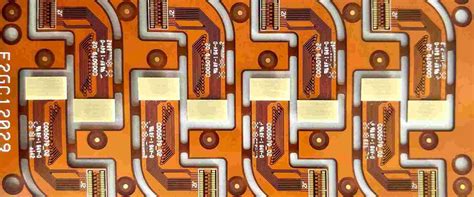
China dominates global PCB production, accounting for approximately 52% of worldwide output by value as of 2023. Other significant producers include:
- Taiwan: 13% of global production, specializing in high-end boards
- South Korea: 11%, strong in advanced packaging substrates
- Japan: 9%, focused on high-reliability and specialty PCBs
- United States: 5%, concentrating on defense and aerospace applications
- Europe: 4%, with strength in automotive and industrial sectors
Emerging production regions include Southeast Asia (Thailand, Vietnam, Malaysia) and India, as companies pursue “China Plus One” diversification strategies.
Key Players in the PCB Supply Chain
The PCB industry features a mix of large multinational corporations and specialized smaller firms:
Leading PCB Manufacturers
- Zhen Ding Technology (China/Taiwan)
- Unimicron (Taiwan)
- Nippon Mektron (Japan)
- TTM Technologies (United States)
- Tripod Technology (Taiwan)
Materials Suppliers
- Mitsubishi Gas Chemical (Japan)
- Isola Group (United States)
- Nan Ya Plastics (Taiwan)
- Kingboard Holdings (China)
Equipment Providers
- Orbotech (Israel)
- Hitachi Via Mechanics (Japan)
- Schmoll Maschinen (Germany)
These companies operate within an ecosystem that includes hundreds of smaller specialized suppliers and service providers.
Supply Chain Challenges and Risks
The PCB global supply chain faces numerous challenges that have become particularly apparent in recent years:
Geopolitical Tensions
- US-China trade conflicts and technology restrictions
- Taiwan Strait tensions affecting semiconductor and PCB supplies
- Export controls on advanced PCB technologies
Pandemic-Related Disruptions
- Factory closures and production halts
- Logistics bottlenecks and shipping delays
- Labor shortages in manufacturing hubs
Material Shortages
- Copper price volatility
- Specialty chemical supply constraints
- Substrate material bottlenecks
Quality and Compliance Issues
- Counterfeit components entering the supply chain
- Environmental regulation compliance (RoHS, REACH)
- Conflict minerals sourcing requirements
Technological Challenges
- Keeping pace with advanced packaging requirements
- High-frequency material demands for 5G
- Miniaturization and HDI board complexities
These challenges have prompted many electronics companies to reevaluate their supply chain strategies and risk management approaches.
Trends Reshaping the PCB Supply Chain
Several important trends are transforming the PCB global supply chain:
Regionalization and Reshoring
- Government incentives for domestic production (US CHIPS Act, EU Chips Act)
- Nearshoring to politically aligned countries
- Strategic stockpiling of critical PCBs
Supply Chain Digitization
- Blockchain for component traceability
- AI-driven demand forecasting
- Digital twin applications for supply chain modeling
Sustainability Initiatives
- Recycling programs for PCB materials
- Reduced water and chemical usage in production
- Renewable energy adoption by manufacturers
Advanced Manufacturing Technologies
- Additive manufacturing for quick-turn prototypes
- Automated optical inspection (AOI) improvements
- Industry 4.0 smart factory implementations
Product Innovation
- Embedded component PCBs
- Flexible and stretchable circuit technologies
- Advanced packaging substrate developments
These trends reflect both responses to current challenges and proactive investments in future capabilities.
Future Outlook
The PCB global supply chain will likely undergo significant transformation in the coming decade. While complete decoupling from Chinese production appears unrealistic for most companies, substantial diversification is already underway. Southeast Asia stands to benefit most from this shift, though capacity building will take time.
Technological advancements may alter traditional supply chain models. Additive manufacturing could enable more localized production of certain PCB types, while advanced automation may reduce the labor cost advantages of offshore production for some applications.
Sustainability concerns will drive material innovation and recycling infrastructure development. The industry must balance environmental responsibilities with the need for high-performance materials in cutting-edge applications.
Geopolitical factors will remain a wild card, with potential flashpoints in Taiwan and ongoing technology export controls affecting high-end PCB trade flows. Companies will need to develop more agile and resilient supply chain strategies to navigate this uncertain landscape.
Conclusion
The PCB global supply chain represents a remarkable achievement of international specialization and coordination, but also demonstrates vulnerabilities inherent in highly optimized, geographically concentrated production networks. As the foundation upon which all modern electronics depend, PCB availability directly impacts countless industries and products.
Moving forward, successful companies will be those that can balance cost efficiency with supply chain resilience, embrace digital transformation while maintaining quality standards, and navigate complex geopolitical realities while continuing to innovate. The PCB industry’s ability to adapt to these challenges will play a crucial role in shaping the future of global electronics manufacturing.
The coming years will likely see a more regionalized, technologically advanced, and politically conscious PCB supply chain emerge—one that retains global connections while reducing critical vulnerabilities. How this transformation unfolds will have profound implications for electronics innovation, economic competitiveness, and national security across the world’s major economies.