
The Impact of PCB Design and Manufacturing on PCBA Quality
Introduction
Printed Circuit Board Assembly (PCBA) is a critical process in electronics manufacturing, where components are mounted onto a Printed Circuit Board (PCB) to create functional electronic devices. The quality of the final PCBA depends on various factors, including component selection, soldering techniques, and assembly processes. However, one of the most fundamental influences on PCBA quality is the PCB itself.
A well-designed and properly manufactured PCB ensures reliable electrical connections, mechanical stability, and long-term performance. Conversely, poor PCB design or manufacturing defects can lead to assembly failures, electrical issues, and reduced product lifespan. This article explores the key aspects of PCB design and manufacturing that significantly impact PCBA quality.
1. PCB Material Selection
The choice of PCB substrate material affects electrical performance, thermal management, and mechanical durability. Common materials include:
- FR-4: A standard epoxy-glass laminate, suitable for most consumer electronics but may not be ideal for high-frequency or high-temperature applications.
- High-Frequency Laminates (e.g., Rogers, PTFE): Essential for RF and microwave circuits due to low signal loss.
- Metal-Core PCBs: Used in high-power LED and power electronics for better heat dissipation.
- Flexible PCBs (Polyimide): Used in wearable and compact devices but require careful handling during assembly.
Impact on PCBA Quality:
- Poor material selection can lead to signal integrity issues, excessive heat buildup, or delamination during reflow soldering.
- Mismatched thermal expansion coefficients between PCB and components can cause solder joint cracks.
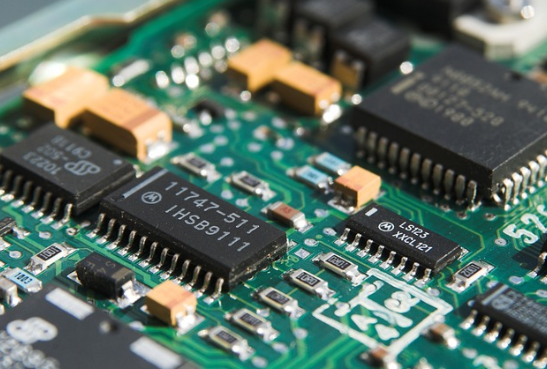
2. PCB Layout and Design Considerations
A. Trace Width and Spacing
- Narrow traces increase resistance and can lead to overheating or signal degradation.
- Insufficient spacing between traces may cause crosstalk or short circuits.
- High-current traces must be wide enough to prevent excessive heat generation.
B. Via Design
- Incorrect via size or plating can lead to poor solder filling or open connections.
- Thermal vias help dissipate heat but must be properly placed to avoid solder wicking.
C. Pad Design
- Insufficient pad size can cause weak solder joints or tombstoning (component lifting).
- Non-uniform pad shapes may lead to uneven solder distribution.
D. Component Placement
- Dense component placement increases the risk of solder bridging.
- Improperly spaced components can hinder automated assembly (e.g., pick-and-place errors).
Impact on PCBA Quality:
- Poor layout can result in assembly defects, signal interference, and reduced reliability.
3. PCB Surface Finish
The PCB surface finish protects copper traces from oxidation and ensures good solderability. Common finishes include:
- HASL (Hot Air Solder Leveling): Cost-effective but may cause uneven surfaces for fine-pitch components.
- ENIG (Electroless Nickel Immersion Gold): Provides a flat surface, good for BGA and fine-pitch components.
- OSP (Organic Solderability Preservative): Low-cost but has limited shelf life.
- Immersion Silver/Tin: Good for high-frequency applications but prone to tarnishing.
Impact on PCBA Quality:
- Poor surface finish can lead to weak solder joints, oxidation, and assembly defects.
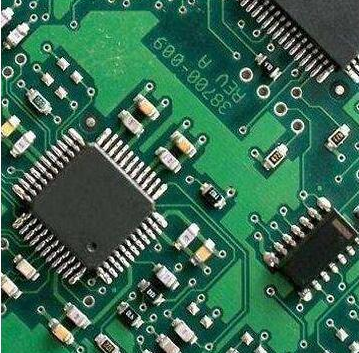
4. PCB Manufacturing Defects
Even with a good design, manufacturing defects can compromise PCBA quality:
A. Copper Thickness Variations
- Insufficient copper increases resistance and heat generation.
- Uneven plating can cause impedance mismatches in high-speed circuits.
B. Drilling and Hole Quality
- Misaligned or rough holes affect component insertion and solder flow.
- Plating voids in vias can lead to open circuits.
C. Solder Mask Issues
- Incomplete solder mask coverage may cause unintended solder bridges.
- Overly thick solder mask can interfere with component placement.
D. Warpage
- Excessive PCB warpage can cause misalignment during assembly and solder joint failures.
Impact on PCBA Quality:
- Manufacturing defects increase the likelihood of rework, testing failures, and field returns.
5. Thermal Management Consideration
PCBs must efficiently dissipate heat to prevent component failure:
- Thermal relief pads prevent heat sinking during soldering.
- Copper pours and heat sinks improve heat distribution.
- Glass transition temperature (Tg) of the substrate must match the operating environment.
Impact on PCBA Quality:
- Poor thermal design can lead to overheating, solder reflow issues, and premature component failure.
6. PCB Cleanliness and Contamination
Residues from manufacturing (flux, oils, dust) can cause:
- Electrochemical migration (dendrite growth leading to short circuits).
- Poor adhesion of conformal coatings.
- Corrosion over time.
Impact on PCBA Quality:
- Contamination increases the risk of electrical failures and reduces long-term reliability.
7. PCB Testing and Inspection
Pre-assembly testing helps detect defects early:
- Electrical Testing (Flying Probe, Bed of Nails): Checks for open/short circuits.
- Automated Optical Inspection (AOI): Detects soldering and component placement defects.
- X-Ray Inspection: Essential for hidden solder joints (e.g., BGA components).
Impact on PCBA Quality:
- Inadequate testing increases the risk of defective assemblies reaching the market.
Conclusion
The quality of a PCBA is heavily influenced by PCB design and manufacturing. Key factors such as material selection, layout optimization, surface finish, manufacturing precision, thermal management, cleanliness, and testing all play crucial roles in ensuring a reliable final product. By addressing these aspects early in the design phase, manufacturers can minimize assembly defects, improve yield rates, and enhance the long-term performance of electronic devices.
Investing in high-quality PCB fabrication and thorough design validation ultimately leads to cost savings, reduced rework, and higher customer satisfaction in the electronics industry.