
Skip to content
Andwin Circuits
  • Home
  • ProductsExpand
    • HDI multilayer PCB
    • Rigid Flex PCB
    • Flex pcb
    • Special PCBExpand
      • High Frequency PCBExpand
        • Rogers RO4350B PCB
        • Rogers RO4003 pcb
        • Rogers RO3003 PCB
        • Rogers 5880 PCB
        • DICLAD 527 PCB
        • Taconic TLX series
        • Taconic TLX-8 RF PCB
        • Taconic TLX-9 RF PCB
      • High speed pcbExpand
        • Megtron 6 High Speed PCB
        • TU-872 SLK Sp High Speed
      • High TG PCBExpand
        • SHENGYI SH260 PCB
        • ISOLA 370HR PCB
        • ISOLA IS410 PCB
        • ISOLA IS420 PCB
      • Heavy copper PCB
      • Copper coin pcb
      • Copper inlay PCB
    • Metal Core PCBExpand
      • Copper core pcb
      • Aluminum PCB
      • 2 Layers Aluminum PCB
      • Direct thermal MCPCB
      • 2 Layers Direct Thermal
    • Ceramic PCBExpand
      • DPC ceramic PCB
      • DBC ceramic PCB
      • Thick film Ceramic PCB
      • Al2O3 Alumina PCB
      • AIN ALN ceramic PCB
      • IGBT Ceramic PCB
  • ServiceExpand
    • PCB Assembly
    • Quick turn PCB assembly
    • PCBA conformal coating
  • IndustryExpand
    • Telecommunication
    • IoT and Wireless
    • Industrial Control
    • Thermal management
    • Power and Energy
    • IC test board
    • Automative
    • Medical
  • CapabilityExpand
    • Rigid PCB
    • Rigid flex PCB
    • Metal core PCB
    • PCB Assembly
  • TechnologyExpand
    • Blogs
    • Via in pad
    • PCB E-test
    • PCB stack up
    • MCPCB panelization
    • Controlled impedance PCB
  • AboutExpand
    • About us
    • Certification
    • Factory Tour
  • Contact
Andwin Circuits
Home / The Importance of PCB Ionic Contamination Testing

The Importance of PCB Ionic Contamination Testing

ByGrace September 2, 2025September 2, 2025

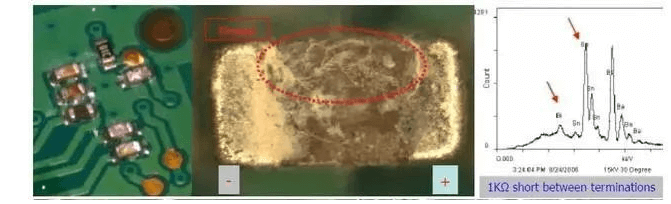
In the electronics manufacturing industry, ionic contamination testing of PCBs (printed circuit boards) is a critical step in ensuring product quality. Ionic contamination refers to the residual charged ions on the PCB surface. These contaminants primarily originate from manufacturing processes such as soldering additives, cleaning chemicals, humidity control, electroplating, wave soldering, and reflow soldering. These residues can cause electrochemical effects, posing a potential threat to the performance and reliability of the PCB.

Control and Testing of Ionic Contamination

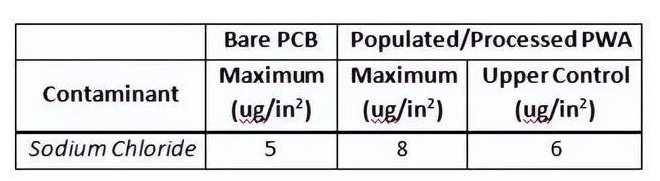
To ensure the quality and reliability of PCBs, the level of ionic contaminants must be strictly controlled and quantitatively analyzed using precise testing methods. A widely accepted testing method in the industry is IC ion chromatography, which accurately measures ionic contamination on PCB surfaces. To ensure the accuracy of test results, testing should be performed in accordance with international standards such as BS-EN-14582 and IPC-TM-650 2.3.28B.

Ionic Contamination Testing Services

PCB ionic contamination testing services include PCBA cleanliness testing, concentration testing of specific ions such as chlorine, fluorine, bromine, and iodine, SMT quality analysis, and semiconductor chip testing. Jinjian Laboratory can provide customized analysis and test reports based on the specific PCB design, detailing the specific ionic contamination levels.

The Necessity of Ionic Contamination Testing

Contact us for PCB quote now |

The importance of ionic contamination testing cannot be underestimated; it helps us understand the rationality of our customers’ PCB quality requirements. The following are key points regarding PCBA contamination:

  1. Sources of Contamination

PCBA contamination can come from oxidation of components and PCBs, flux residue during production, fingerprints and jig marks during soldering, and dust and moisture in the workplace.

  1. Harms of Contamination

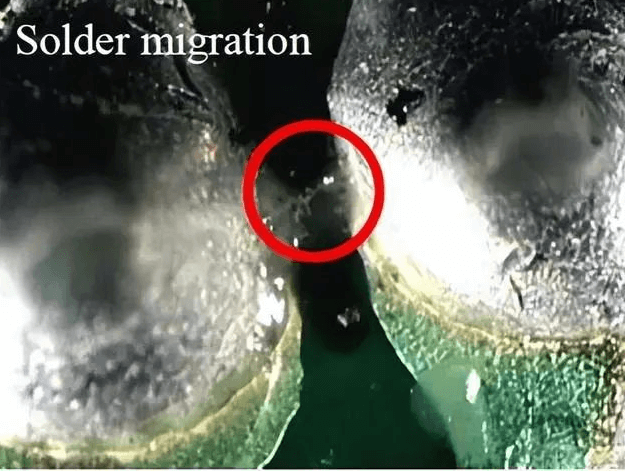
Contamination can cause PCBA corrosion, electromigration, reduced protective coating effectiveness, and cracking and peeling of the coating over time and temperature, all of which can affect PCBA reliability.

  1. Typical Problems Caused by Contamination

These problems include corrosion, electromigration, and poor electrical contact, all of which can lead to circuit failure or performance degradation.

The Necessity of Cleaning

Cleaning not only improves the appearance and electrical performance of PCBAs but also enhances the adhesion of protective coatings. Even in non-cleaning applications, cleaning is necessary to ensure the chemical safety of the PCB and the stability of the production line.

Ionic Contamination Testing Specifications and Standards

  1. IPC-TM-650: Provides two methods for directly testing the degree of ionic contamination in PCBs: ion mobility testing and conductivity testing.
  2. IPC J-STD-003: Defines requirements for PCB electrical testing, lists ionic contamination testing as a required test item, and specifies detailed test procedures, equipment, and judgment criteria.
  3. IPC-6012 and IPC-A-600: Recommend ionic contamination testing as an optional electrical test method for assessing PCB product compliance.
  4. Military and aerospace PCB standards, such as MIL-PRF-55110 and NASA-STD-8739.1, also include ionic contamination testing in PCB testing specifications.
Contact us for PCB quote now |
Post Tags: #aluminum clad pcb#aluminum core pcb#aluminum pcb#PCB Ionic Contamination Testing

Post navigation

Previous Previous
How to quickly adjust the silkscreen position number of PCB component?
NextContinue
Humidity:A Major Factor Affecting PCB Assembly

Search

Search

Products

  • HDI Multilayer PCB
  • Rigid Flex PCB
  • Flex pcb
  • High Frequency PCB
  • High speed pcb
  • Heavy copper PCB
  • Metal Core PCB
  • Ceramic PCB

Address

Andwin Circuits Co.,Limited
Email: sales@andwinpcb.com
Tel: +86 755 2832 9394
Fax:+86 755 2992  6717
ADD:1-2F-1217,HouDeQun Industrial park,
NanTing RD NO.56,ShaJing,BaoAn,Shenzhen 518104,GuangDong,China

Products

  • HDI Multilayer PCB
  • Rigid Flex PCB
  • Flex pcb
  • High Frequency PCB
  • High speed pcb
  • Heavy copper PCB
  • Metal Core PCB
  • Ceramic PCB

Technology

  • Blogs
  • Via in pad
  • PCB E-test
  • PCB stack up
  • Metal core PCB panelization
  • Controlled impedance PCB

CERTIFICATION

Certification >>


Copyright© 2003 - 2026 Andwin | All Rights Reserved | Powered by Andwin

Scroll to top
  • Home
  • Products
    • HDI multilayer PCB
    • Rigid Flex PCB
    • Flex pcb
    • Special PCB
      • High Frequency PCB
        • Rogers RO4350B PCB
        • Rogers RO4003 pcb
        • Rogers RO3003 PCB
        • Rogers 5880 PCB
        • DICLAD 527 PCB
        • Taconic TLX series
        • Taconic TLX-8 RF PCB
        • Taconic TLX-9 RF PCB
      • High speed pcb
        • Megtron 6 High Speed PCB
        • TU-872 SLK Sp High Speed
      • High TG PCB
        • SHENGYI SH260 PCB
        • ISOLA 370HR PCB
        • ISOLA IS410 PCB
        • ISOLA IS420 PCB
      • Heavy copper PCB
      • Copper coin pcb
      • Copper inlay PCB
    • Metal Core PCB
      • Copper core pcb
      • Aluminum PCB
      • 2 Layers Aluminum PCB
      • Direct thermal MCPCB
      • 2 Layers Direct Thermal
    • Ceramic PCB
      • DPC ceramic PCB
      • DBC ceramic PCB
      • Thick film Ceramic PCB
      • Al2O3 Alumina PCB
      • AIN ALN ceramic PCB
      • IGBT Ceramic PCB
  • Service
    • PCB Assembly
    • Quick turn PCB assembly
    • PCBA conformal coating
  • Industry
    • Telecommunication
    • IoT and Wireless
    • Industrial Control
    • Thermal management
    • Power and Energy
    • IC test board
    • Automative
    • Medical
  • Capability
    • Rigid PCB
    • Rigid flex PCB
    • Metal core PCB
    • PCB Assembly
  • Technology
    • Blogs
    • Via in pad
    • PCB E-test
    • PCB stack up
    • MCPCB panelization
    • Controlled impedance PCB
  • About
    • About us
    • Certification
    • Factory Tour
  • Contact
Search