
Understanding PCB Assembly Frames: A Comprehensive Guide
Printed Circuit Board (PCB) assembly is a critical process in the electronics manufacturing industry. It involves the placement and soldering of electronic components onto a PCB to create a functional electronic device. One of the key tools used in this process is the PCB assembly frame, also known as a PCB carrier or fixture. This article delves into the importance, design, types, and applications of PCB assembly frames, providing a comprehensive understanding of their role in modern electronics manufacturing.
1. Introduction to PCB Assembly Frames
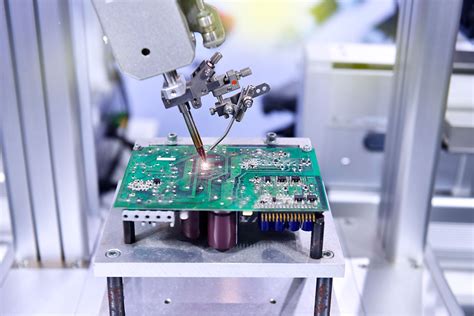
A PCB assembly frame is a specialized tool designed to hold a PCB securely during the assembly process. It ensures that the board remains stable and properly aligned, which is crucial for the accurate placement of components and the overall quality of the final product. The frame is typically used in automated assembly lines, where precision and repeatability are paramount.
2. Importance of PCB Assembly Frames
The use of PCB assembly frames offers several benefits:
- Stability and Alignment: The frame holds the PCB firmly in place, preventing any movement that could lead to misalignment of components. This is especially important in high-speed assembly lines where even minor deviations can result in defects.
- Protection: The frame protects the PCB from physical damage during handling and assembly. It also shields the board from contaminants such as dust and moisture, which can affect the soldering process.
- Efficiency: By ensuring that the PCB is correctly positioned, the frame reduces the time required for setup and alignment, thereby increasing the overall efficiency of the assembly process.
- Repeatability: In automated assembly lines, the frame allows for consistent and repeatable placement of components, which is essential for maintaining high-quality standards across large production runs.
3. Design Considerations for PCB Assembly Frames
The design of a PCB assembly frame is critical to its effectiveness. Several factors must be considered:
- Material: The frame is typically made from materials that are durable, lightweight, and resistant to heat and chemicals. Common materials include aluminum, stainless steel, and high-temperature plastics.
- Size and Shape: The frame must be designed to accommodate the specific dimensions and shape of the PCB. It should also allow for easy access to all areas of the board for component placement and soldering.
- Mounting Mechanism: The frame should have a secure mounting mechanism to hold the PCB in place. This can include clamps, screws, or vacuum systems. The choice of mechanism depends on the size and weight of the PCB, as well as the requirements of the assembly process.
- Compatibility: The frame must be compatible with the assembly equipment, including pick-and-place machines, soldering stations, and inspection systems. It should also be easy to load and unload from the assembly line.
- Thermal Management: During the soldering process, the PCB is subjected to high temperatures. The frame must be designed to withstand these temperatures without warping or degrading. It should also allow for proper heat dissipation to prevent damage to the PCB and components.
4. Types of PCB Assembly Frames
There are several types of PCB assembly frames, each designed for specific applications and requirements:
- Universal Frames: These frames are designed to accommodate a wide range of PCB sizes and shapes. They are adjustable and can be customized to fit different boards, making them versatile and cost-effective for manufacturers who produce a variety of products.
- Dedicated Frames: These frames are custom-designed for a specific PCB. They offer the highest level of precision and stability but are less flexible and more expensive than universal frames. Dedicated frames are typically used in high-volume production runs where consistency is critical.
- Vacuum Frames: These frames use a vacuum system to hold the PCB in place. They are particularly useful for thin or flexible boards that may be difficult to secure with traditional clamps or screws. Vacuum frames provide even pressure distribution, reducing the risk of warping or damage to the PCB.
- Thermal Frames: These frames are designed to manage heat during the soldering process. They may include features such as heat sinks or cooling channels to dissipate heat and prevent thermal damage to the PCB and components.
- Modular Frames: These frames consist of interchangeable components that can be reconfigured to accommodate different PCB sizes and shapes. They offer a balance between flexibility and precision, making them suitable for manufacturers who produce a variety of products but still require a high level of accuracy.
5. Applications of PCB Assembly Frames
PCB assembly frames are used in a wide range of applications across various industries:
- Consumer Electronics: The production of smartphones, tablets, laptops, and other consumer electronics requires high precision and efficiency. PCB assembly frames ensure that the boards are correctly aligned and protected during the assembly process, resulting in high-quality products.
- Automotive: The automotive industry relies on PCBs for a variety of applications, including engine control units, infotainment systems, and advanced driver-assistance systems (ADAS). PCB assembly frames are essential for ensuring the reliability and durability of these critical components.
- Medical Devices: Medical devices such as pacemakers, imaging systems, and diagnostic equipment require PCBs that are highly reliable and free from defects. PCB assembly frames help to achieve the necessary level of precision and quality in the manufacturing process.
- Aerospace and Defense: The aerospace and defense industries demand PCBs that can withstand extreme conditions, including high temperatures, vibrations, and radiation. PCB assembly frames play a crucial role in ensuring that these boards are manufactured to the highest standards.
- Industrial Equipment: PCBs are used in a wide range of industrial equipment, including robotics, automation systems, and power supplies. PCB assembly frames help to ensure that these boards are produced with the necessary level of accuracy and reliability.
6. Challenges and Future Trends
While PCB assembly frames offer numerous benefits, there are also challenges associated with their use:
- Cost: Custom-designed frames can be expensive, particularly for small production runs. Manufacturers must balance the cost of the frame with the benefits it provides in terms of quality and efficiency.
- Complexity: The design and manufacture of PCB assembly frames can be complex, particularly for boards with intricate layouts or unusual shapes. This requires specialized knowledge and expertise.
- Compatibility: As assembly equipment evolves, frames must be updated or replaced to ensure compatibility. This can be a significant investment for manufacturers.
Looking to the future, several trends are likely to impact the design and use of PCB assembly frames:
- Miniaturization: As electronic devices become smaller and more compact, PCBs are also shrinking in size. This trend is driving the development of smaller, more precise assembly frames that can accommodate these tiny boards.
- Automation: The increasing use of automation in electronics manufacturing is driving demand for frames that are compatible with advanced assembly equipment, including robotic systems and AI-driven inspection tools.
- Sustainability: There is growing interest in sustainable manufacturing practices, including the use of recyclable materials and energy-efficient processes. This trend is likely to influence the design of PCB assembly frames, with a focus on reducing waste and energy consumption.
- Flexible Electronics: The development of flexible and stretchable electronics is creating new challenges for PCB assembly. Frames must be designed to accommodate these unconventional boards without causing damage or distortion.
7. Conclusion
PCB assembly frames are an essential tool in the electronics manufacturing industry, providing stability, protection, and precision during the assembly process. Their design and use are critical to the quality and efficiency of PCB production, particularly in high-volume and high-precision applications. As the industry continues to evolve, driven by trends such as miniaturization, automation, and sustainability, the role of PCB assembly frames will become even more important. Manufacturers must stay abreast of these developments to ensure that their assembly processes remain competitive and capable of meeting the demands of the modern electronics market.
In conclusion, the PCB assembly frame is more than just a simple tool; it is a key enabler of the precision and reliability that underpin the electronics industry. By understanding its importance, design considerations, and applications, manufacturers can make informed decisions that enhance their production processes and deliver high-quality products to their customers.