
Skip to content
Andwin Circuits
  • Home
  • ProductsExpand
    • HDI multilayer PCB
    • Rigid Flex PCB
    • Flex pcb
    • Special PCBExpand
      • High Frequency PCBExpand
        • Rogers RO4350B PCB
        • Rogers RO4003 pcb
        • Rogers RO3003 PCB
        • Rogers 5880 PCB
        • DICLAD 527 PCB
        • Taconic TLX series
        • Taconic TLX-8 RF PCB
        • Taconic TLX-9 RF PCB
      • High speed pcbExpand
        • Megtron 6 High Speed PCB
        • TU-872 SLK Sp High Speed
      • High TG PCBExpand
        • SHENGYI SH260 PCB
        • ISOLA 370HR PCB
        • ISOLA IS410 PCB
        • ISOLA IS420 PCB
      • Heavy copper PCB
      • Copper coin pcb
      • Copper inlay PCB
    • Metal Core PCBExpand
      • Copper core pcb
      • Aluminum PCB
      • 2 Layers Aluminum PCB
      • Direct thermal MCPCB
      • 2 Layers Direct Thermal
    • Ceramic PCBExpand
      • DPC ceramic PCB
      • DBC ceramic PCB
      • Thick film Ceramic PCB
      • Al2O3 Alumina PCB
      • AIN ALN ceramic PCB
      • IGBT Ceramic PCB
  • ServiceExpand
    • PCB Assembly
    • Quick turn PCB assembly
    • PCBA conformal coating
  • IndustryExpand
    • Telecommunication
    • IoT and Wireless
    • Industrial Control
    • Thermal management
    • Power and Energy
    • IC test board
    • Automative
    • Medical
  • CapabilityExpand
    • Rigid PCB
    • Rigid flex PCB
    • Metal core PCB
    • PCB Assembly
  • TechnologyExpand
    • Blogs
    • Via in pad
    • PCB E-test
    • PCB stack up
    • MCPCB panelization
    • Controlled impedance PCB
  • AboutExpand
    • About us
    • Certification
    • Factory Tour
  • Contact
Andwin Circuits
Home / What are the requirements for PCB optical positioning?

What are the requirements for PCB optical positioning?

ByGrace August 12, 2025August 12, 2025

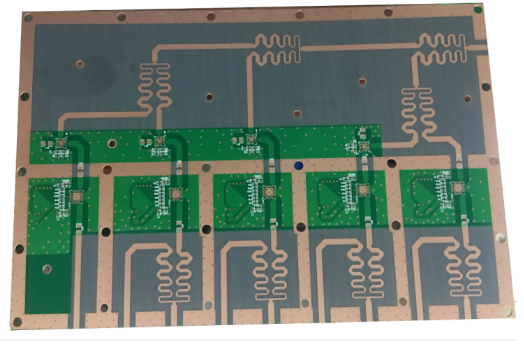
PCBs (printed circuit boards) are an indispensable component of electronic devices, and their quality and accuracy have a crucial impact on the performance and lifespan of the entire device. Optical positioning is a key technology in the PCB production process, crucial for ensuring PCB accuracy and consistency. This article will discuss the requirements for PCB optical positioning in detail.

Optical Positioning System Overview

PCB optical positioning systems are automated inspection systems based on machine vision technology. They use high-precision cameras and light sources to capture and process images of PCBs in real time, enabling precise measurement and positioning. These systems offer advantages such as non-contact, high precision, and high efficiency, making them widely used in PCB production.
Contact us for PCB quote now |

PCB Optical Positioning Requirements

Positioning Accuracy
Positioning accuracy is one of the core requirements of PCB optical positioning systems. It requires the system to accurately align the PCB with the machine coordinate system to ensure that subsequent processing or assembly operations can proceed without error. Positioning accuracy requirements typically depend on the PCB size and processing accuracy, and are generally required to be within the micron level.

Image Quality


Image quality is a key factor affecting the accuracy of PCB optical positioning systems. High-quality images provide more accurate measurement and positioning results. Therefore, optical positioning systems require high-resolution, high-contrast cameras and light sources to ensure clear and accurate images.

Stability


Stability is another important requirement for PCB optical positioning systems. During the production process, various factors such as temperature, humidity, and vibration may cause system deviation or instability. Therefore, when designing and manufacturing optical positioning systems, a series of measures must be taken to improve system stability, such as adopting high-precision mechanical structures and optimizing image processing algorithms.

Real-time


Real-time performance is another important requirement for PCB optical positioning systems. During the production process, PCB measurement and positioning must be completed quickly and accurately to ensure smooth production line operation. Therefore, when designing and manufacturing optical positioning systems, efficient image processing algorithms and hardware devices are required to improve the system’s real-time performance.

Adaptability
Adaptability is another important requirement for PCB optical positioning systems. Because different PCBs have different sizes, shapes, and materials, optical positioning systems must be able to adapt to different production environments and processing requirements. Therefore, when designing and manufacturing optical positioning systems, flexible mechanical structures and software algorithms are required to adapt to different production environments and processing requirements.

This article discusses in detail the requirements for PCB optical positioning, including positioning accuracy, image quality, stability, real-time performance, and adaptability. These requirements are crucial for ensuring PCB quality and precision. In practical applications, it’s crucial to select the appropriate optical positioning system and algorithm based on specific needs and conditions to improve production efficiency and product quality. Furthermore, with the continuous development and advancement of technology, the requirements for PCB optical positioning will continue to increase and improve.

Post Tags: #aluminum clad pcb#aluminum core pcb#aluminum core pcb led#aluminum pcb#assemble pcb

Post navigation

Previous Previous
Principle of Parallel PCB Design
NextContinue
How to Understand Proper PCB Handling Procedures

Search

Search

Products

  • HDI Multilayer PCB
  • Rigid Flex PCB
  • Flex pcb
  • High Frequency PCB
  • High speed pcb
  • Heavy copper PCB
  • Metal Core PCB
  • Ceramic PCB

Address

Andwin Circuits Co.,Limited
Email: sales@andwinpcb.com
Tel: +86 755 2832 9394
Fax:+86 755 2992  6717
ADD:1-2F-1217,HouDeQun Industrial park,
NanTing RD NO.56,ShaJing,BaoAn,Shenzhen 518104,GuangDong,China

Products

  • HDI Multilayer PCB
  • Rigid Flex PCB
  • Flex pcb
  • High Frequency PCB
  • High speed pcb
  • Heavy copper PCB
  • Metal Core PCB
  • Ceramic PCB

Technology

  • Blogs
  • Via in pad
  • PCB E-test
  • PCB stack up
  • Metal core PCB panelization
  • Controlled impedance PCB

CERTIFICATION

Certification >>


Copyright© 2003 - 2026 Andwin | All Rights Reserved | Powered by Andwin

Scroll to top
  • Home
  • Products
    • HDI multilayer PCB
    • Rigid Flex PCB
    • Flex pcb
    • Special PCB
      • High Frequency PCB
        • Rogers RO4350B PCB
        • Rogers RO4003 pcb
        • Rogers RO3003 PCB
        • Rogers 5880 PCB
        • DICLAD 527 PCB
        • Taconic TLX series
        • Taconic TLX-8 RF PCB
        • Taconic TLX-9 RF PCB
      • High speed pcb
        • Megtron 6 High Speed PCB
        • TU-872 SLK Sp High Speed
      • High TG PCB
        • SHENGYI SH260 PCB
        • ISOLA 370HR PCB
        • ISOLA IS410 PCB
        • ISOLA IS420 PCB
      • Heavy copper PCB
      • Copper coin pcb
      • Copper inlay PCB
    • Metal Core PCB
      • Copper core pcb
      • Aluminum PCB
      • 2 Layers Aluminum PCB
      • Direct thermal MCPCB
      • 2 Layers Direct Thermal
    • Ceramic PCB
      • DPC ceramic PCB
      • DBC ceramic PCB
      • Thick film Ceramic PCB
      • Al2O3 Alumina PCB
      • AIN ALN ceramic PCB
      • IGBT Ceramic PCB
  • Service
    • PCB Assembly
    • Quick turn PCB assembly
    • PCBA conformal coating
  • Industry
    • Telecommunication
    • IoT and Wireless
    • Industrial Control
    • Thermal management
    • Power and Energy
    • IC test board
    • Automative
    • Medical
  • Capability
    • Rigid PCB
    • Rigid flex PCB
    • Metal core PCB
    • PCB Assembly
  • Technology
    • Blogs
    • Via in pad
    • PCB E-test
    • PCB stack up
    • MCPCB panelization
    • Controlled impedance PCB
  • About
    • About us
    • Certification
    • Factory Tour
  • Contact
Search