
What is EMI Shielding?
Introduction
Electromagnetic Interference (EMI) shielding is a critical aspect of modern electronics and electrical engineering. As our world becomes increasingly reliant on electronic devices, the need to protect these devices from electromagnetic interference has grown exponentially. EMI shielding refers to the practice of reducing or blocking electromagnetic fields in a space by using barriers made of conductive or magnetic materials. This article will delve into the fundamentals of EMI shielding, its importance, the materials used, and its applications across various industries.
Understanding Electromagnetic Interference (EMI)
Before diving into EMI shielding, it is essential to understand what electromagnetic interference is. EMI is a disturbance generated by an external source that affects an electrical circuit by electromagnetic induction, electrostatic coupling, or conduction. This disturbance can degrade the performance of the circuit or even cause it to malfunction. EMI can be categorized into two types:
- Conducted EMI: This type of interference occurs when the noise is transmitted through physical contact, such as wires, cables, or other conductive paths.
- Radiated EMI: This type of interference is transmitted through the air as electromagnetic waves and can affect devices without any physical connection.
EMI can originate from various sources, including natural phenomena like lightning and solar flares, as well as man-made sources such as electrical appliances, industrial equipment, and communication devices.
The Importance of EMI Shielding
The primary purpose of EMI shielding is to protect electronic devices and systems from the detrimental effects of electromagnetic interference. Without proper shielding, EMI can cause a range of issues, including:
- Signal Degradation: EMI can distort or weaken signals, leading to poor performance in communication systems, audio equipment, and data transmission.
- Data Corruption: In digital systems, EMI can cause bit errors, leading to data corruption and loss of information.
- Equipment Malfunction: Sensitive electronic components can be damaged or malfunction due to EMI, resulting in costly repairs or replacements.
- Safety Hazards: In critical systems such as medical devices or aviation electronics, EMI can pose serious safety risks by causing system failures.
Given these potential problems, EMI shielding is not just a technical requirement but also a regulatory necessity in many industries. Regulatory bodies such as the Federal Communications Commission (FCC) in the United States and the European Union’s Electromagnetic Compatibility (EMC) Directive have established standards to limit EMI emissions and ensure the proper functioning of electronic devices.
How EMI Shielding Works
EMI shielding works by creating a barrier that either absorbs or reflects electromagnetic waves, thereby preventing them from reaching the sensitive components of a device. The effectiveness of EMI shielding is typically measured in decibels (dB), which indicate the reduction in the strength of the electromagnetic field.
There are two primary mechanisms by which EMI shielding operates:
- Reflection: Conductive materials, such as metals, can reflect electromagnetic waves. When an electromagnetic wave encounters a conductive surface, it induces a current in the material. This current generates a secondary electromagnetic field that opposes the original field, effectively reflecting the wave away from the shielded area.
- Absorption: Magnetic materials can absorb electromagnetic waves by converting the energy of the wave into heat. This is particularly effective for low-frequency magnetic fields, which are not easily reflected by conductive materials.
In practice, EMI shielding often involves a combination of both reflection and absorption to achieve optimal protection.
Materials Used in EMI Shielding
The choice of materials for EMI shielding depends on the specific requirements of the application, including the frequency range of the interference, the level of shielding effectiveness needed, and environmental factors such as temperature and humidity. Some of the most commonly used materials for EMI shielding include:
- Metals: Metals are the most widely used materials for EMI shielding due to their high conductivity and ability to reflect electromagnetic waves. Common metals used include:
- Copper: Copper is highly conductive and provides excellent shielding effectiveness across a wide frequency range. It is often used in the form of foil, tape, or coatings.
- Aluminum: Aluminum is lightweight and cost-effective, making it a popular choice for shielding applications. It is commonly used in enclosures and housings.
- Steel: Steel, particularly stainless steel, offers good shielding effectiveness and is often used in applications where mechanical strength is also required.
- Conductive Polymers: Conductive polymers are materials that have been engineered to have conductive properties while retaining the flexibility and ease of processing of plastics. These materials are often used in applications where weight and flexibility are important considerations.
- Magnetic Materials: Magnetic materials, such as ferrites and mu-metal, are used for shielding against low-frequency magnetic fields. These materials absorb electromagnetic energy and convert it into heat, providing effective shielding in specific frequency ranges.
- Conductive Coatings: Conductive coatings, such as silver or nickel-based paints, can be applied to non-conductive surfaces to provide EMI shielding. These coatings are often used in applications where traditional metal shielding is not feasible.
- Composite Materials: Composite materials combine the properties of different materials to achieve a balance of conductivity, flexibility, and mechanical strength. For example, a composite material might consist of a conductive filler (such as carbon or metal particles) embedded in a polymer matrix.
Applications of EMI Shielding
EMI shielding is used in a wide range of industries and applications to protect electronic devices and systems from electromagnetic interference. Some of the key applications include:
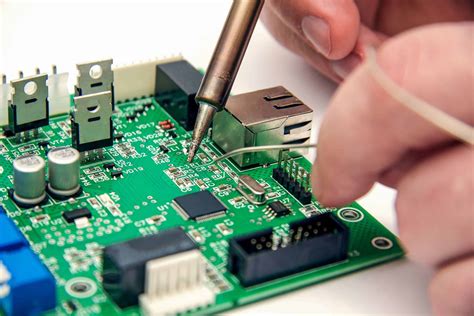
- Consumer Electronics: EMI shielding is essential in consumer electronics such as smartphones, laptops, and televisions to ensure proper functioning and compliance with regulatory standards. Shielding is often incorporated into the design of circuit boards, cables, and enclosures.
- Automotive Industry: Modern vehicles are equipped with a growing number of electronic systems, including infotainment systems, navigation systems, and advanced driver-assistance systems (ADAS). EMI shielding is critical to protect these systems from interference and ensure the safety and reliability of the vehicle.
- Aerospace and Defense: In aerospace and defense applications, EMI shielding is used to protect sensitive electronic equipment from the harsh electromagnetic environment, including interference from radar systems, communication equipment, and other electronic devices. Shielding is also important to ensure the proper functioning of avionics and navigation systems.
- Medical Devices: Medical devices, such as MRI machines, pacemakers, and diagnostic equipment, are highly sensitive to electromagnetic interference. EMI shielding is used to protect these devices from external interference and to prevent them from emitting interference that could affect other devices.
- Industrial Equipment: Industrial environments often have high levels of electromagnetic noise generated by heavy machinery, motors, and power lines. EMI shielding is used to protect control systems, sensors, and other electronic equipment from interference, ensuring reliable operation.
- Telecommunications: In telecommunications, EMI shielding is used to protect communication equipment, such as antennas, routers, and switches, from interference that could degrade signal quality and disrupt communication.
Design Considerations for EMI Shielding
Designing effective EMI shielding requires careful consideration of several factors, including:
- Frequency Range: The frequency range of the interference is a critical factor in selecting the appropriate shielding materials and techniques. Different materials and designs are effective at different frequency ranges.
- Shielding Effectiveness: The required level of shielding effectiveness depends on the sensitivity of the electronic components and the severity of the electromagnetic environment. Higher levels of shielding effectiveness may require more robust materials and designs.
- Environmental Factors: Environmental factors such as temperature, humidity, and exposure to chemicals can affect the performance of EMI shielding materials. It is important to select materials that can withstand the specific environmental conditions of the application.
- Mechanical Considerations: The mechanical properties of the shielding materials, such as flexibility, durability, and ease of fabrication, must be considered to ensure that the shielding can be effectively integrated into the design of the device or system.
- Cost: The cost of materials and manufacturing processes is an important consideration, especially in high-volume production. It is important to balance the cost of shielding with the required level of performance.
Conclusion
EMI shielding is a vital aspect of modern electronics and electrical engineering, playing a crucial role in ensuring the reliable operation of electronic devices and systems. By understanding the principles of EMI shielding, the materials used, and the design considerations involved, engineers can develop effective shielding solutions that protect against electromagnetic interference and ensure compliance with regulatory standards. As technology continues to advance and the electromagnetic environment becomes increasingly complex, the importance of EMI shielding will only continue to grow.