
What is PCB Management?
Introduction to PCB Management
Printed Circuit Board (PCB) management refers to the comprehensive set of practices, processes, and systems used to oversee the entire lifecycle of PCBs from design through manufacturing to end-of-life disposal. In today’s electronics-driven world, where PCBs form the foundation of nearly all electronic devices, effective PCB management has become critical for ensuring product quality, reliability, and compliance with environmental regulations.
PCB management encompasses multiple dimensions including design data management, component procurement, manufacturing process control, quality assurance, supply chain coordination, and environmental compliance. As electronic products become more complex and regulations more stringent, companies must implement robust PCB management systems to maintain competitiveness and meet market demands.
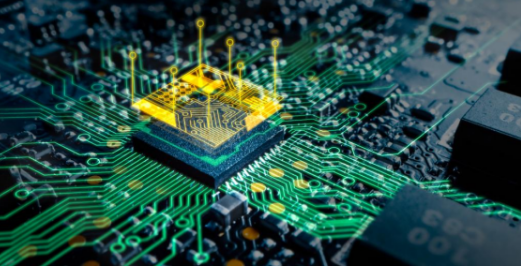
The PCB Lifecycle and Management Requirements
Understanding PCB management requires examination of the complete PCB lifecycle, which typically includes six key phases:
- Design and Development: This initial phase involves schematic capture, PCB layout, simulation, and design verification. Effective management at this stage ensures design accuracy, manufacturability, and compliance with technical specifications.
- Component Sourcing and Procurement: PCB management must address the complex task of acquiring all necessary components, considering factors like availability, cost, lead times, and quality. This has become particularly challenging with global supply chain disruptions.
- Manufacturing and Assembly: Management focuses on process control, quality checks, and coordination between fabrication (PCB bare board production) and assembly (component placement and soldering) stages.
- Testing and Quality Assurance: Rigorous testing protocols must be established and managed to verify functionality, reliability, and compliance with specifications.
- Integration and Product Life: Management extends to how the PCB performs within the final product throughout its operational life, including potential field updates or modifications.
- End-of-Life and Recycling: Growing environmental concerns require proper management of PCB disposal, recycling, and compliance with regulations like RoHS (Restriction of Hazardous Substances) and WEEE (Waste Electrical and Electronic Equipment).
Key Components of PCB Management Systems
Modern PCB management systems typically incorporate several critical components:
1. Product Lifecycle Management (PLM) Software
PLM systems provide a centralized platform for managing all PCB-related data throughout the product lifecycle. These systems track design revisions, component changes, manufacturing instructions, and compliance documentation. Advanced PLM solutions integrate with computer-aided design (CAD) tools and enterprise resource planning (ERP) systems for seamless data flow.
2. Component and Supply Chain Management
With thousands of components potentially on a single PCB, management systems must maintain accurate component databases including:
- Manufacturer part numbers and specifications
- Alternate/equivalent components
- Pricing and availability data
- Lifecycle status (new, active, obsolete)
- Compliance certifications
3. Design for Manufacturing (DFM) and Design for Test (DFT)
PCB management includes implementing DFM/DFT guidelines to ensure designs can be efficiently manufactured and tested. This involves:
- Establishing standardized design rules
- Conducting manufacturability analyses
- Incorporating testability features
- Maintaining documentation for fabrication and assembly
4. Quality Management Systems (QMS)
Robust QMS processes are essential for PCB management, including:
- Inspection criteria and methods (visual, AOI, X-ray)
- Testing protocols (ICT, functional testing)
- Failure analysis procedures
- Corrective and preventive action systems
5. Environmental Compliance Management
With increasing environmental regulations, PCB management must track:
- Material declarations
- Hazardous substance content
- Recycling and disposal requirements
- Documentation for regulatory submissions
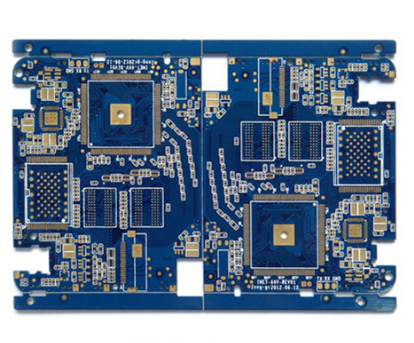
Challenges in Modern PCB Management
The evolving electronics landscape presents several challenges for PCB management:
1. Increasing Design Complexity
Modern PCBs feature:
- Higher layer counts (12+ layers becoming common)
- Finer trace widths and spacing
- High-density interconnects
- Mixed technology (through-hole, SMT, press-fit)
- Embedded components
Managing these complexities requires sophisticated tools and processes.
2. Supply Chain Volatility
Recent global events have highlighted vulnerabilities in electronics supply chains. PCB management must address:
- Component shortages and allocation
- Long lead times
- Counterfeit parts risks
- Last-time-buy decisions for obsolete parts
3. Rapid Technological Changes
Emerging technologies like:
- High-speed digital (5G, DDR5)
- Flexible and rigid-flex PCBs
- Advanced packaging (SiP, chiplets)
require continuous updates to management systems and expertise.
4. Regulatory Pressure
Increasing environmental and safety regulations demand:
- More detailed material reporting
- Restrictions on additional substances
- Extended producer responsibility
- Circular economy requirements
Best Practices in PCB Management
Leading organizations implement several best practices for effective PCB management:
1. Implement Digital Thread Connectivity
Creating a seamless digital thread from design through manufacturing to field support ensures data consistency and traceability. This involves:
- Integrating CAD, PLM, ERP, and MES systems
- Automating data transfers between systems
- Maintaining revision control across all domains
2. Standardize Processes and Documentation
Developing and enforcing standards for:
- Design rules and constraints
- Documentation formats
- Change control procedures
- Quality inspection criteria
3. Establish Component Management Strategy
Effective strategies include:
- Approved vendor lists (AVLs)
- Component standardization programs
- Obsolescence monitoring systems
- Alternate source qualification processes
4. Implement Robust Change Management
Given the complexity of PCB-based products, rigorous change management is essential:
- Impact analysis for all changes
- Cross-functional review teams
- Version control and traceability
- Field update planning for deployed products
5. Adopt Data Analytics and AI
Advanced organizations are leveraging:
- Predictive analytics for supply chain risks
- Machine learning for quality optimization
- AI-assisted component selection
- Data-driven design improvements.
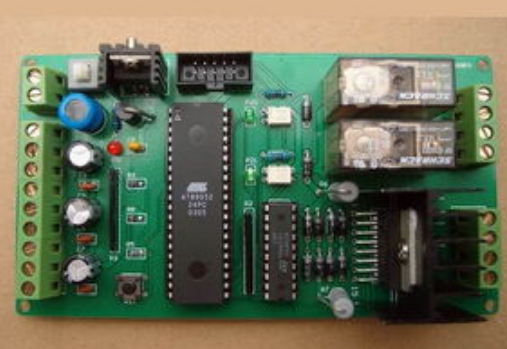
The Future of PCB Management
Several trends are shaping the future of PCB management:
1. Increased Automation
More aspects of PCB management will become automated through:
- AI-driven design tools
- Automated component selection
- Smart manufacturing systems
- Autonomous quality inspection
2. Cloud-Based Collaboration
Cloud platforms will enable:
- Real-time global collaboration
- Distributed design teams
- Supply chain visibility
- Remote manufacturing oversight
3. Digital Twin Technology
Creating digital twins of PCBs will allow:
- Virtual testing and validation
- Performance simulation
- Predictive maintenance
- Lifecycle monitoring
4. Enhanced Sustainability Focus
PCB management will increasingly incorporate:
- Carbon footprint tracking
- Circular design principles
- Advanced recycling methods
- Green material selection tools
Conclusion
PCB management has evolved from simple documentation control to a comprehensive, technology-enabled discipline critical for success in the electronics industry. Effective PCB management systems integrate people, processes, and technologies to navigate increasing product complexity, supply chain challenges, and regulatory requirements.
Organizations that invest in robust PCB management capabilities gain competitive advantages through improved product quality, faster time-to-market, better supply chain resilience, and enhanced compliance posture. As electronic products continue to advance, PCB management will remain a key differentiator between industry leaders and followers.
The future of PCB management lies in greater digitization, intelligence, and sustainability—transforming how companies conceive, produce, and maintain the electronic foundations of modern technology. Those who master PCB management will be well-positioned to thrive in the increasingly complex world of electronics innovation.