
What Makes Proofing So Important in PCB Manufacturing?
Introduction
Printed Circuit Board (PCB) manufacturing is a complex, multi-stage process that requires precision at every step to ensure the final product meets exact specifications. Among the various quality control measures, proofing stands out as one of the most critical stages in PCB production. Proofing, also known as prototyping or sample testing, refers to the process of creating and evaluating preliminary versions of a PCB before full-scale production begins. This article explores why proofing is so essential in PCB manufacturing, examining its role in design validation, error detection, cost efficiency, performance optimization, and ultimately, in delivering reliable electronic products to market.
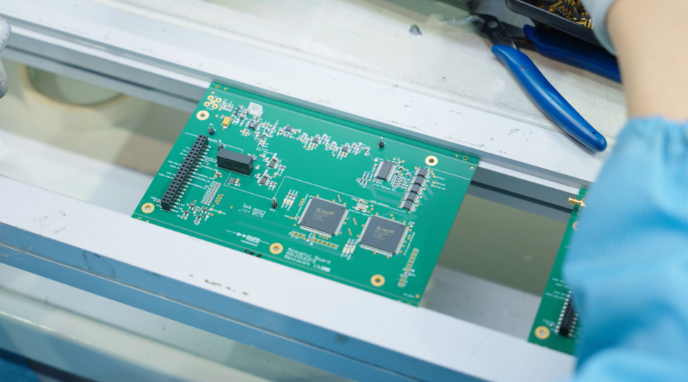
The Proofing Process in PCB Manufacturing
Before delving into its importance, it’s essential to understand what proofing entails in the context of PCB production. The proofing stage typically occurs after the design phase but before mass production. It involves creating a small batch of PCBs (often just 5-10 units) that are built to the exact specifications of the final design. These prototypes undergo rigorous testing to evaluate various aspects:
- Design Verification: Checking if the physical board matches the design files
- Functionality Testing: Ensuring all circuits operate as intended
- Manufacturability Assessment: Identifying potential production challenges
- Performance Evaluation: Testing under different environmental conditions
- Compliance Checking: Verifying adherence to industry standards
The proofing process may reveal issues that require design modifications, which are then incorporated before proceeding with full production. This iterative approach helps catch problems early when they are easier and less expensive to fix.
Key Reasons Why Proofing is Critical in PCB Manufacturing
1. Design Validation and Error Detection
Perhaps the most fundamental importance of proofing lies in its ability to validate designs and detect errors before mass production begins. No matter how thorough the design process or how advanced the design software, there’s always the possibility of human error or unforeseen complications when moving from digital designs to physical boards.
Proofing helps identify various types of design flaws:
- Circuitry Errors: Short circuits, open circuits, or incorrect connections
- Component Placement Issues: Interference, incorrect spacing, or orientation problems
- Signal Integrity Problems: Crosstalk, impedance mismatches, or electromagnetic interference
- Thermal Management Issues: Inadequate heat dissipation or hot spots
- Mechanical Fit Problems: Dimensions that don’t match the intended enclosure
By catching these issues at the proofing stage, manufacturers can avoid the much more costly scenario of discovering defects after thousands of boards have been produced.
2. Cost Efficiency and Risk Mitigation
Proofing represents a relatively small investment that can prevent massive financial losses. The cost of modifying a design during the proofing stage is negligible compared to the expenses associated with:
- Scrapping an entire production run of defective boards
- Reworking thousands of assembled PCBs
- Product recalls from the field
- Lost reputation and customer trust
A study by the National Institute of Standards and Technology (NIST) found that errors detected during production cost 10 times more to fix than those identified during design, while errors found after product release cost 100 times more. Proofing serves as a crucial checkpoint between design and full production, dramatically reducing these risks.
3. Performance Optimization
Proofing allows engineers to evaluate not just whether a PCB works, but how well it works. This stage provides opportunities to:
- Test the board under various operating conditions (temperature, humidity, vibration)
- Measure actual performance against design specifications
- Identify areas for improvement in signal quality, power distribution, or thermal management
- Evaluate the effectiveness of grounding and shielding strategies
These insights enable design refinements that enhance reliability, efficiency, and longevity of the final product—factors that are particularly crucial for high-performance or mission-critical applications.
4. Manufacturability Assessment
A design that looks perfect on paper might present unexpected challenges in actual production. Proofing helps identify:
- Manufacturing Constraints: Features that are difficult or impossible to produce with available equipment
- Material Compatibility Issues: Problems with substrate materials, solders, or finishes
- Yield Rate Concerns: Aspects of the design that might lead to high rejection rates
- Assembly Difficulties: Components that are hard to place or solder reliably
Addressing these issues during proofing helps streamline the manufacturing process, improve yield rates, and reduce production costs in the long run.
5. Compliance Verification
Many PCB applications must meet stringent industry standards and regulatory requirements (IPC, UL, IEEE, etc.). Proofing provides an opportunity to:
- Conduct pre-compliance testing
- Verify that the design meets all necessary certifications
- Identify any areas of non-compliance before committing to full production
- Gather documentation and test results needed for certification processes
This is particularly important for products in regulated industries like medical devices, aerospace, or automotive electronics.
6. Supply Chain Validation
Proofing also serves to validate the entire supply chain, including:
- Component availability and lead times
- Compatibility of sourced materials
- Performance of alternative components (when originals are unavailable)
- Quality of suppliers’ materials and parts
This verification can prevent production delays and quality issues that might arise from supply chain problems.
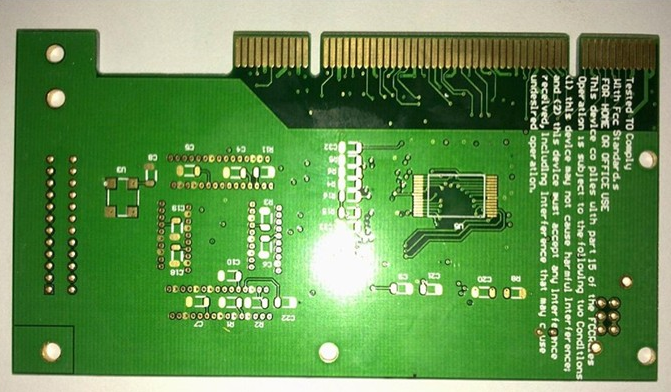
Advanced Proofing Techniques in Modern PCB Manufacturing
As PCB technology advances, so do proofing methodologies. Modern proofing techniques include:
- 3D Printed Prototypes: For evaluating mechanical aspects of complex PCB designs
- Bare Board Testing: Extensive electrical testing of unpopulated boards
- Accelerated Life Testing: Stress testing under extreme conditions
- Signal Integrity Analysis: Using specialized equipment to analyze high-speed signals
- Thermal Imaging: Identifying hot spots and thermal management issues
- EMC/EMI Testing: Evaluating electromagnetic compatibility and interference
These advanced techniques provide deeper insights during the proofing stage, further enhancing the quality and reliability of the final product.
The Economic Impact of Effective Proofing
While proofing adds an additional step and cost to the PCB manufacturing process, its economic benefits far outweigh these initial investments:
- Reduced Scrap Rates: Fewer defective boards in full production
- Lower Rework Costs: Minimizing post-production modifications
- Faster Time-to-Market: Identifying and resolving issues early prevents delays
- Higher Product Quality: Leading to greater customer satisfaction and fewer returns
- Enhanced Reputation: Consistent delivery of reliable products strengthens brand value
In highly competitive electronics markets, these factors can make the difference between commercial success and failure.
Conclusion
Proofing in PCB manufacturing is not merely an optional extra—it’s an essential quality gate that protects against costly errors, ensures product reliability, and ultimately safeguards a company’s reputation. By validating designs, detecting errors early, optimizing performance, and verifying manufacturability, proofing serves as the critical bridge between design and production. As PCBs become more complex with higher component densities, faster signals, and stricter performance requirements, the role of thorough proofing becomes even more vital. Manufacturers who invest in comprehensive proofing processes position themselves to deliver superior products, minimize risks, and maintain competitiveness in the fast-paced electronics industry. In the intricate world of PCB manufacturing, proofing isn’t just important—it’s indispensable.