
Why Does PCB Develop Copper Patina (Green Corrosion)?
Introduction
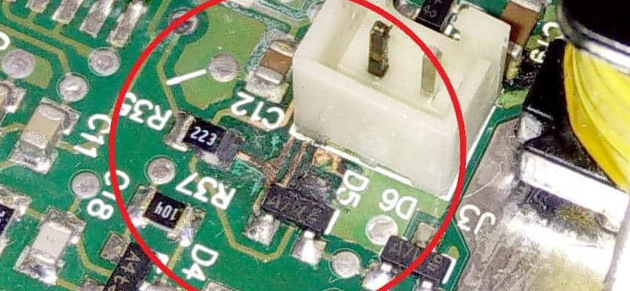
Printed Circuit Boards (PCBs) are essential components in modern electronics, providing mechanical support and electrical connections for various electronic parts. Over time, PCBs may develop a greenish or bluish discoloration, commonly referred to as “copper patina” or “green corrosion.” This phenomenon is primarily due to the oxidation and chemical reactions of copper traces exposed to environmental factors such as moisture, oxygen, and contaminants.
Understanding why this happens is crucial for improving PCB design, manufacturing processes, and long-term reliability. This article explores the causes of copper patina formation, its impact on PCB performance, and potential prevention methods.
1. The Chemistry Behind Copper Patina
Copper is widely used in PCBs due to its excellent electrical conductivity and cost-effectiveness. However, copper is also highly reactive, especially in the presence of oxygen, moisture, and certain chemicals. The green patina seen on PCBs is primarily a result of copper oxidation and subsequent chemical reactions.
1.1 Initial Oxidation: Formation of Copper Oxide
When exposed to air, copper reacts with oxygen to form copper oxide (Cu₂O or CuO), which appears as a dark brown or black layer. This initial oxidation occurs even in dry conditions but accelerates in humid environments.
1.2 Reaction with Moisture and Carbon Dioxide
In the presence of moisture (H₂O) and carbon dioxide (CO₂), copper oxide further reacts to form copper carbonate (Cu₂(OH)₂CO₃), also known as verdigris. This compound is responsible for the characteristic greenish-blue color seen on corroded PCBs.
The chemical reaction can be summarized as:
[ 2Cu + H₂O + CO₂ + O₂ → Cu₂(OH)₂CO₃ ]
1.3 Influence of Chlorides and Sulfur Compounds
In harsh environments (e.g., coastal areas with saltwater exposure or industrial zones with sulfur pollutants), copper can react with chloride ions (Cl⁻) or sulfur compounds (H₂S, SO₂) to form copper chloride (CuCl₂) or copper sulfide (CuS). These compounds contribute to accelerated corrosion and may lead to electrical failures.
2. Factors Contributing to Copper Patina on PCBs
Several factors influence the rate and extent of copper corrosion on PCBs:
2.1 Environmental Exposure
- Humidity & Condensation: High humidity accelerates oxidation and electrochemical reactions. Condensation can create localized corrosion spots.
- Temperature Fluctuations: Thermal cycling can cause expansion and contraction, leading to microcracks in protective layers, exposing copper to corrosion.
- Pollutants: Industrial gases (sulfur dioxide, nitrogen oxides) and salt spray near coastal regions accelerate corrosion.
2.2 PCB Manufacturing & Design Issues
- Inadequate Surface Finishes: Bare copper PCBs are highly susceptible to oxidation. Common protective finishes include:
- HASL (Hot Air Solder Leveling) – Provides a tin-lead coating but may not cover all areas uniformly.
- ENIG (Electroless Nickel Immersion Gold) – Offers excellent corrosion resistance but is costly.
- OSP (Organic Solderability Preservative) – A thin organic layer that degrades over time.
- Immersion Silver/Tin – Prevents oxidation but can tarnish under certain conditions.
- Poor Conformal Coating Application: If the protective coating is uneven or damaged, copper traces remain exposed.
- Residues from Etching or Cleaning: Leftover flux, acids, or cleaning agents can promote corrosion.
2.3 Electrical Factors
- Galvanic Corrosion: When dissimilar metals (e.g., copper and gold-plated contacts) are in contact in a humid environment, electrochemical reactions can accelerate corrosion.
- Electrolytic Migration: DC leakage currents in humid conditions can cause copper ion migration, leading to dendrite growth and short circuits.
3. Effects of Copper Patina on PCB Performance
While the green patina itself may not always cause immediate failure, it can lead to several reliability issues:
- Increased Electrical Resistance: Corrosion products are less conductive, leading to poor signal integrity.
- Short Circuits: Copper dendrites or conductive corrosion byproducts can bridge adjacent traces.
- Mechanical Weakness: Corrosion can weaken copper traces, leading to cracks or breaks.
- Solderability Issues: Oxidized copper surfaces make soldering difficult, affecting repair and assembly processes.
4. Prevention and Mitigation Strategies
To minimize copper patina formation, PCB manufacturers and designers employ several strategies:
4.1 Protective Surface Finishes
- ENIG (Electroless Nickel Immersion Gold): Provides a robust barrier against oxidation.
- Immersion Silver/Tin: Cheaper than ENIG but requires proper storage to prevent tarnishing.
- OSP (Organic Solderability Preservative): Suitable for short-term protection but degrades over time.
4.2 Conformal Coatings
- Acrylic, Silicone, or Polyurethane Coatings: Protect PCBs from moisture and contaminants.
- Parylene Coating: Offers superior protection but is expensive.
4.3 Environmental Control
- Humidity-Controlled Storage: PCBs should be stored in dry conditions (<40% RH).
- Desiccant Packs & Vacuum Sealing: Used for long-term storage of sensitive PCBs.
4.4 Proper Cleaning & Handling
- No-Clean Fluxes: Reduce the need for aggressive cleaning agents that may leave residues.
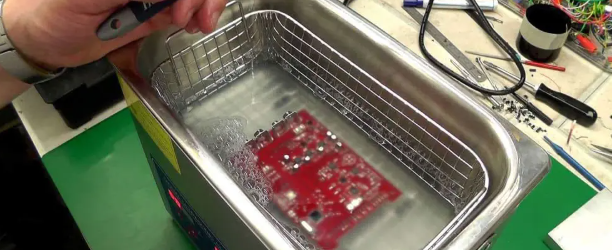
- Isopropyl Alcohol (IPA) Cleaning: Removes flux residues without damaging the PCB.
4.5 Design Considerations
- Avoiding Stagnant Moisture Traps: Proper PCB layout with drainage paths reduces moisture retention.
- Corrosion-Resistant Materials: Using higher-grade substrates (e.g., FR-4 with improved moisture resistance).
5. Conclusion
Copper patina (green corrosion) on PCBs is primarily caused by the oxidation of copper in the presence of moisture, oxygen, and environmental pollutants. While some level of oxidation is inevitable, proper surface finishes, conformal coatings, and environmental controls can significantly reduce its occurrence.
Understanding the root causes and implementing preventive measures during PCB design, manufacturing, and storage ensures long-term reliability and performance of electronic devices. As PCBs continue to evolve with advanced materials and coatings, the industry is moving toward even more corrosion-resistant solutions for harsh environments.
By addressing these factors, manufacturers can extend PCB lifespan, reduce failure rates, and improve the overall durability of electronic systems.