
Why Special Surface Treatment is Essential for PCBs
Introduction
Printed Circuit Boards (PCBs) form the foundation of modern electronics, providing the physical platform to mount and interconnect electronic components. While the internal copper layers and substrate materials are crucial for a PCB’s functionality, the surface treatment of exposed copper areas plays an equally vital role in the board’s performance, reliability, and longevity. This article explores the multifaceted reasons why special surface treatment of PCB surfaces is not just beneficial but essential in contemporary electronics manufacturing.
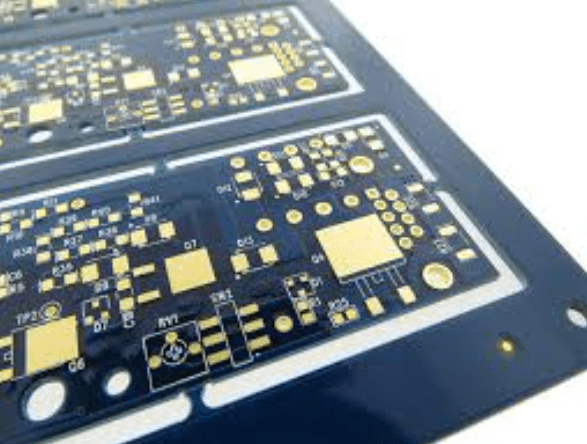
1. Protection Against Oxidation
Copper, while an excellent conductor, is highly susceptible to oxidation when exposed to air and moisture. This natural oxidation process creates several problems for PCBs:
1.1 Copper Oxidation Mechanism
When bare copper is exposed to oxygen, it forms copper oxide (Cu₂O and CuO) on its surface. This oxide layer:
- Increases contact resistance
- Reduces solderability
- Creates inconsistent surface properties
1.2 Impact on PCB Performance
Oxidized copper surfaces lead to:
- Poor electrical connections
- Increased signal loss at high frequencies
- Difficulty in component soldering during assembly
- Potential long-term reliability issues
1.3 Solution Through Surface Treatment
Surface treatments create a protective barrier that:
- Prevents direct copper-oxygen contact
- Maintains surface conductivity
- Preserves solderability over time
- Extends shelf life before assembly
Common anti-oxidation treatments include Organic Solderability Preservative (OSP), immersion silver, and immersion tin.
2. Enhancing Solderability
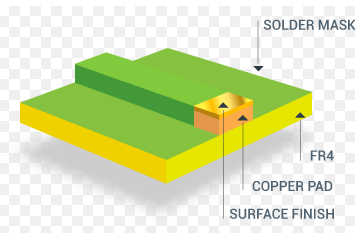
One of the primary functions of PCB surface treatment is to facilitate and improve the soldering process during component assembly.
2.1 Challenges with Bare Copper Soldering
- Bare copper requires high temperatures for proper soldering
- Oxide formation between manufacturing and assembly reduces wettability
- Inconsistent solder joint formation
2.2 How Surface Treatments Improve Soldering
Different surface treatments offer various soldering advantages:
2.2.1 HASL (Hot Air Solder Leveling)
- Pre-tins the surface with solder
- Provides excellent wettability
- Suitable for through-hole components
2.2.2 ENIG (Electroless Nickel Immersion Gold)
- Nickel acts as a diffusion barrier
- Gold provides excellent oxidation resistance
- Creates flat surface for fine-pitch components
2.2.3 Immersion Silver
- Offers excellent solderability
- Suitable for press-fit connections
- Good for high-frequency applications
2.3 Impact on Manufacturing Yield
Proper surface treatment:
- Reduces soldering defects
- Minimizes rework
- Improves first-pass yield in assembly
3. Improving Electrical Performance
Surface treatments significantly influence the electrical characteristics of PCBs, especially in high-frequency applications.
3.1 Skin Effect Considerations
At high frequencies, current flows primarily on the conductor surface (skin effect). Surface treatments affect:
- Surface roughness and signal loss
- High-frequency impedance
- Signal integrity
3.2 Comparative Performance of Treatments
- ENIG: Excellent for RF/microwave due to smooth gold surface
- OSP: Minimal impact on high-frequency performance
- Immersion Silver: Good high-frequency characteristics with lower cost than ENIG
3.3 Contact Resistance
Proper surface treatments:
- Maintain low contact resistance
- Prevent intermittent connections
- Ensure reliable signal transmission
4. Enabling Wire Bonding
Advanced packaging and high-density interconnects often require wire bonding, which demands specific surface properties.
4.1 Wire Bonding Requirements
- Ultra-clean surfaces
- Appropriate hardness for bond formation
- Compatibility with gold or aluminum wires
4.2 Suitable Surface Treatments
- Electrolytic Gold: Thick gold layer for multiple bonds
- ENIG: Suitable for some bonding applications
- OSP: Generally not suitable for bonding
4.3 Bonding Reliability Factors
Surface treatment affects:
- Bond strength
- Long-term reliability
- Resistance to intermetallic formation
5. Facilitating PCB Assembly Processes
Modern PCB assembly involves multiple processes that require specific surface characteristics.
5.1 Press-Fit Connections
- Requires durable, oxidation-resistant surfaces
- Immersion silver and hard gold often preferred
- Must withstand mechanical insertion forces
5.2 Conductive Adhesives
Some assemblies use conductive adhesives instead of solder:
- Surface treatment must be compatible with adhesive chemistry
- Silver-filled adhesives work well with silver or gold surfaces
5.3 Testing and Probing
Surface treatments affect testability:
- Need for consistent contact resistance
- Durability against test probes
- Wear resistance for multiple test cycles
6. Meeting Environmental Requirements
Modern electronics must comply with stringent environmental regulations, influencing surface treatment choices.
6.1 RoHS Compliance
- Elimination of lead-based HASL in many applications
- Lead-free alternatives like ENIG, OSP, and immersion silver
6.2 Corrosion Resistance
- Protection against sulfur, chlorine, and other corrosive elements
- Important for harsh environment applications
6.3 Halogen-Free Requirements
Some treatments can help meet halogen-free standards for certain applications
7. Enabling Advanced Packaging Technologies
Emerging packaging technologies demand sophisticated surface treatments.
7.1 Flip-Chip Technology
- Requires extremely flat surfaces
- Precise control of surface metallurgy
- ENIG and electrolytic nickel/gold often used
7.2 Chip-on-Board (COB)
- Direct die attachment requirements
- Compatibility with die-attach materials
- Thermal management considerations
7.3 3D Packaging
- Vertical interconnection needs
- Compatibility with multiple bonding processes
- Intermetallic diffusion control
8. Extending Product Lifetime
Proper surface treatment significantly impacts the long-term reliability of electronic products.
8.1 Corrosion Prevention
- Blocks environmental contaminants
- Precludes electrochemical migration
- Maintains electrical integrity over time
8.2 Wear Resistance
Important for:
- Connector contacts
- Switching contacts
- Test points
8.3 Thermal Cycling Performance
Different treatments affect:
- Intermetallic growth
- Thermal stress resistance
- Mechanical stability of joints
9. Cost Considerations in Surface Treatment
While surface treatment adds cost, it provides significant value through:
9.1 Total Cost of Ownership
- Higher initial cost vs. long-term savings
- Reduced field failures
- Lower warranty claims
9.2 Treatment Selection Factors
- Volume production considerations
- Equipment requirements
- Chemical costs and disposal
9.3 Process Optimization
- Combining multiple requirements in single treatment
- Minimizing gold thickness where possible
- Alternative treatments for cost-sensitive applications
10. Future Trends in PCB Surface Treatment
Emerging technologies are driving new developments in surface treatments.
10.1 High-Speed Digital Applications
- Ultra-low loss materials
- Super-smooth surfaces
- Advanced metallic coatings
10.2 Flexible Electronics
- Treatments for flexible substrates
- Bendable metallic layers
- Adhesion promoters
10.3 Sustainable Treatments
- Reduced chemical usage
- Biodegradable options
- Lower environmental impact processes
Conclusion
The surface treatment of PCBs is far from a mere finishing step—it’s a critical engineering decision that affects virtually every aspect of board performance, manufacturability, and reliability. From preventing copper oxidation to enabling advanced packaging technologies, surface treatments solve multiple challenges simultaneously. As electronic devices continue to evolve, becoming more complex, miniaturized, and performance-demanding, the importance of proper PCB surface treatment only grows. Engineers must carefully consider their surface treatment options based on the specific requirements of each application, balancing technical needs with cost and environmental considerations. The right surface treatment can mean the difference between a reliable, high-performance product and one plagued with field failures—making this often-overlooked aspect of PCB manufacturing absolutely essential to modern electronics.