
How Much Do You Know About PCB Aging Testing?
Introduction to PCB Aging
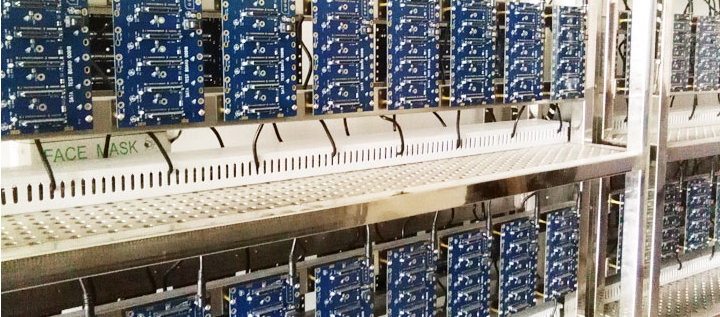
Printed Circuit Board (PCB) aging testing is a critical process in the electronics manufacturing industry that evaluates how a PCB will perform over time under various environmental stresses. This essential quality assurance procedure helps manufacturers identify potential failure points, estimate product lifespan, and ensure reliability before products reach consumers. As electronic devices become increasingly sophisticated and are expected to operate reliably for years in diverse environments, understanding PCB aging testing has never been more important for engineers, designers, and quality assurance professionals.
PCB aging refers to the gradual degradation of a circuit board’s materials and components over time due to environmental factors such as temperature fluctuations, humidity, mechanical stress, and electrical load. Aging testing accelerates these natural processes in a controlled laboratory environment to predict long-term performance and identify weaknesses in design or manufacturing. The electronics industry has developed standardized testing protocols to simulate years of use within weeks or months, allowing manufacturers to make necessary improvements before mass production.
The Science Behind PCB Aging
The aging process in PCBs involves complex chemical and physical changes at the material level. Understanding these underlying mechanisms is crucial for designing effective aging tests and interpreting their results accurately.
At the molecular level, polymer materials used in PCB substrates undergo gradual changes when exposed to heat, moisture, and other environmental stresses. The epoxy resins in FR-4 boards, for instance, can experience polymer chain scission (breaking of molecular bonds) when subjected to elevated temperatures over extended periods. This degradation leads to changes in mechanical properties such as reduced flexural strength and increased brittleness.
Copper traces on PCBs face their own aging challenges. Electrochemical migration, where metal ions move between conductors under electrical bias in the presence of moisture, can create dendritic growth that leads to short circuits. Oxidation of copper surfaces can increase contact resistance over time, while thermal cycling can cause cracks in solder joints due to differences in thermal expansion coefficients between materials.
The glass transition temperature (Tg) of PCB materials plays a significant role in aging characteristics. When operating temperatures approach the Tg, the substrate material changes from a rigid to a more flexible state, accelerating aging processes. High-Tg materials have been developed specifically to withstand more demanding thermal environments.
Common PCB Aging Test Methods
Several standardized test methods have been developed to evaluate PCB aging characteristics. These tests simulate different environmental stresses that PCBs might encounter during their operational life.
Thermal Aging Tests expose PCBs to elevated temperatures for extended periods. The Arrhenius equation, which describes the temperature dependence of reaction rates, is often used to correlate accelerated aging results with real-world performance. Common thermal tests include:
- High-temperature storage life testing (typically 85°C to 150°C)
- Thermal cycling tests (alternating between extreme temperatures)
- Thermal shock tests (rapid transitions between temperature extremes)
Humidity Testing evaluates PCB performance in moist environments. Common methods include:
- 85/85 testing (85°C temperature with 85% relative humidity)
- Pressure cooker test (PCT) using highly accelerated stress conditions
- Cyclic humidity testing alternating between humid and dry conditions
Electrical Stress Testing assesses aging under operational loads:
- High-voltage bias testing
- Current cycling tests
- Power cycling to simulate on/off conditions
Mechanical Stress Tests evaluate physical durability:
- Vibration testing
- Mechanical shock testing
- Bend and flex tests for flexible PCBs
Industry Standards for PCB Aging Tests
Several international standards govern PCB aging testing to ensure consistency and reliability across the industry. These standards provide detailed test procedures, acceptance criteria, and reporting requirements.
IPC Standards developed by the Association Connecting Electronics Industries are widely recognized:
- IPC-TM-650: Test Methods Manual contains numerous PCB test procedures
- IPC-6011: Generic Performance Specification for Printed Boards
- IPC-6012: Qualification and Performance Specification for Rigid Printed Boards
IEC Standards from the International Electrotechnical Commission:
- IEC 60068: Environmental testing standards
- IEC 61189: Test methods for electrical materials and printed boards
Military and Aerospace Standards for high-reliability applications:
- MIL-PRF-31032: Performance Specification for Printed Circuit Board/Printed Wiring Board
- MIL-STD-202: Test Method Standard for Electronic and Electrical Component Parts
Automotive Standards for harsh environment applications:
- AEC-Q100: Stress Test Qualification for Integrated Circuits
- ISO 16750: Road vehicles – Environmental conditions and testing
Interpreting PCB Aging Test Results
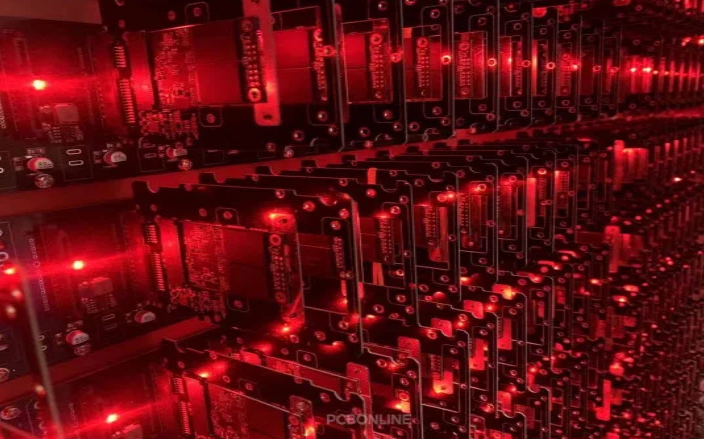
Proper interpretation of aging test results requires understanding both quantitative measurements and qualitative observations. Key parameters to analyze include:
Electrical Performance Changes:
- Increase in resistance of conductors
- Changes in dielectric properties
- Insulation resistance degradation
- Signal integrity measurements (impedance, crosstalk)
Physical and Mechanical Changes:
- Delamination or blistering of layers
- Solder joint integrity
- Copper peel strength reduction
- Changes in substrate dimensions (warpage)
Material Characterization:
- Fourier Transform Infrared Spectroscopy (FTIR) to identify chemical changes
- Scanning Electron Microscopy (SEM) for microstructural analysis
- Differential Scanning Calorimetry (DSC) to measure thermal properties
Statistical analysis is crucial for interpreting aging test data. Weibull analysis is commonly used to predict failure rates and estimate product lifetime based on accelerated aging results. The activation energy derived from Arrhenius modeling helps correlate accelerated test conditions with real-world aging rates.
Advanced PCB Aging Test Techniques
As PCB technology advances, new testing methods have emerged to address modern challenges:
Highly Accelerated Life Testing (HALT) pushes products beyond their specified limits to identify failure modes and operational margins. While not a true aging test, HALT provides valuable insights into product robustness.
Highly Accelerated Stress Screening (HASS) is a production screening technique derived from HALT results to detect latent defects.
Failure Analysis Techniques complement aging tests:
- X-ray inspection for internal defects
- Acoustic microscopy for delamination detection
- Time-domain reflectometry (TDR) for locating impedance discontinuities
Condition Monitoring techniques allow for real-time assessment during aging tests:
- In-situ resistance measurements
- Embedded sensors for temperature and humidity monitoring
- Optical inspection systems for automated defect detection
The Future of PCB Aging Testing
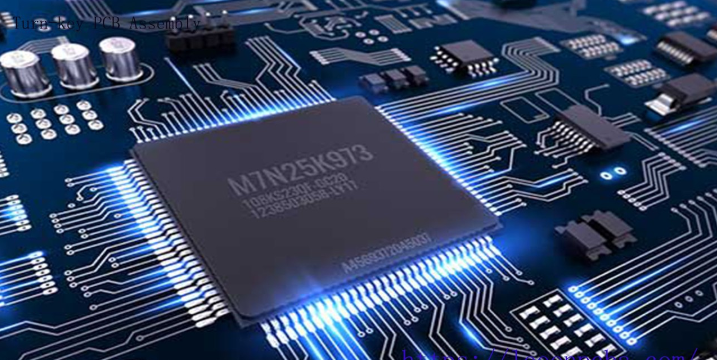
Emerging technologies and materials are driving innovation in PCB aging testing:
IoT-Enabled Testing incorporates smart sensors and wireless connectivity for real-time monitoring of aging tests, enabling more comprehensive data collection and remote test management.
Machine Learning Applications are being developed to:
- Predict aging patterns from accelerated test data
- Identify subtle correlations between multiple aging factors
- Optimize test parameters for maximum efficiency
New Material Challenges require updated testing approaches:
- High-frequency materials for 5G applications
- Flexible and stretchable electronics
- Biodegradable and sustainable PCB materials
Miniaturization Effects as components shrink to nanometer scales introduce new aging mechanisms that require specialized testing approaches.
Conclusion
PCB aging testing represents a critical bridge between product design and real-world reliability. By understanding the principles, methods, and interpretation of aging tests, engineers can make informed decisions that enhance product quality and longevity. As electronic devices continue to proliferate in increasingly demanding environments—from automotive systems to aerospace applications to medical implants—the importance of thorough PCB aging testing only grows.
The field continues to evolve with advancements in materials science, testing methodologies, and data analysis techniques. Staying current with these developments enables manufacturers to deliver products that meet rising consumer expectations for reliability while addressing new technological challenges. Ultimately, comprehensive PCB aging testing not only prevents field failures and costly recalls but also builds brand reputation and customer trust in an increasingly competitive electronics marketplace.