
PCB Manufacturing for Southeast Asia: Singapore, Malaysia, Thailand, Vietnam Markets
Southeast Asia’s electronics manufacturing market reached USD 8.15 billion in 2026, projected to hit USD 10.12 billion by 2031. Understanding regional import requirements, logistics optimization, and local manufacturing capabilities can reduce your lead time by 40% and cut total landed costs by 15-25%.
This guide reveals what PCB buyers need to know about serving Southeast Asian markets—from country-specific certifications to payment terms.
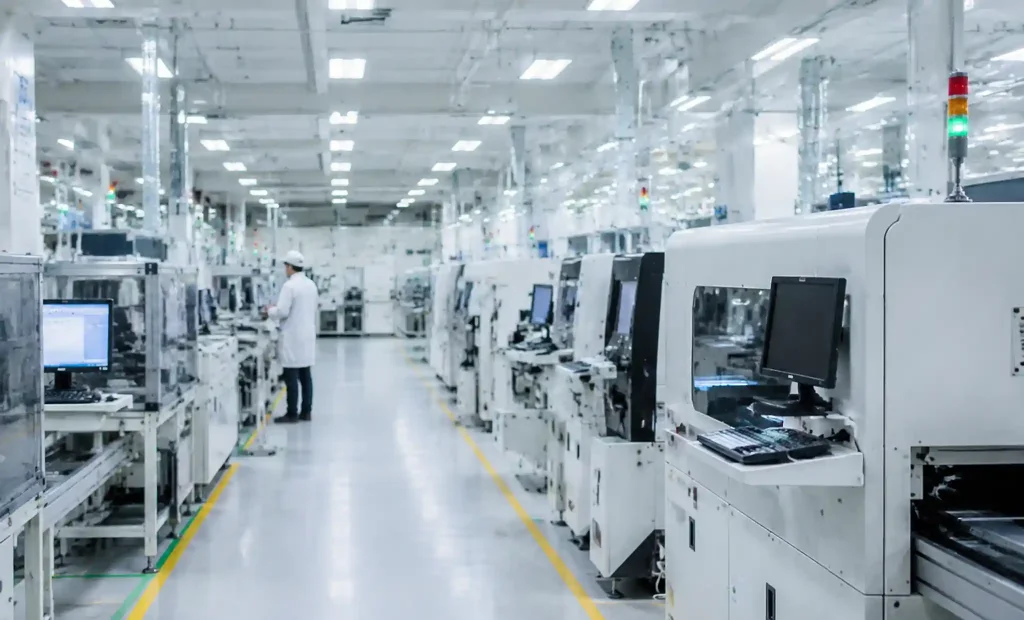
Southeast Asia PCB Market Overview
Thailand attracted $9.85 billion in PCB manufacturing investment between 2023-2026, positioning itself as ASEAN’s top PCB hub. Vietnam expands its electronics footprint with preferential trade access, while Singapore and Malaysia maintain high-tech assembly centers.
Key market drivers:
- Supply chain diversification away from single-country concentration
- Automotive electronics demand growing at 12%+ CAGR through 2026
- AI and high-performance computing applications
- EV and LED markets pushing aluminum PCB growth to 14.1% CAGR
- 5G telecommunications infrastructure expansion
The global PCB market reached $89.7 billion in 2026, with Southeast Asia capturing increasing share as manufacturers seek tariff arbitrage and geopolitical risk mitigation.
Country-by-Country Import Requirements
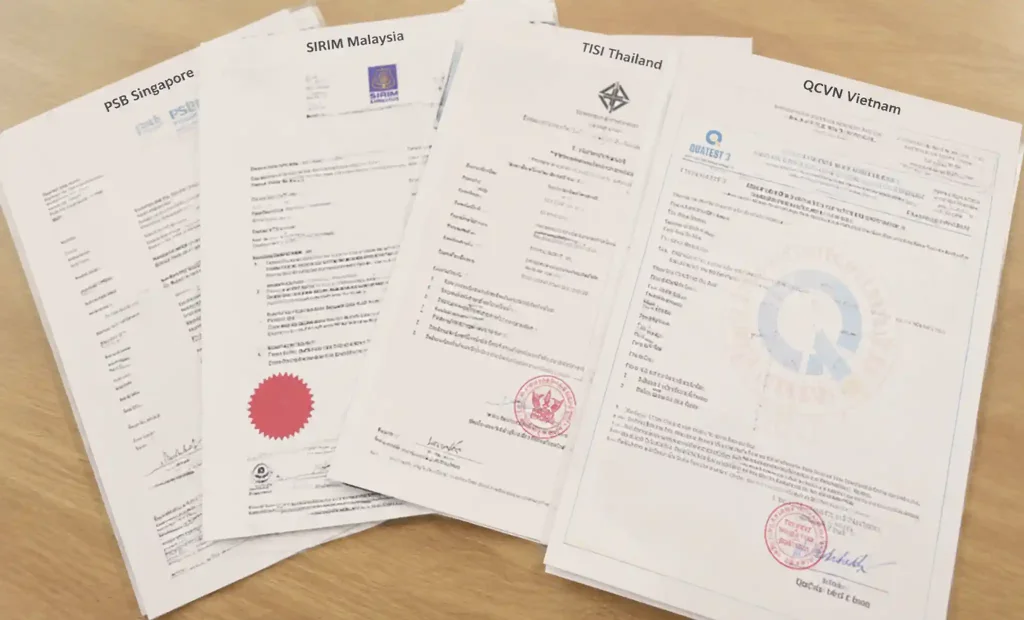
Each Southeast Asian market enforces distinct mandatory certifications that you cannot skip. Generic CE marking fails here—you need country-specific compliance.
| Country | Mandatory Certification | Authority | Key Requirements |
|---|---|---|---|
| Singapore | PSB + SS Standards | Productivity and Standards Board | Commercial electronics certification, SS compliance for components |
| Malaysia | SIRIM | Standards and Industrial Research Institute | Mandatory for electronics, semiconductor investment wave ongoing |
| Thailand | TISI + NBTC | Thai Industrial Standards Institute | TISI for industrial products, NBTC for wireless/telecom electronics |
| Vietnam | QCVN | Ministry of Science and Technology | Vietnamese National Technical Regulations, rules of origin documentation critical |
IPC standards baseline: All markets expect minimum IPC-A-610 Class 2 workmanship for assemblies, with IPC-6012 qualification for rigid boards. Medical and aerospace applications require Class 3 compliance.
Singapore: High-Tech Hub
Singapore demands PSB certification for commercial electronics and SS compliance for components. Lead times from China: 5-7 days air freight, 10-14 days sea. 30-day credit terms available for established suppliers with 6+ month order history.
Malaysia: Tariff-Free Advantage
Malaysia offers tariff-free PCB assembly for U.S. clients, delivering significant cost savings. Port Klang and Penang serve as primary entry points. Lead time from China: 12-15 days sea freight, 4-6 days air.
Thailand: ASEAN’s PCB Powerhouse
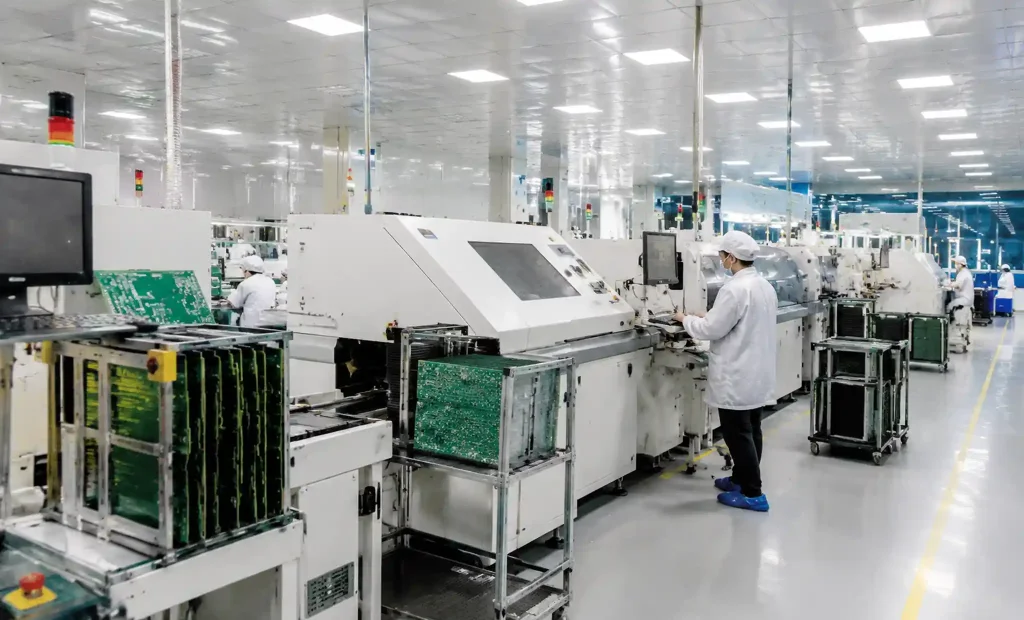
Thailand transformed into an integrated PCB manufacturing hub with THB 200 billion investment since 2022. Ventec’s new plant reached full production Q1 2026 with 150,000 sheets per month capacity. Bangkok ports offer 8-12 day sea freight, 3-5 day air from China.
Vietnam: Trade Access Hub
Vietnam combines skilled workforce and preferential market access through EVFTA. QCVN regulations require meticulous rules of origin documentation. Northern Vietnam borders enable 2-4 day truck transport from China. Haiphong and Ho Chi Minh City ports: 7-10 days sea freight.
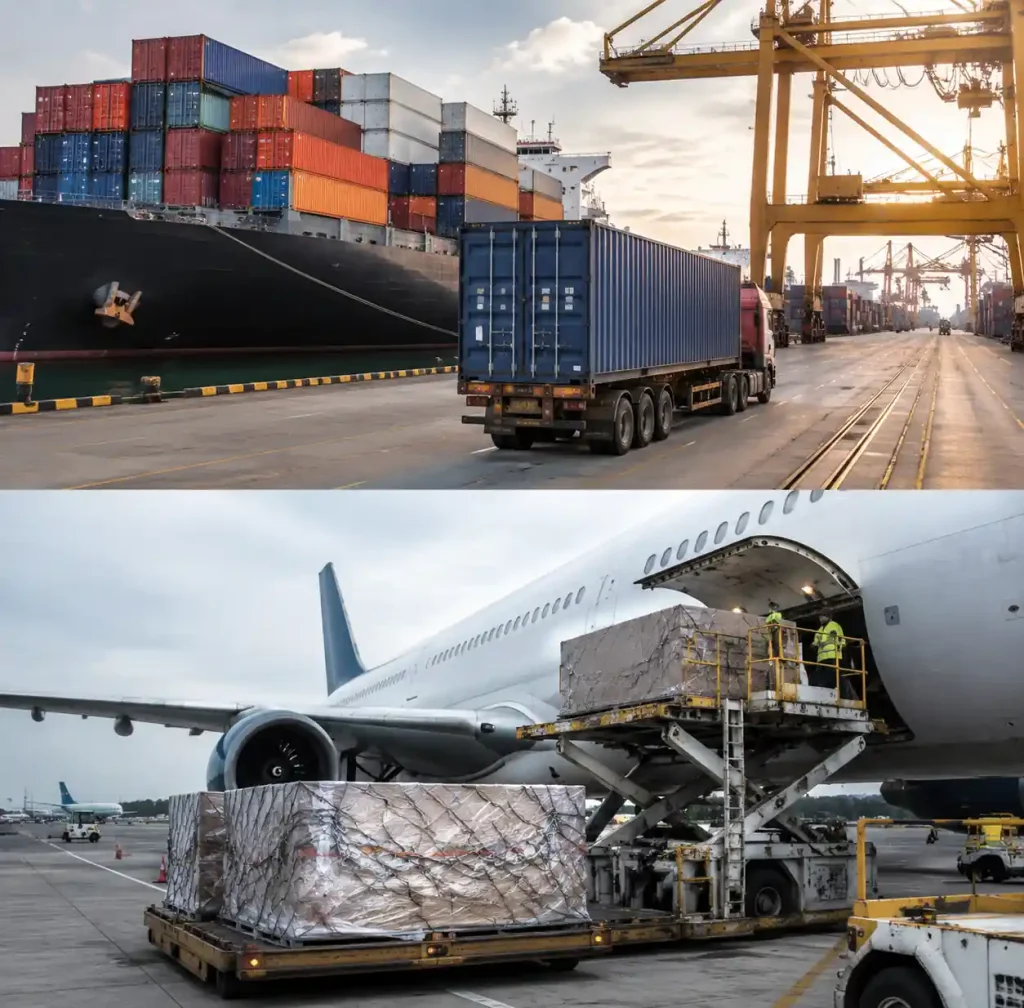
Logistics Optimization from China
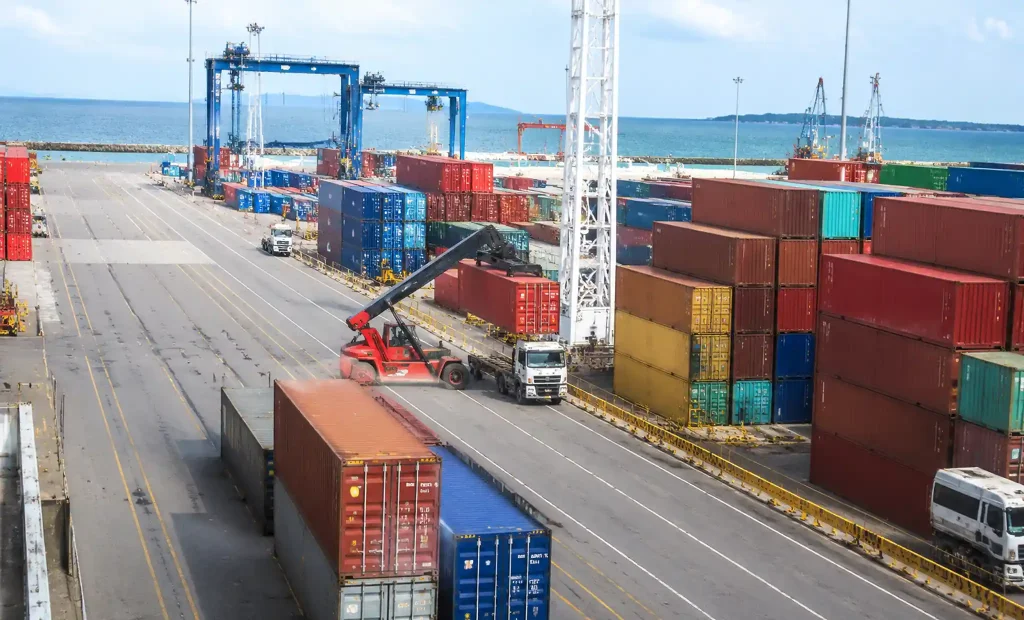
Most PCB buyers source from China then distribute regionally. Route optimization saves time and money.
| Origin (China) | Destination | Sea Freight | Air Freight | Best For |
|---|---|---|---|---|
| Shenzhen | Singapore | 5-7 days | 2-3 days | High-value, urgent orders |
| Shenzhen | Port Klang (Malaysia) | 7-10 days | 3-4 days | Bulk shipments, cost-sensitive |
| Shenzhen | Bangkok (Thailand) | 8-12 days | 3-5 days | Medium volume |
| Guangzhou | Haiphong (Vietnam) | 7-10 days | 3-4 days | Northern Vietnam |
| Shenzhen | Ho Chi Minh City | 7-10 days | 3-4 days | Southern Vietnam |
Northern Vietnam accessible via Guangxi and Yunnan borders in 2-4 days for shipments under 500kg.
Payment Terms and MOQ Standards
Southeast Asian buyers operate under payment structures based on relationship maturity.
Standard payment progression:
- New relationship (0-6 months): 50% deposit, 50% before shipment
- Established (6-12 months): 30% deposit, 70% before shipment
- Long-term partners (12+ months): 30-day credit terms
Most transactions denominated in USD. Industry sweet spot: 100-500 unit MOQs with 15-30 day lead times. Smaller runs (10-50 units) require express pricing.
Quality Standards Requirements
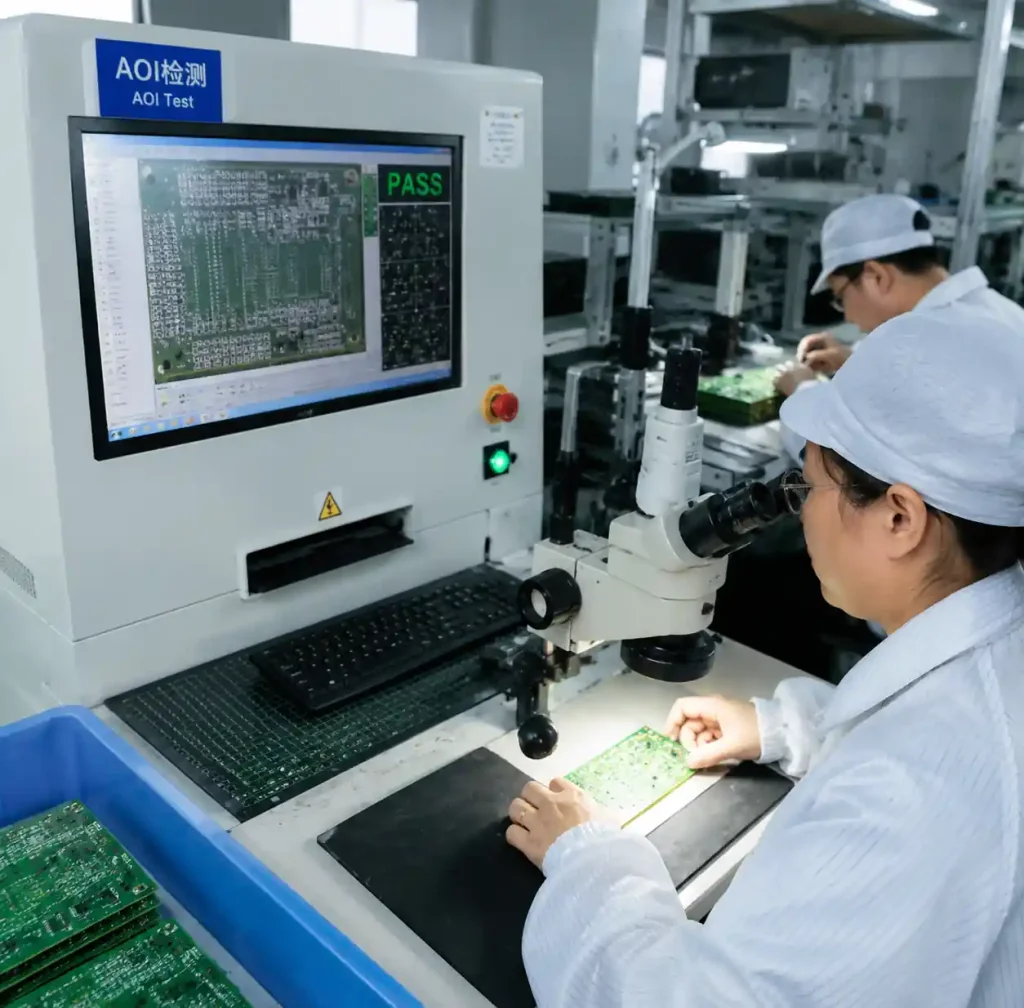
IPC standards form the baseline with country-specific additions.
Required documentation:
- IPC-A-610 Class 2 minimum (Class 3 for medical/aerospace)
- IPC-6012 qualification for rigid PCBs
- Material certifications (UL, RoHS, REACH)
- First article inspection reports
- X-ray inspection for critical assemblies
Singapore and Malaysia commonly request third-party inspection (SGS, TÜV, Intertek) for first orders. Thailand and Vietnam accept manufacturer certificates with sample verification.
Our facility maintains ISO 9001, ISO 13485 (medical), and IATF 16949 (automotive) certifications, providing IPC-A-610 Class 2/3 workmanship with 100% electrical testing.
China vs Local Sourcing Comparison
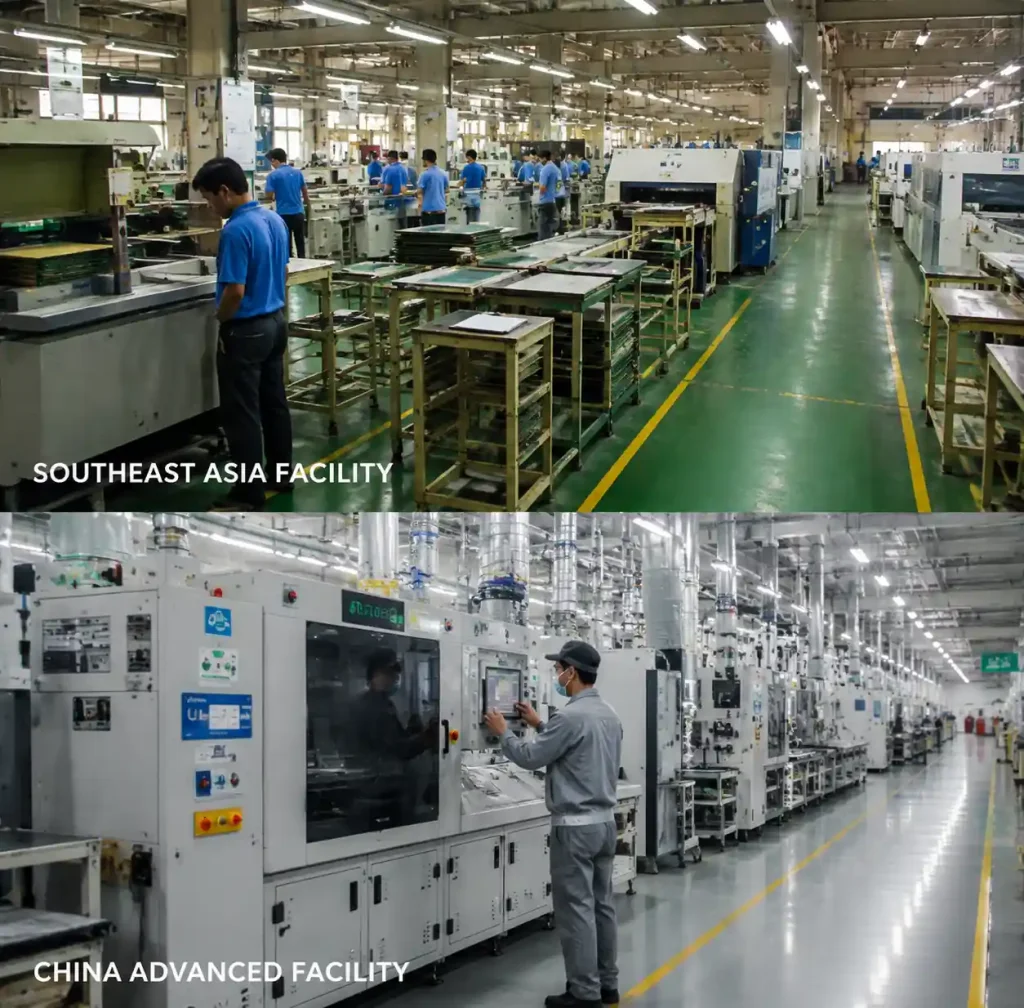
Southeast Asian buyers choose between local sourcing or China imports based on specific requirements.
| Factor | China Sourcing | Local Southeast Asia |
|---|---|---|
| Technology Range | Up to 50 layers, advanced HDI, ceramic | Typically 2-12 layers, standard HDI |
| Per-Unit Cost | Lower for 500+ units | Competitive for 1,000+ simple boards |
| Prototyping Speed | 3-5 days standard specs | 7-14 days typical |
| MOQ | 10-100 units | 50-500 units varies by shop |
| Import Duties | Applicable, varies by country | None for local production |
Hybrid model: Prototype and low-volume in China for technology access, transition to regional assembly for localized fulfillment at 1,000+ units/month. Thailand now handles complex multilayer boards previously requiring China sourcing.
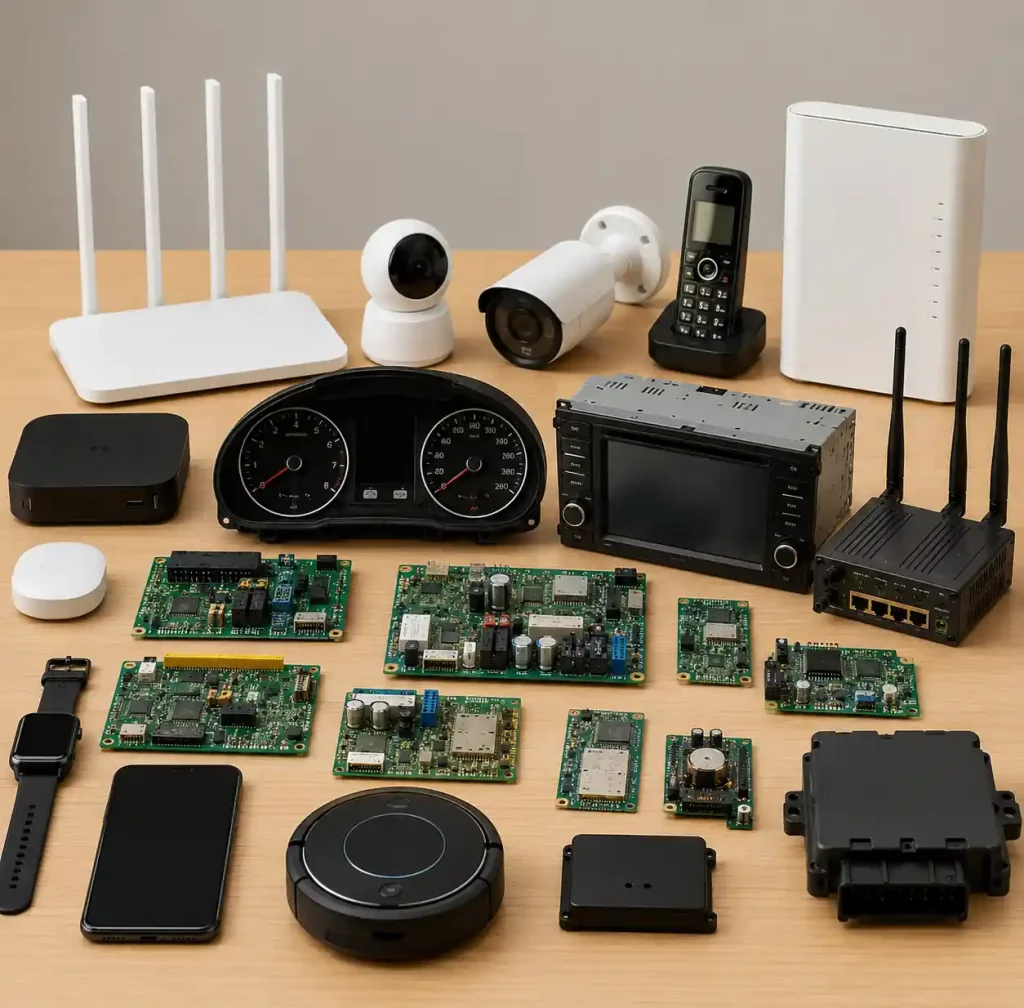
Regional Application Focus
Singapore: IoT devices, medical diagnostics, high-frequency RF boards, telecommunications infrastructure.
Malaysia: Automotive electronics (EV components), power management, industrial control, semiconductor test boards.
Thailand: LED lighting (aluminum PCBs), automotive ADAS, industrial automation, consumer electronics.
Vietnam: Consumer electronics, smart home devices, wearables, IoT sensors.
Telecommunications across all markets drives demand for controlled impedance PCBs and high-frequency materials as 5G expands.
Working with Chinese Manufacturers
Specify target market upfront: Different countries require different certifications. Vietnam needs detailed rules of origin declarations. Malaysia wants SIRIM-compliant certificates. Singapore expects full traceability.
Leverage logistics networks: Established manufacturers maintain relationships with freight forwarders specializing in Southeast Asian routes, optimizing container consolidation and customs clearance.
Consider consignment inventory: For 500+ units/month regular orders, some manufacturers offer consigned inventory in Singapore or Malaysia warehouses, reducing lead time to 1-3 days.
We serve Southeast Asian customers with quick turn PCB assembly in 7-15 days from order to delivery, including certifications and documentation.
FAQ
Q: What’s the minimum order quantity for PCBs shipped to Southeast Asia?
A: Standard FR4 multilayer boards: 10-50 units for prototypes, 100-500 units for production. Specialized PCBs (HDI, rigid-flex, metal core) require 25-100 unit minimums due to setup costs.
Q: How long does customs clearance take in each country?
A: Singapore: 1-2 days. Malaysia: 2-3 days. Thailand: 2-4 days. Vietnam: 3-5 days (longer if documentation incomplete). Experienced freight forwarders reduce delays.
Q: Can I use the same PCB specifications for all four markets?
A: Technical specifications remain the same, but compliance documentation differs by country. You need country-specific certifications, test reports, and material declarations. A single production run serves all markets with proper certificates.
Q: What payment methods work best for orders from China?
A: T/T (wire transfer) dominates for established relationships. Letter of Credit common for orders >$50,000 with new suppliers. Alibaba Trade Assurance popular for smaller buyers.
Q: Should I source locally or import from China?
A: For high-tech applications (HDI, rigid-flex, ceramic PCBs), China offers superior capabilities. For simple 2-4 layer boards at 1,000+ units/month, local Thai or Vietnamese assembly may reduce costs by 10-15%. Prototypes favor China due to faster turnaround.
Q: How do I verify a manufacturer can meet my market’s requirements?
A: Request certification copies (ISO 9001, UL, IPC), ask for customer references in your target market, verify export experience to Southeast Asia, review compliance documentation, and start with a pilot order.
Conclusion
Southeast Asia’s PCB market offers significant opportunities for manufacturers understanding regional nuances. Thailand emerges as ASEAN’s PCB powerhouse with $9.85 billion investment, while Vietnam provides trade access advantages and Singapore/Malaysia maintain high-tech infrastructure.
Success requires navigating country-specific certifications—PSB for Singapore, SIRIM for Malaysia, TISI for Thailand, QCVN for Vietnam—while optimizing logistics from Chinese hubs. Lead times of 7-15 days balance cost and speed effectively.
Andwin Circuits specializes in PCB manufacturing and PCB assembly for Southeast Asian markets, handling certifications and logistics. Our facility produces boards up to 50 layers with IPC Class 2/3 compliance. Contact us to discuss your Southeast Asian PCB requirements.