
Quick Turn PCB Prototype: 24-Hour vs 3-Day vs 5-Day Service Comparison
When your product launch window narrows from months to weeks, prototype lead time becomes the critical path. A 24-hour PCB can rescue a demo, but choosing the wrong expedite tier wastes budget or misses the deadline.
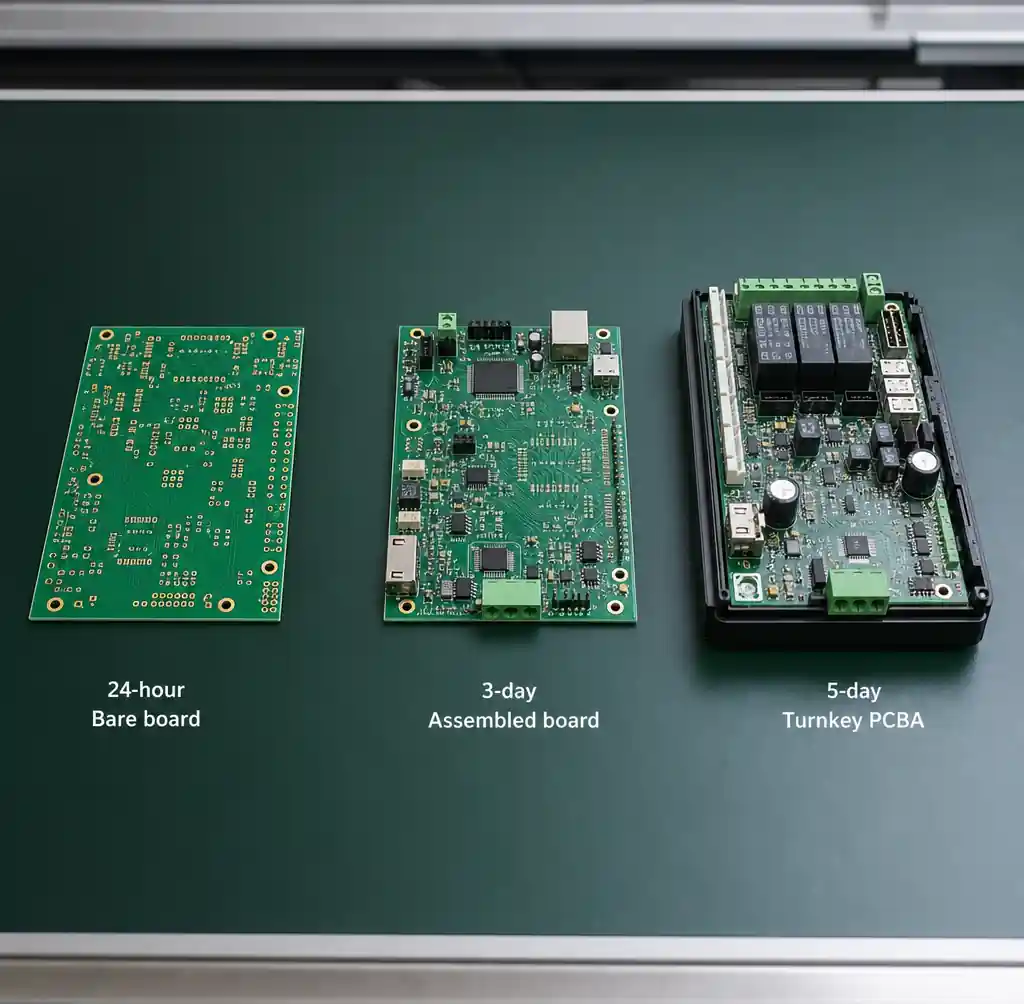
Quick turn service spans three tiers with different design limits, cost multipliers, and quality trade-offs. A 24-hour service delivers bare boards only, while 5-day turn includes assembly, testing, and conformal coating. This guide compares all three to match prototype complexity to the right turnaround window.
What Each Service Tier Delivers
The biggest mistake is assuming all quick turn quotes cover the same scope. A 24-hour service means bare-board fabrication only, with strict design limits. Assembly, if offered, adds 2-3 days and requires components in stock.
| Service Tier | Typical Scope | Layer Limit | Assembly Option | Design Complexity |
|---|---|---|---|---|
| 24-Hour | Bare board fabrication | 2-4 layers | Rarely available | Simple, standard specs only |
| 3-Day | Bare board or simple assembly | 2-8 layers | Yes, if parts in stock | Moderate, some HDI possible |
| 5-Day | Full turnkey PCBA | 2-12+ layers | Full SMT/THT assembly | Complex, HDI, impedance control |
The clock starts after DFM approval, not at checkout. Incomplete files or engineering questions pause the timeline, and shipping sits outside the quoted window. For offshore builds, add 3-7 days for transit.
24-Hour Service: Bare Boards with Strict Limits
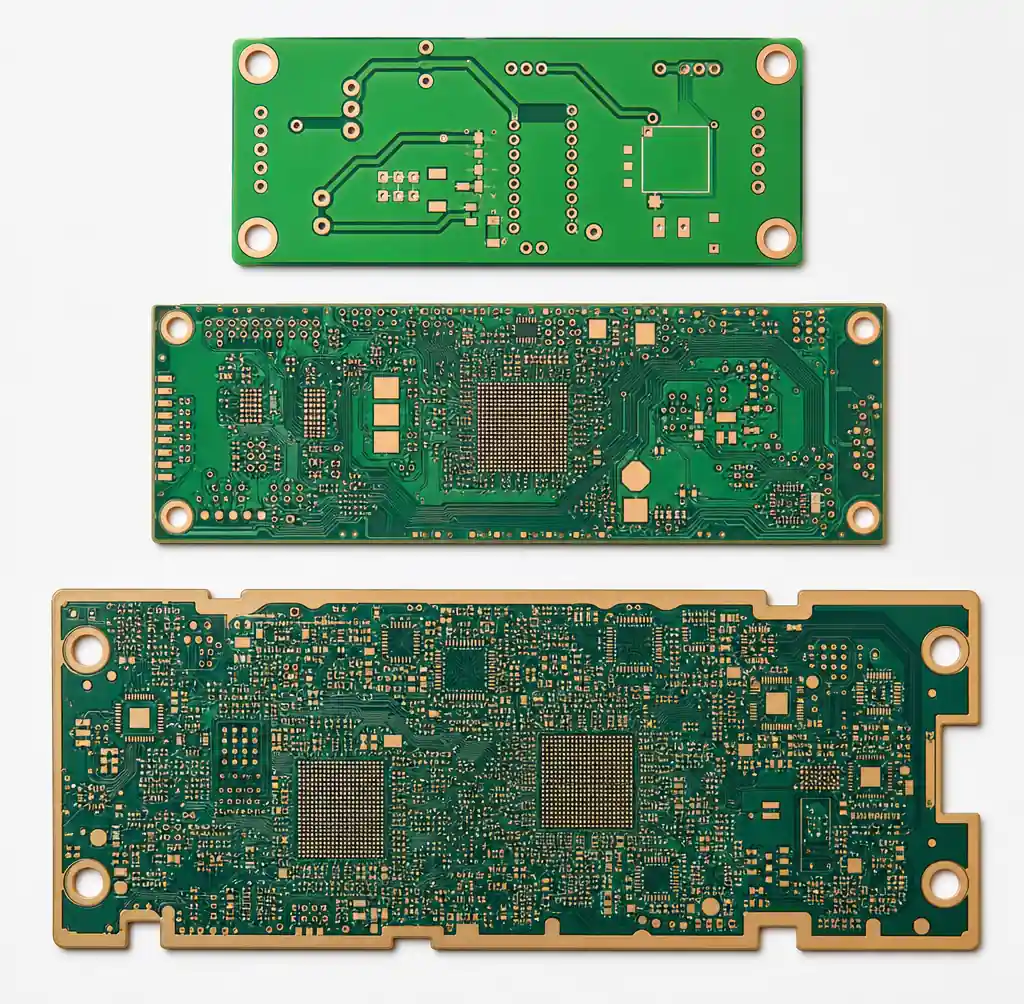
A 24-hour turn is a firefighting tool, not a standard prototyping path. It delivers bare boards only, with rigid design constraints that eliminate process steps requiring extra time.
You must design to 2-4 layers on standard FR-4 with common surface finish like ENIG or HASL. Controlled impedance, HDI microvias, buried vias, or exotic materials break the 24-hour window. Board size typically maxes around 200mm × 300mm, and minimum trace width holds at 5-6 mil instead of 3-4 mil on longer turns.
Component assembly is rarely offered in this tier. If available, it covers only single-sided SMT with pre-verified, in-stock parts. Through-hole components, double-sided assembly, or custom part procurement push you to the 3-day tier.
Cost premium runs high, typically 80-150% over standard lead times. Use 24-hour service when a missed trade show, demo, or field repair costs more than the expedite.
3-Day Service: The Prototype Sweet Spot
The 3-day tier handles most prototype needs with better balance of capability, cost, and speed. You can get bare boards up to 8 layers or assembled prototypes if components are in stock.
Design complexity opens up compared to 24-hour service. You can specify 4-8 layer stackups, basic impedance control, and finer features like 4 mil traces. Simple HDI with laser-drilled microvias is sometimes possible, depending on fabricator capability.
Assembly in the 3-day window requires advance planning. All components must be in stock or consigned by you, since procurement cannot fit in this timeline. Single or double-sided SMT assembly works well, but complex mixed-technology boards with through-hole parts push the schedule.
| Design Feature | 24-Hour | 3-Day | 5-Day |
|---|---|---|---|
| Layer count | 2-4 | 2-8 | 2-12+ |
| Impedance control | No | Basic (±10%) | Tight (±5-7%) |
| HDI microvias | No | Sometimes | Yes |
| Min trace/space | 5-6 mil | 4-5 mil | 3-4 mil |
| Assembly | Rare | Simple SMT | Full turnkey |
| Cost premium | 80-150% | 30-60% | 20-40% |
Cost premiums settle around 30-60% over standard service, reasonable for prototyping budgets. This tier works for bring-up boards, design validation, and functional testing where speed but not complexity can be compromised.
5-Day Service: Full Turnkey PCBA
The 5-day tier delivers fully assembled and tested boards with fewer design restrictions. This is the go-to service for prototypes that match production intent.
You can specify up to 12 layers or more, depending on fabricator capability. Complex HDI designs with stacked microvias, tight impedance control per IPC-2141, and advanced surface finishes all fit this window. Board size limits expand, and you can request special materials like high-Tg FR-4 or Rogers laminates for RF applications.
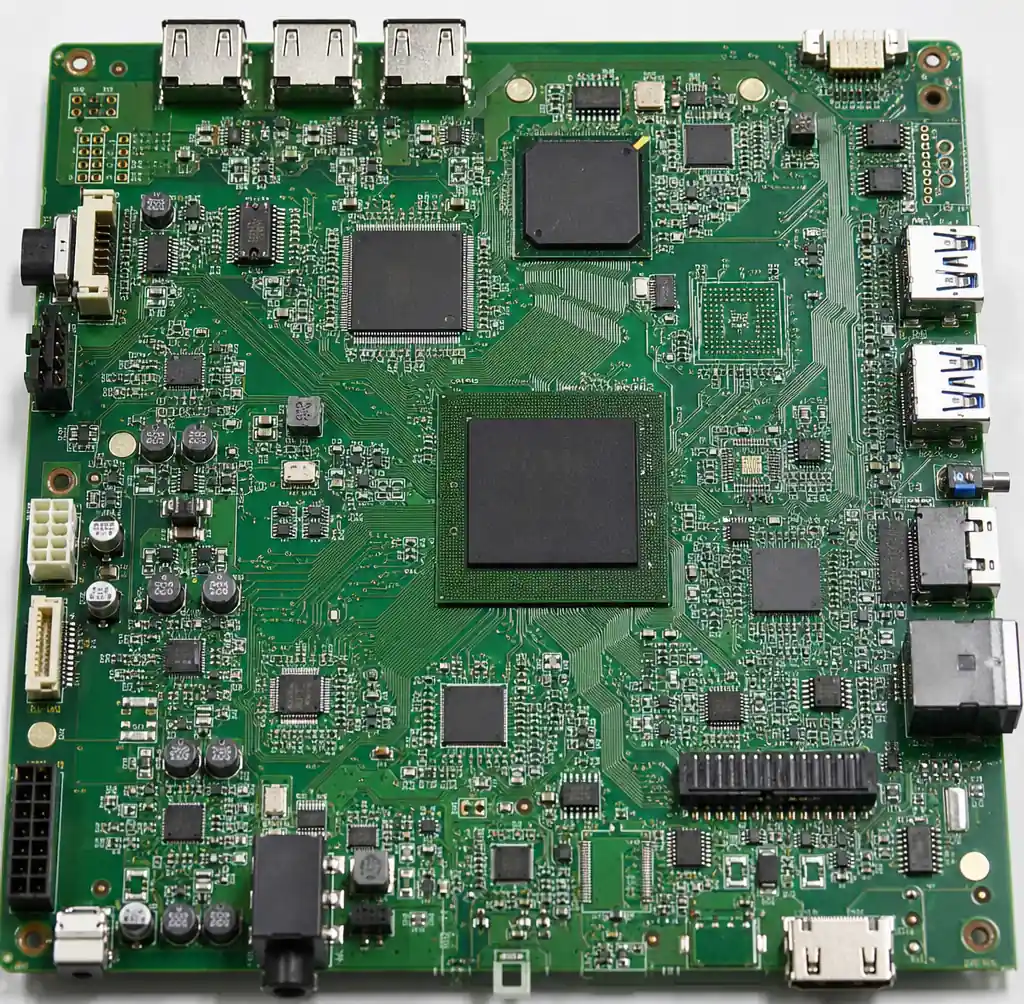
Full turnkey PCB assembly becomes practical in the 5-day tier because procurement has enough runway. The assembler can source common passives and ICs if lead times are short, though you should consign long-lead or specialized components. Mixed-technology assembly with SMT and through-hole, double-sided reflow, and functional testing fit the schedule.
Quality control steps expand as well. You can request AOI inspection, X-ray for BGA packages, flying probe electrical test, and first-article inspection per IPC-A-610 Class 2 or 3 standards. These steps add time but are critical for complex assemblies.
Cost premiums drop to 20-40% over standard service because the fabricator can optimize process flow without extreme time pressure. For most teams, this tier offers the best combination of capability, quality, and reasonable cost.
Component Sourcing: The Real Schedule Killer
Design complexity is visible and easy to plan around. Component availability breaks more quick turn schedules than other factors.
A single out-of-stock part can add 5-15 days regardless of service tier. MCU lead times in 2025-2026 hovered around 12-16 weeks for many families, and specialty power ICs stretched longer. Passives with tight tolerances or high voltage ratings also run into stock issues.
Consigned assembly, where you buy and ship all components to the assembler, eliminates procurement delay but transfers shortage risk to you. Partial turnkey, where the assembler sources commodity parts and you consign critical items, offers a middle path.
Always approve alternate components in your BOM. Lock a capacitor to a single manufacturer part number, and you risk delays when that part runs short. Mark acceptable alternates, and the assembler can substitute without waiting for approval.
For quick turn PCB assembly projects, verify component stock before placing the order. Most distributors publish real-time inventory, and a quick check saves days of schedule slip.
Design for Quick Turn: Removing Friction
Your design choices set the ceiling on how fast any service can move. The quick turn fast lane exists only for standard specifications and in-stock materials.
Keep layer count as low as your design allows. A 4-layer board with standard FR-4 and ENIG finish moves faster than an 8-layer controlled impedance design with Rogers laminate. If signal integrity analysis shows you need 6 layers instead of 8, take the simpler stackup.
Minimize unique part numbers. Every additional component adds pick-and-place feeder setup, and high part counts slow line programming and first-article verification. Prefer larger 0402 or 0603 passives over 0201 unless board space is constrained, since smaller parts require tighter placement tolerances.
Avoid design features that add process steps. Blind and buried vias, heavy copper layers, multiple surface finishes on one board, and edge plating extend fabrication time. If your prototype can function without these features, defer them to production.
Cost vs Speed: When to Pay the Premium
Standard lead time PCB fabrication optimizes cost by batching orders and maximizing equipment utilization. Quick turn dedicates resources and runs steps in parallel, and that dedication is what the premium buys.
A 24-hour expedite might cost double or more compared to a 2-week standard build. A 5-day turn typically adds 20-40%, reasonable for prototypes where engineer time costs more than board fabrication.
The expedite makes sense when the time saved unlocks downstream value. A prototype that arrives in 5 days instead of 3 weeks lets you run three design iterations in the same window. Missing a demo, trade show, or investor meeting can cost far more than any expedite fee.
Once your design freezes and you move into production ramp, revert to standard lead times. Volume orders batched on normal schedules deliver the best unit cost. For guidance on scaling from prototype to production, see our China PCB assembly guide.
Data Package: The Hidden Timeline Variable
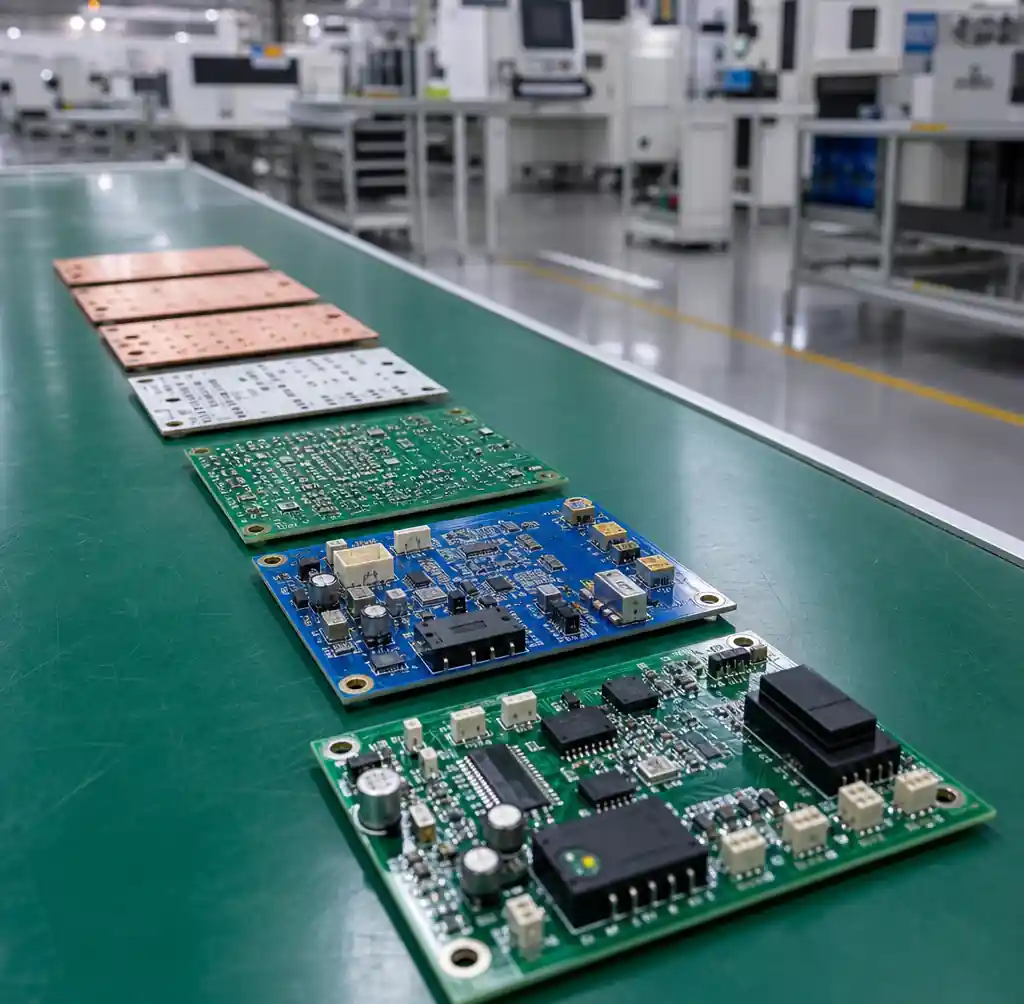
An incomplete or mismatched data package is the most common cause of schedule slip. The clock does not start until engineering review completes, and every question round costs a day.
Send a complete, single-revision package the first time. Include Gerber files plus NC drill, or a single IPC-2581 or ODB++ file that carries fabrication and netlist data together. Provide a clean BOM with valid manufacturer part numbers, reference designators, and approved alternates marked. Include the centroid file with XY position, rotation, and board side.
Add an assembly drawing with polarity marks, orientation indicators, and special assembly notes. For multilayer boards, include the stackup with layer thicknesses, copper weights, and prepreg specifications. State your target IPC-A-610 class up front so inspection criteria match expectations.
Confirm every file comes from the same design revision. Mismatched Gerbers and BOMs trigger engineering holds that can cost 1-2 days. Answer engineering questions within hours, not days, since slow responses burn the expedited advantage.
FAQs
What does “24-hour PCB” actually include?
Typically bare-board fabrication only, for 2-4 layer designs on standard FR-4 with common surface finish. Assembly is rarely offered in this tier.
Can I get impedance control or HDI on a 3-day turn?
Basic impedance control and simple HDI microvias are sometimes possible on 3-day service, but complex HDI or tight impedance tolerances fit better in the 5-day tier.
Why did my quick turn order slip past the quoted lead time?
Almost always due to component shortages or incomplete design files that triggered engineering questions. One out-of-stock part can add 5-15 days.
What is the typical cost premium for quick turn service?
24-hour service runs 80-150% over standard pricing, 3-day adds 30-60%, and 5-day adds 20-40%. Premiums vary by complexity and queue load.
Does the lead time include shipping?
No. Quoted lead times cover fabrication and assembly. Add 1-3 days for domestic shipping or 3-7 days for transit.
Can I get full turnkey assembly in 3 days?
Only if all components are in stock or consigned by you. Procurement cannot fit in a 3-day window.
Conclusion
Choosing the right quick turn tier matches your prototype complexity to realistic capability windows. A 24-hour service delivers simple bare boards only, 3-day handles moderate designs with in-stock assembly, and 5-day supports full turnkey PCBA with complex features. Component availability drives actual lead time more than board complexity, so verify stock and approve alternates before ordering. Design to standard specs, send complete files, and reserve expedites for prototypes where faster iteration or critical deadlines justify cost.
Andwin Circuits offers quick turn PCB assembly from 24-hour to 5-day service with full turnkey support, in-house E-test, and IPC-A-610 workmanship. Our manufacturing capability extends to 50 layers with fast prototyping and volume production. Contact us for expedited PCBA and factory-direct pricing.