
what is metal core pcb

Metal core PCBs, also known as MCPCBs, are a type of printed circuit board that uses a
metal core as the base material. The metal core provides a number of benefits over
traditional PCB materials, including improved heat dissipation, increased durability, and
better electrical performance.

The metal core used in MCPCBs is typically made of aluminum, although other metals such as
copper or brass can also be used.

The metal core provides a solid foundation for the circuit board, allowing it to withstand high temperatures and mechanical stress.
This makes MCPCBs ideal for use in high-power applications where traditional PCBs would fail.
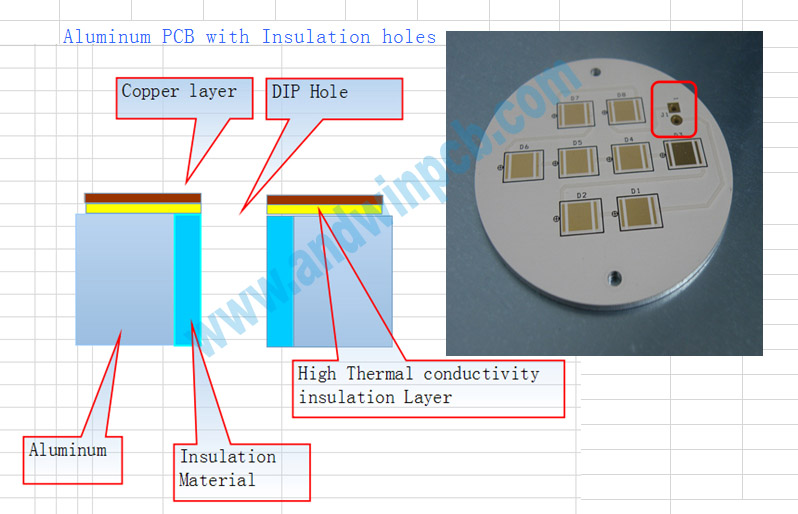
Aluminum pcb with Insulation hole

One of the key advantages of MCPCBs is their ability to dissipate heat more efficiently
than traditional PCBs. The metal core acts as a heat sink, drawing heat away from the
components and spreading it out across the board. This helps to prevent overheating and
ensures that the components operate at their optimal temperature.

Another advantage of MCPCBs is their durability. The metal core provides a sturdy base for
the circuit board, making it less likely to crack or break under stress. This makes MCPCBs
ideal for use in harsh environments where traditional PCBs would be more prone to failure.
GET IN TOUCH!

In addition to their improved heat dissipation and durability, MCPCBs also offer better
electrical performance. The metal core provides a low impedance path for the current,
reducing the resistance and improving the overall efficiency of the circuit. This can lead
to improved signal integrity and reduced noise in high-speed applications.

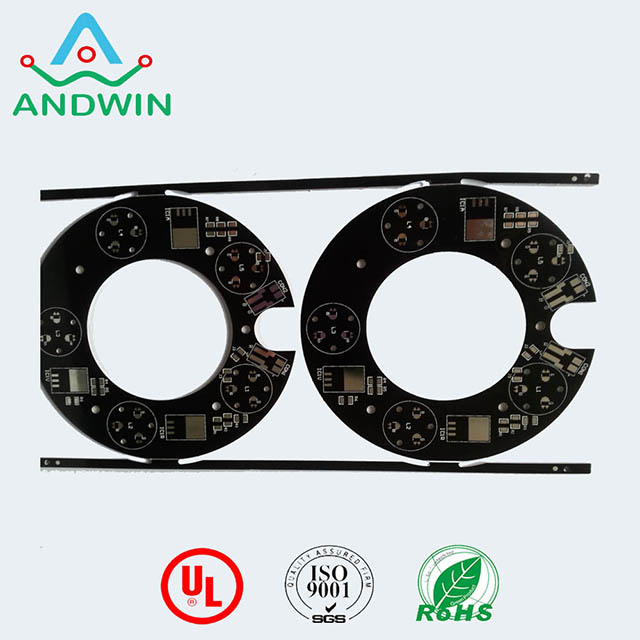
MCPCBs are used in a wide range of applications, including LED lighting, power supplies,
automotive electronics, and industrial controls. They are particularly well-suited for
applications that require high power and/or high temperatures, such as LED lighting
fixtures or power converters.
In conclusion, metal core PCBs are a versatile and reliable option for a wide range of
electronic applications. Their improved heat dissipation, durability, and electrical
performance make them an ideal choice for high-power and high-temperature applications
where traditional PCBs would fail. Whether you are designing a new LED lighting fixture or
a high-power motor controller, MCPCBs are an excellent choice for your next project.

GET IN TOUCH!

Similar Posts

  • Pcb copper pad

    Importance Of Copper Pads In PCB Design In the realm of printed circuit board (PCB) design, the significance of copper pads cannot be overstated. These small yet crucial components serve as the foundation for the electrical connections that enable the functionality of electronic devices. Copper pads, often referred to as solder pads, are the areas…

  • Rogers pcb prototype

    Benefits Of Using Rogers PCB Prototypes In High-Frequency Applications Rogers PCB prototypes have become increasingly popular in high-frequency applications due to their exceptional performance characteristics and reliability. These specialized printed circuit boards (PCBs) are crafted from Rogers Corporation’s advanced materials, which are specifically designed to meet the stringent demands of high-frequency and high-speed electronic circuits….

  • Multilayer pcb basics

    Introduction To Multilayer PCB Design Multilayer printed circuit boards (PCBs) have become a cornerstone in the design and manufacturing of modern electronic devices. As technology continues to advance, the demand for more compact, efficient, and powerful electronic components has driven the evolution from single-layer to multilayer PCBs. Understanding the basics of multilayer PCB design is…

  • FPC PCBA Assembly and Soldering Process: A Comprehensive Guide

    Introduction Flexible Printed Circuits (FPCs) have become increasingly popular in modern electronics due to their lightweight, thin profile, and ability to bend and conform to various shapes. However, assembling and soldering FPCs onto Printed Circuit Board Assemblies (PCBAs) presents unique challenges compared to rigid PCBs. This article provides a detailed overview of the FPC PCBA…

  • Differences between HDI board and through-hole PCB

    1.Manufacturing technology and structural characteristics HDI board: It is manufactured by build-up method, and the technical level of the board is improved by continuously increasing the number of build-up layers. Micro blind buried hole technology is widely used, and the hole diameter is less than 150um, which improves the assembly density and space utilization efficiency….

  • |

    Flex pcb stiffener material

    Benefits Of Using Polyimide As A Flex PCB Stiffener Material Polyimide has emerged as a highly advantageous material for use as a flex PCB stiffener, offering a range of benefits that enhance the performance and reliability of flexible printed circuit boards. One of the primary advantages of polyimide is its exceptional thermal stability. This material…