
Skip to content
Andwin Circuits
  • Home
  • ProductsExpand
    • HDI multilayer PCB
    • Rigid Flex PCB
    • Flex pcb
    • Special PCBExpand
      • High Frequency PCBExpand
        • Rogers RO4350B PCB
        • Rogers RO4003 pcb
        • Rogers RO3003 PCB
        • Rogers 5880 PCB
        • DICLAD 527 PCB
        • Taconic TLX series
        • Taconic TLX-8 RF PCB
        • Taconic TLX-9 RF PCB
      • High speed pcbExpand
        • Megtron 6 High Speed PCB
        • TU-872 SLK Sp High Speed
      • High TG PCBExpand
        • SHENGYI SH260 PCB
        • ISOLA 370HR PCB
        • ISOLA IS410 PCB
        • ISOLA IS420 PCB
      • Heavy copper PCB
      • Copper coin pcb
      • Copper inlay PCB
    • Metal Core PCBExpand
      • Copper core pcb
      • Aluminum PCB
      • 2 Layers Aluminum PCB
      • Direct thermal MCPCB
      • 2 Layers Direct Thermal
    • Ceramic PCBExpand
      • DPC ceramic PCB
      • DBC ceramic PCB
      • Thick film Ceramic PCB
      • Al2O3 Alumina PCB
      • AIN ALN ceramic PCB
      • IGBT Ceramic PCB
  • ServiceExpand
    • PCB Assembly
    • Quick turn PCB assembly
    • PCBA conformal coating
  • IndustryExpand
    • Telecommunication
    • IoT and Wireless
    • Industrial Control
    • Thermal management
    • Power and Energy
    • IC test board
    • Automative
    • Medical
  • CapabilityExpand
    • Rigid PCB
    • Rigid flex PCB
    • Metal core PCB
    • PCB Assembly
  • TechnologyExpand
    • Blogs
    • Via in pad
    • PCB E-test
    • PCB stack up
    • MCPCB panelization
    • Controlled impedance PCB
  • AboutExpand
    • About us
    • Certification
    • Factory Tour
  • Contact
Andwin Circuits
Home / Blogs / Aluminum pcb vs fr4

Aluminum pcb vs fr4

ByGrace May 17, 2023June 19, 2024

Aluminum PCB with FR4 is a type of printed circuit board that combines the benefits of both aluminum and FR4 materials.
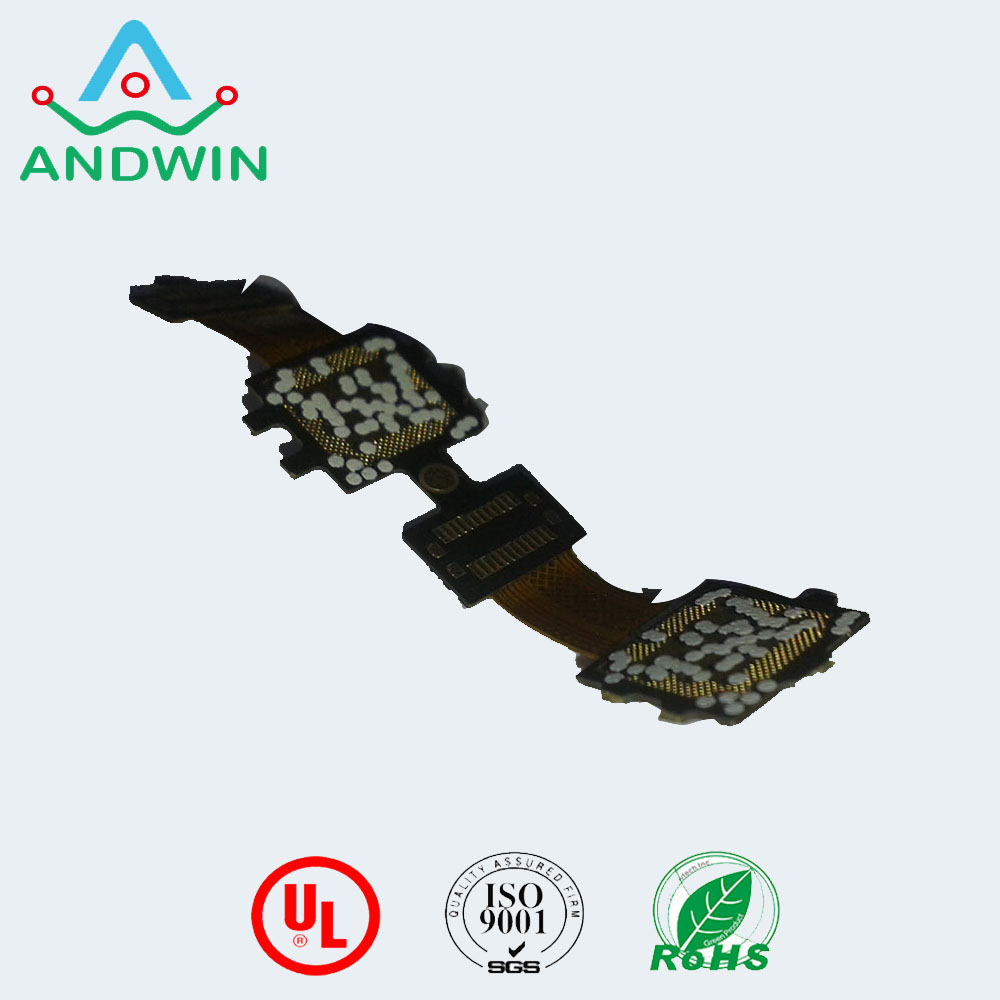
The base of the board is made of aluminum, which provides excellent heat dissipation properties.

The aluminum layer is then coated with a layer of FR4,

which is a type of fiberglass material that provides electrical insulation and mechanical stability.

The combination of aluminum and FR4 makes these PCBs ideal for applications that require high power and high thermal dissipation,

such as LED lighting, power supplies, and motor control. The aluminum layer helps to dissipate heat away from the components,

while the FR4 layer provides electrical insulation and mechanical stability.

Aluminum PCBs with FR4 are also more durable and resistant to mechanical stress than traditional FR4 PCBs,

making them ideal for applications that require high reliability and long-term performance.

They are also more cost-effective than other types of high-power PCBs, making them a popular choice for a wide range of applications.
GET IN TOUCH!

The difference between aluminum PCB and FR4

PCB

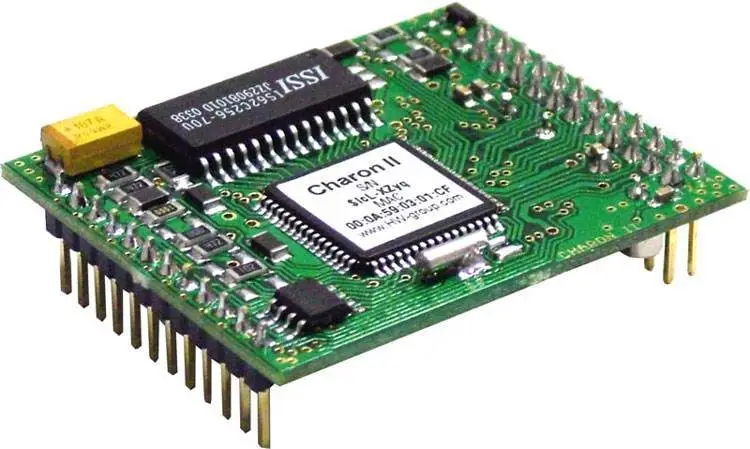
Aluminum PCB and FR4 PCB are two types of printed circuit boards that have different properties and applications.

Aluminum PCBs are made of a thin layer of aluminum that is laminated onto a non-conductive substrate,

such as ceramic or fiberglass. The aluminum layer acts as a heat sink, dissipating heat away from the components on the board.

This makes aluminum PCBs ideal for high-power applications, such as LED lighting, power supplies, and motor control.

FR4 PCBs, on the other hand, are made of a woven fiberglass core that is coated with a layer of epoxy resin.

This makes FR4 PCBs strong, durable, and resistant to moisture and chemicals.

FR4 PCBs are commonly used in consumer electronics, such as smartphones, laptops, and TVs.

In summary, the main difference between aluminum PCB and FR4 PCB is their composition and properties.

Aluminum PCBs are designed for high-power applications and have a thin layer of aluminum that acts as a heat sink,

while FR4 PCBs are designed for consumer electronics and have a woven fiberglass core that is coated with epoxy resin for strength and durability.
Aluminum PCB and FR4 connection

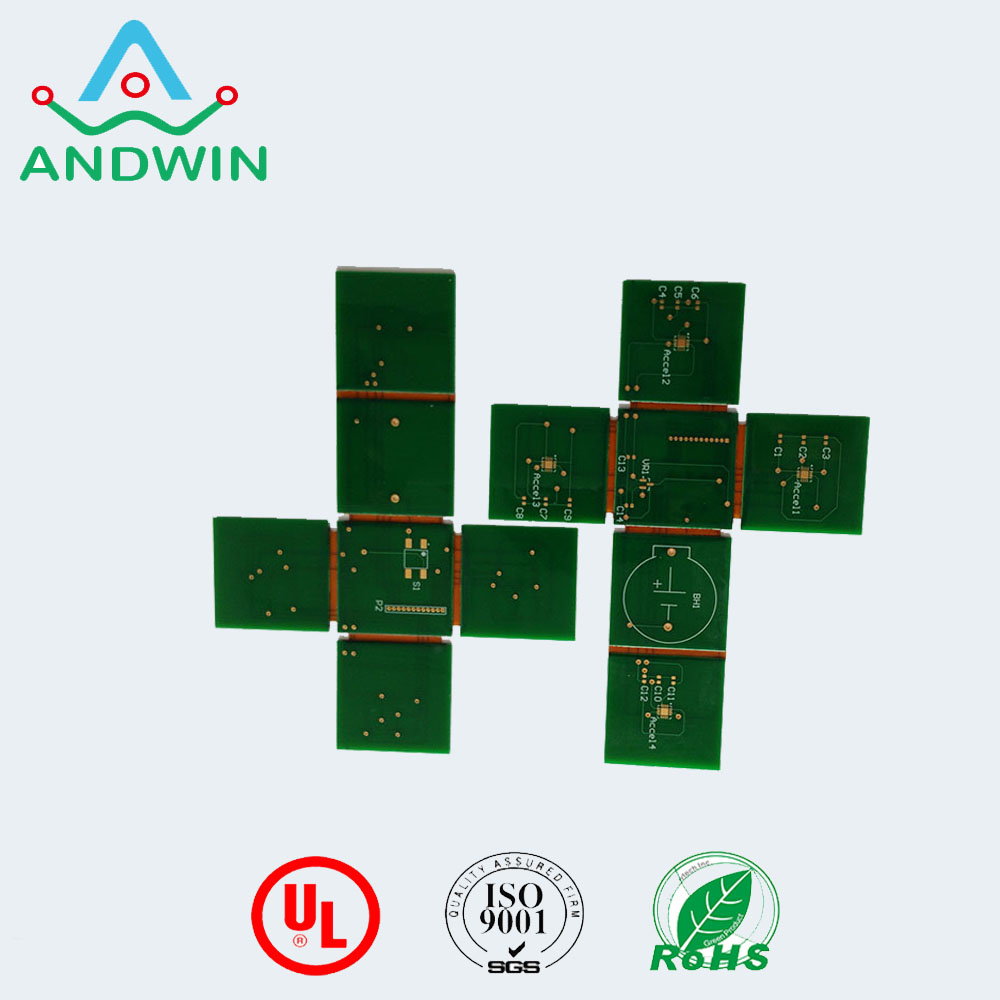
Aluminum PCB and FR4 are two different types of printed circuit boards (PCBs) that are commonly used in electronic devices.

Aluminum PCBs are made of a metal core (usually aluminum) with a layer of copper on top,

while FR4 PCBs are made of a fiberglass substrate with a layer of copper on top.

Connecting an aluminum PCB and an FR4 PCB can be done in several ways,

depending on the specific requirements of the application.

One common method is to use a connector or adapter that is specifically designed for this purpose.

These connectors typically have pins or sockets that can be soldered onto the PCBs, allowing them to be connected together.

Another option is to use a wire or cable to connect the two PCBs.

This can be done by soldering wires directly to the PCBs or by using a connector that has wires attached to it.

The wires can then be connected to the appropriate pins or sockets on each PCB.

It is important to ensure that the connection between the two PCBs is secure and reliable,

as any loose or faulty connections can lead to problems with the electronic device.

Proper insulation and shielding may also be necessary to prevent interference or other issues.

GET IN TOUCH!

Post navigation

Previous Previous
Thermal conductivity of aluminum substrate PCB
NextContinue
Double sided aluminum pcb

Search

Search

Products

  • HDI Multilayer PCB
  • Rigid Flex PCB
  • Flex pcb
  • High Frequency PCB
  • High speed pcb
  • Heavy copper PCB
  • Metal Core PCB
  • Ceramic PCB

Address

Andwin Circuits Co.,Limited
Email: sales@andwinpcb.com
Tel: +86 755 2832 9394
Fax:+86 755 2992  6717
ADD:1-2F-1217,HouDeQun Industrial park,
NanTing RD NO.56,ShaJing,BaoAn,Shenzhen 518104,GuangDong,China

Products

  • HDI Multilayer PCB
  • Rigid Flex PCB
  • Flex pcb
  • High Frequency PCB
  • High speed pcb
  • Heavy copper PCB
  • Metal Core PCB
  • Ceramic PCB

Technology

  • Blogs
  • Via in pad
  • PCB E-test
  • PCB stack up
  • Metal core PCB panelization
  • Controlled impedance PCB

CERTIFICATION

Certification >>


Copyright© 2003 - 2026 Andwin | All Rights Reserved | Powered by Andwin

Scroll to top
  • Home
  • Products
    • HDI multilayer PCB
    • Rigid Flex PCB
    • Flex pcb
    • Special PCB
      • High Frequency PCB
        • Rogers RO4350B PCB
        • Rogers RO4003 pcb
        • Rogers RO3003 PCB
        • Rogers 5880 PCB
        • DICLAD 527 PCB
        • Taconic TLX series
        • Taconic TLX-8 RF PCB
        • Taconic TLX-9 RF PCB
      • High speed pcb
        • Megtron 6 High Speed PCB
        • TU-872 SLK Sp High Speed
      • High TG PCB
        • SHENGYI SH260 PCB
        • ISOLA 370HR PCB
        • ISOLA IS410 PCB
        • ISOLA IS420 PCB
      • Heavy copper PCB
      • Copper coin pcb
      • Copper inlay PCB
    • Metal Core PCB
      • Copper core pcb
      • Aluminum PCB
      • 2 Layers Aluminum PCB
      • Direct thermal MCPCB
      • 2 Layers Direct Thermal
    • Ceramic PCB
      • DPC ceramic PCB
      • DBC ceramic PCB
      • Thick film Ceramic PCB
      • Al2O3 Alumina PCB
      • AIN ALN ceramic PCB
      • IGBT Ceramic PCB
  • Service
    • PCB Assembly
    • Quick turn PCB assembly
    • PCBA conformal coating
  • Industry
    • Telecommunication
    • IoT and Wireless
    • Industrial Control
    • Thermal management
    • Power and Energy
    • IC test board
    • Automative
    • Medical
  • Capability
    • Rigid PCB
    • Rigid flex PCB
    • Metal core PCB
    • PCB Assembly
  • Technology
    • Blogs
    • Via in pad
    • PCB E-test
    • PCB stack up
    • MCPCB panelization
    • Controlled impedance PCB
  • About
    • About us
    • Certification
    • Factory Tour
  • Contact
Search