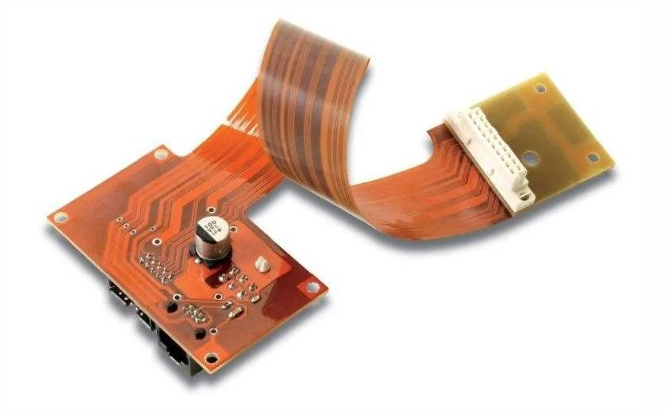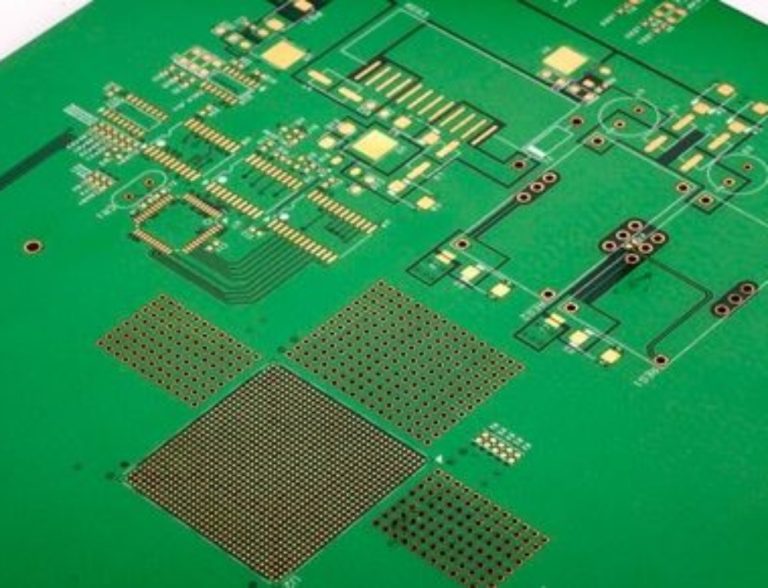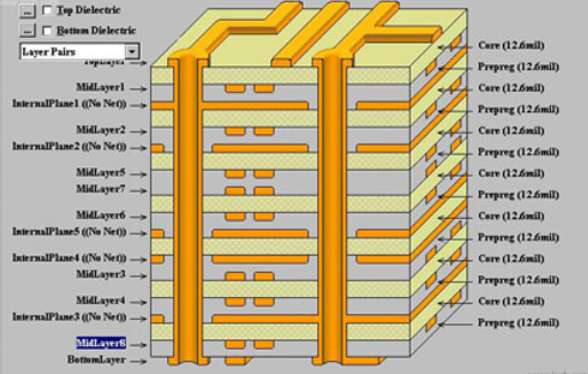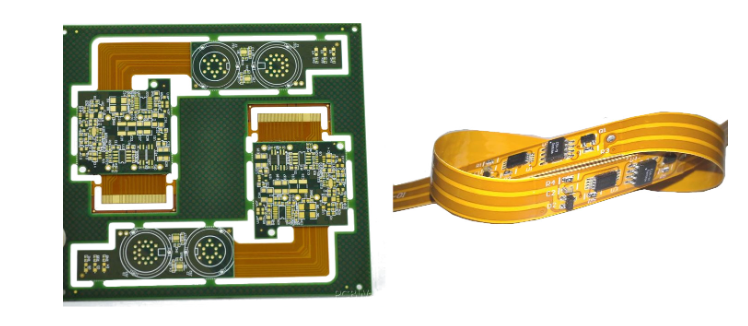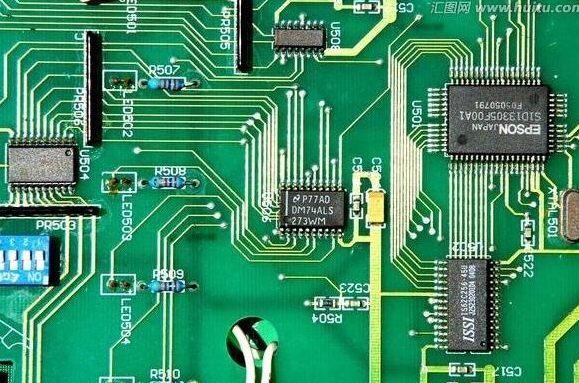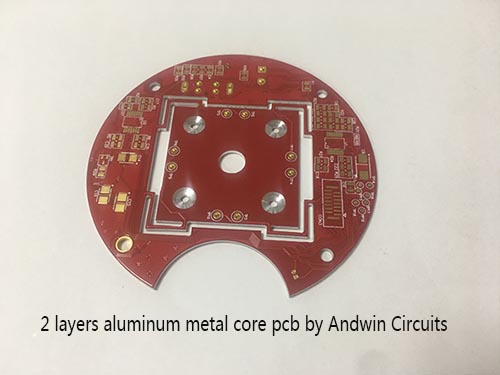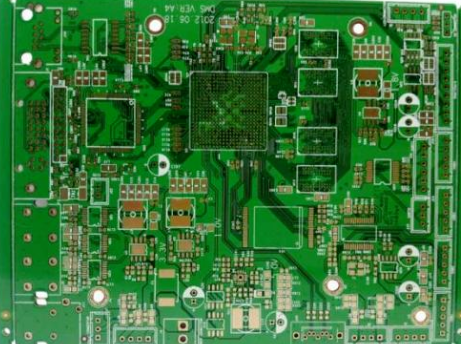
Bare flex pcb
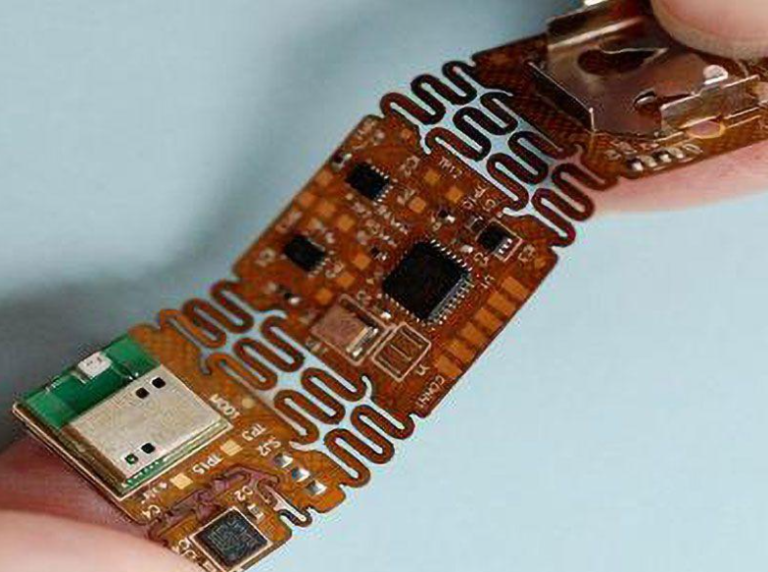
Bare flex PCBs, or bare flexible printed circuit boards, have become increasingly prevalent in modern electronics due to their numerous advantages over traditional rigid PCBs.

Bare flex PCBs, or bare flexible printed circuit boards, have become increasingly prevalent in modern electronics due to their numerous advantages over traditional rigid PCBs.

When designing and baking rigid-flex PCBs, it is crucial to consider several factors to ensure the final product meets the desired specifications and performs reliably

Designing flexible printed circuit boards (PCBs) for baking applications requires a meticulous approach, as these specialized circuits must endure high temperatures and maintain functionality in demanding environments.

In conclusion, the benefits of using automatic PCB manufacturing machines are manifold, encompassing increased production speed, unparalleled precision, significant cost savings, enhanced flexibility, environmental sustainability, and improved data-driven decision-making.

Automated PCB assembly machines have revolutionized the electronics manufacturing industry, offering a myriad of benefits that enhance efficiency, precision, and overall production quality. One of the most significant advantages of these machines is their ability to drastically reduce human error.

Automated Optical Inspection (AOI) has become an indispensable tool in the realm of Printed Circuit Board (PCB) assembly, offering a multitude of advantages that significantly enhance the manufacturing process. As the demand for high-quality electronic devices continues to surge, the need for precise and efficient inspection methods has never been more critical. AOI addresses this need by providing a non-contact, automated solution that ensures the integrity and functionality of PCBs, thereby elevating the overall quality of electronic products.

Automated Optical Inspection (AOI) has become an indispensable tool in the realm of Printed Circuit Board (PCB) manufacturing, significantly enhancing the quality control process. As the demand for more complex and miniaturized electronic devices continues to grow, the need for precise and reliable inspection methods has never been more critical.

High-Density Interconnect (HDI) printed circuit boards (PCBs) have become a cornerstone in the development of modern electronics, offering a multitude of advantages that cater to the ever-evolving demands of the industry.

Automated PCB assembly has revolutionized the electronics manufacturing industry, offering a multitude of benefits that enhance efficiency, accuracy, and overall production quality.

When comparing the costs of Aluminum PCBs and FR4 PCBs, it is essential to consider various factors that influence the overall expenditure.
Both types of printed circuit boards (PCBs) have distinct characteristics and applications, which directly impact their cost structures.

Aluminum PCB via material has emerged as a significant advancement in the field of printed circuit boards (PCBs), offering a range of benefits that distinguish it from traditional FR4 boards.
To understand the advantages and potential applications of aluminum PCB viamaterial, it is essential to compare it with the more conventional FR4 boards, which have been the industry standard for many years.

Aluminum PCB material has become increasingly popular in the electronics industry due to its numerous advantages over traditional materials.

the Aluminum PCB manufacturing process involves a series of meticulous steps, each crucial to producing a high-quality and reliable product. From selecting the base material to applying the final protective layers, each stage requires precision and expertise to ensure the PCB performs optimally in its intended application.

Aluminum PCBs, or printed circuit boards, have become increasingly popular in LED applications due to their numerous advantages.LEDs generate a significant amount of heat during operation, and managing this heat is crucial to maintaining the performance and longevity of the LEDs.

Selecting the appropriate aluminum PCB enclosure for your project is a critical decision that can significantly impact the performance, durability, and overall success of your electronic device.