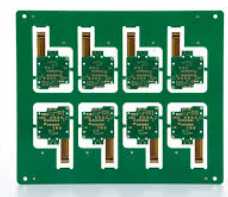
6 layer pcb cost
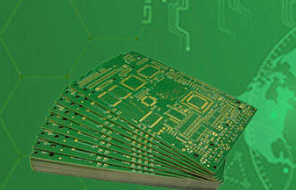
The cost analysis of 6 layer PCB cost involves multiple aspects, including materials, manufacturing and optimization strategies.

The cost analysis of 6 layer PCB cost involves multiple aspects, including materials, manufacturing and optimization strategies.
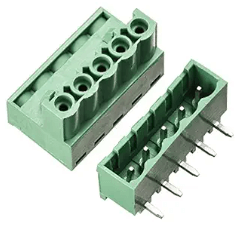
In the process of electronic equipment design and manufacturing, it is crucial to select the right 5 Pin PCB connector. 5 Pin PCB connectors not only play a key role in electrical performance, but also directly affect the reliability and stability of the entire system. Therefore, understanding how to select and apply these connectors is a skill that every electronic engineer must master.
the composition of PCB materials involves five major elements: substrate, copper foil, dielectric layer, pads and vias, and protective layer. The selection and combination of each element requires comprehensive consideration of electrical performance, mechanical strength, thermal stability, and cost-effectiveness to meet the needs of different application scenarios. By having a deep understanding of these elements, engineers can better design and manufacture high-performance, high-reliability PCBs, providing a solid foundation for the development of modern electronic devices.
5 PCB have become an ideal choice for high-density electronic devices due to their high circuit density, excellent signal integrity, good thermal management performance, design flexibility and cost-effectiveness. With the continuous development of electronic technology, 5 PCB will show their unique advantages and broad application prospects in more fields.
the 4 capabilities in PCB manufacturing – design capabilities, material selection capabilities, manufacturing process capabilities and quality control capabilities – complement each other and jointly determine the final quality and performance of PCB. Only with these key capabilities can manufacturers stand out in the fierce market competition and meet customer demand for high-quality electronic products.
4 PCB assembly technology is a complex and delicate work that requires strict design, material selection, wiring, welding and testing. By mastering the structure, characteristics and assembly technology points of four-layer PCB boards, the integration, electrical performance and reliability of circuit boards can be effectively improved. At the same time, solving common problems and taking appropriate measures are also the key to ensuring the quality and performance of circuit boards. I hope this article can provide readers with useful reference and help in the 4 PCB assembly technology.
What’s the heavy copper PCB? The finish copper of conventional single side is 0.5OZ, and the finish copper of double…
1.FPC multi-layer board folding and stacking design principles Multilayer structure: FPC multilayer boards combine multiple conductive layers and insulating layers…
What are RF PCBs? RF PCBs are those boards that operate above 100MHz. Recently, these PCBs have become more common….
Key steps and considerations to know for 4-layer PCB design It is crucial to understand the key steps and considerations…
Four-layer circuit boards are a type of circuit board commonly used in modern electronic manufacturing, with a complex design and…
In high-frequency circuit design, 4-layer PCB (printed circuit board) has become the first choice of engineers because of its unique…
What is HDI PCBs? High density interconnect (HDI) PCBs represent one of the fastest-growing segments of the printed circuit board market….