uncategories

  • | |

    How do pcb boards work

    Understanding how do pcb boards work Printed Circuit Boards (PCBs) are the backbone of modern electronic devices, serving as the foundation upon which electronic components are mounted and interconnected. To understand how PCB boards work, it is essential to delve into their structure, materials, and the principles that govern their operation. At the most fundamental…
  • | | |

    How are rigid flex pcbs made

    Materials And Components Used In Rigid Flex PCB Manufacturing Rigid-flex PCBs, or rigid-flex printed circuit boards, are a hybrid of rigid and flexible circuit boards, offering a unique combination of the benefits of both types. The manufacturing process of rigid-flex PCBs involves a variety of materials and components, each playing a crucial role in ensuring…

  • | | | |

    How are multilayer pcbs made

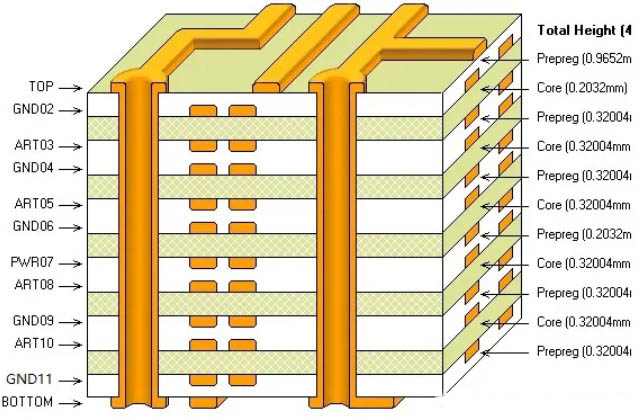
    Materials And Components Used In Multilayer PCB Manufacturing Multilayer printed circuit boards (PCBs) are integral to modern electronics, providing the necessary infrastructure for complex circuitry in a compact form. The manufacturing of these sophisticated boards involves a variety of materials and components, each playing a crucial role in ensuring the final product’s functionality and reliability….

  • | | |

    How are metal core pcb lamination

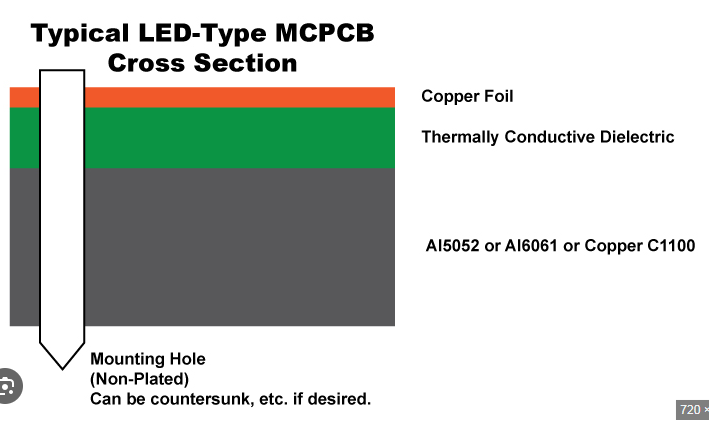
    How are metal core pcb lamination Metal core printed circuit boards (PCBs) have become increasingly popular in various industries due to their superior thermal management capabilities. These PCBs are particularly advantageous in applications where heat dissipation is critical, such as in LED lighting, power supplies, and automotive electronics. lamination process of metal core PCBs is…

  • |

    Hdi pcb type

    Advantages Of HDI PCB type In Modern Electronics High-Density Interconnect (HDI) Printed Circuit Boards (PCBs) have become a cornerstone in the advancement of modern electronics, offering numerous advantages that cater to the ever-evolving demands of the industry. As electronic devices continue to shrink in size while increasing in functionality, the need for more efficient and…

  • | | | |

    Hdi pcb manufacturing

    Key Considerations For HDI PCB manufacturing High-Density Interconnect (HDI) printed circuit boards (PCBs) have become increasingly essential in modern electronics due to their ability to support complex circuitry within a compact footprint. As the demand for smaller, faster, and more efficient electronic devices grows, understanding the key considerations for HDI PCB design becomes crucial for…

  • | | |

    Hdi pcb design guide

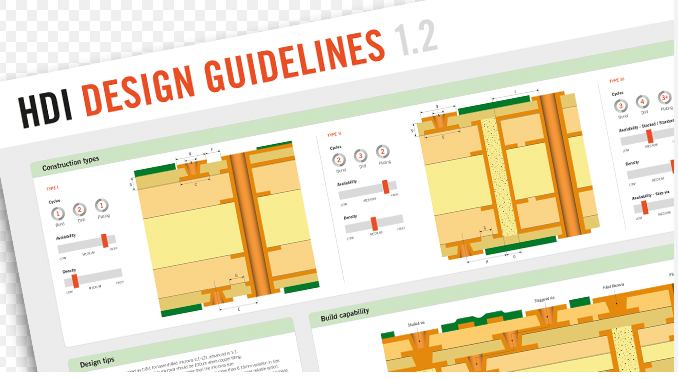
    Key Considerations For HDI PCB Design High-Density Interconnect (HDI) printed circuit boards (PCBs) have become increasingly essential in modern electronics due to their ability to support complex circuitry within a compact footprint. As the demand for smaller, faster, and more efficient electronic devices grows, understanding the key considerations for HDI PCB design becomes crucial for…

  • | | | |

    Flex pcb for led

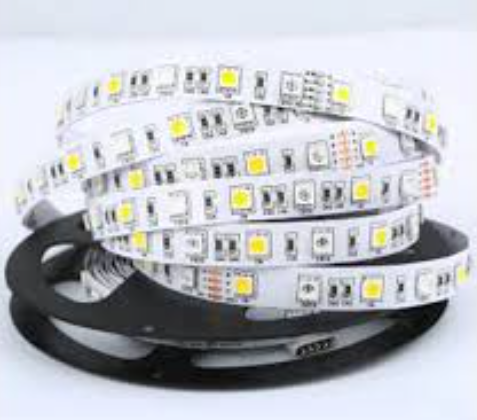
    Advantages Of Using Flex PCB for LED Lighting Systems Flex PCBs, or flexible printed circuit boards, have become increasingly popular in LED lighting systems due to their numerous advantages. One of the primary benefits of using flex PCBs in LED lighting is their inherent flexibility. Unlike traditional rigid PCBs, flex PCBs can be bent, folded,…

  • Flex pcb china

    Advantages Of Sourcing Flex PCB From China Sourcing flex PCB from China offers numerous advantages that make it an attractive option for businesses worldwide. One of the primary benefits is cost-effectiveness. Chinese manufacturers have developed highly efficient production processes and benefit from economies of scale, which allow them to offer competitive pricing without compromising on…

  • Flex pcb base material

    Advantages Of Polyimide As A Flex PCB Base Material Polyimide has emerged as a premier choice for the base material in flexible printed circuit boards (PCBs), owing to its exceptional properties that cater to the demanding requirements of modern electronic applications. One of the primary advantages of polyimide is its remarkable thermal stability. Unlike other…

  • |

    Erp for pcb manufacturing

    Benefits Of Implementing ERP for PCB Manufacturing Implementing an Enterprise Resource Planning (ERP) system in Printed Circuit Board (PCB) manufacturing offers a multitude of benefits that can significantly enhance operational efficiency, product quality, and overall business performance. One of the primary advantages of ERP systems is their ability to integrate various business processes into a…

  • Equipment involved in pcb manufacturing

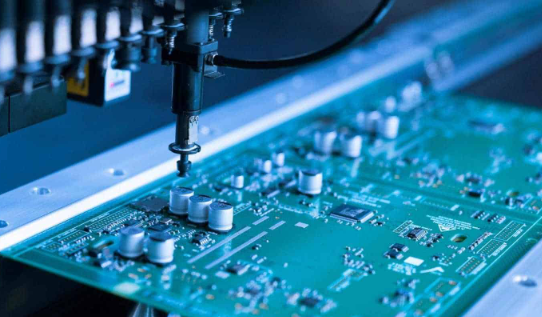
    Printed Circuit Board (PCB) prototyping is a critical phase in the development of electronic devices, serving as the bridge between conceptual design and mass production. The process involves a series of steps that require precision and accuracy, necessitating the use of specialized equipment. Understanding the essential tools involved in PCB prototyping is crucial for ensuring the quality and functionality of the final product.

  • Embedded copper coin pcb

    Embedded copper coin PCBs have emerged as a pivotal innovation in the realm of high-power applications, offering a multitude of benefits that address the growing demands for efficiency, reliability, and thermal management. As electronic devices continue to evolve, the need for robust solutions that can handle increased power densities without compromising performance has become paramount. Embedded copper coin PCBs, with their unique construction and material properties, provide an effective answer to these challenges.

  • |

    Dynamic flex pcb

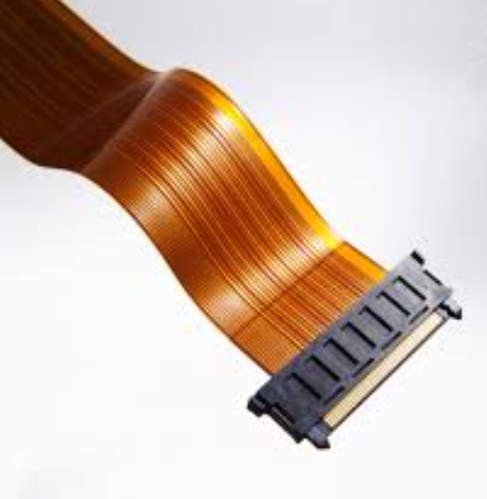
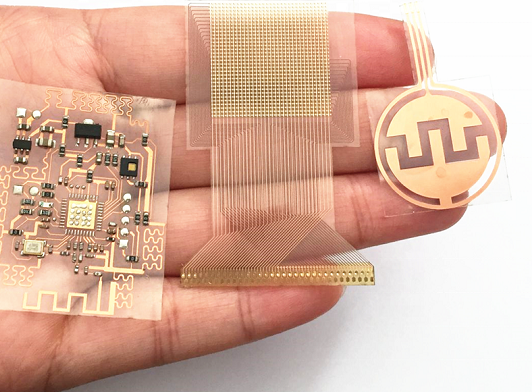
    Dynamic flex PCB, or flexible printed circuit boards, have become increasingly integral to the advancement of modern electronics. These innovative components offer a multitude of advantages that make them indispensable in various applications, ranging from consumer electronics to industrial machinery. One of the primary benefits of dynamic flex PCBs is their inherent flexibility, which allows for more compact and versatile designs. Unlike traditional rigid PCBs, dynamic flex PCBs can be bent, folded, and twisted without compromising their functionality. This flexibility enables designers to create more intricate and space-efficient electronic devices, which is particularly valuable in the development of wearable technology, medical devices, and compact consumer electronics.