
Causes and Solutions for PCB Overheating
Introduction
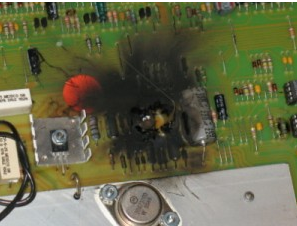
Printed Circuit Boards (PCBs) are essential components in modern electronic devices, providing mechanical support and electrical connections for various components. However, overheating is a common issue that can lead to performance degradation, component failure, and even safety hazards. Understanding the causes of PCB overheating and implementing effective solutions are crucial for ensuring reliability and longevity.
This article explores the primary reasons for PCB overheating, including poor design, excessive power dissipation, insufficient cooling, and environmental factors. Additionally, it provides practical solutions to mitigate these issues, such as improved thermal management, optimized PCB layout, and proper component selection.

Causes of PCB Overheating
1. Poor PCB Design and Layout
One of the leading causes of PCB overheating is inadequate design. Factors contributing to thermal issues include:
- High-Density Component Placement – When components are placed too closely together, heat accumulates, leading to localized hotspots.
- Insufficient Copper Traces – Thin or narrow traces increase resistance, causing excessive heat generation when high currents pass through.
- Lack of Thermal Vias – Thermal vias help dissipate heat from high-power components to other layers or heatsinks. Their absence can trap heat.
- Inadequate Ground Planes – Poor grounding increases resistance and heat buildup in power delivery networks.
2. Excessive Power Dissipation
High-power components (e.g., CPUs, GPUs, voltage regulators) generate significant heat. If not properly managed, this can lead to overheating. Common scenarios include:
- Overloading Components – Running components beyond their rated power limits causes excessive heat.
- Inefficient Power Conversion – Linear regulators, for example, dissipate excess energy as heat compared to switching regulators.
3. Inadequate Cooling Mechanisms
Many PCBs rely on passive or active cooling solutions. Poor thermal management strategies include:
- Lack of Heatsinks – High-power components without heatsinks cannot dissipate heat efficiently.
- Insufficient Airflow – Enclosed designs or poor ventilation prevent heat from escaping.
- Faulty Fans or Cooling Systems – Malfunctioning cooling fans or degraded thermal paste reduce heat dissipation.
4. Environmental Factors
External conditions can exacerbate PCB overheating:
- High Ambient Temperatures – Operating in hot environments reduces cooling efficiency.
- Dust and Debris Accumulation – Dust blocks airflow and insulates heat, worsening thermal performance.
- Humidity and Corrosion – Moisture can degrade thermal conductivity and increase resistance in traces.
5. Poor Soldering and Manufacturing Defects
Faulty manufacturing processes contribute to overheating:
- Cold Solder Joints – Poor solder connections increase resistance, leading to heat buildup.
- Component Misalignment – Improperly placed components may not make optimal thermal contact with the PCB.
Solutions to Prevent PCB Overheating
1. Optimize PCB Design and Layout
- Increase Trace Widths – Wider traces reduce resistance and heat generation in high-current paths.
- Use Thermal Vias – Incorporate thermal vias beneath high-power components to transfer heat to other layers or heatsinks.
- Improve Component Placement – Space out heat-generating components and avoid clustering them in one area.
- Implement Proper Grounding – Use solid ground planes to minimize resistance and improve heat distribution.
2. Enhance Thermal Management
- Add Heatsinks – Attach heatsinks to high-power components (e.g., MOSFETs, voltage regulators).
- Use Thermal Pads and Paste – Improve heat transfer between components and heatsinks with high-quality thermal interface materials.
- Incorporate Active Cooling – Install fans or liquid cooling systems for high-power applications.
3. Select Efficient Components
- Choose Switching Regulators Over Linear Regulators – Switching regulators are more efficient and generate less heat.
- Use High-Temperature-Rated Components – Select parts designed to operate at higher temperatures if environmental conditions are harsh.
4. Improve Airflow and Enclosure Design
- Add Ventilation Holes – Ensure proper airflow in enclosed designs.
- Use Heat-Resistant Materials – Select PCB substrates with better thermal conductivity (e.g., metal-core PCBs for LED applications).
5. Regular Maintenance and Monitoring
- Clean Dust and Debris – Periodically remove dust to maintain airflow.
- Monitor Temperature with Sensors – Use thermal sensors to detect overheating and trigger cooling mechanisms.
6. Manufacturing Quality Control
- Ensure Proper Soldering – Avoid cold solder joints and inspect connections for defects.
- Conduct Thermal Testing – Perform thermal imaging or infrared inspections during prototyping to identify hotspots.
Conclusion
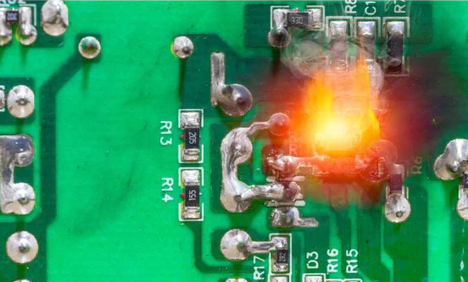
PCB overheating is a critical issue that can compromise performance and reliability. The primary causes include poor design, excessive power dissipation, inadequate cooling, environmental factors, and manufacturing defects. By optimizing PCB layout, improving thermal management, selecting efficient components, and ensuring proper maintenance, engineers can effectively mitigate overheating risks.
Implementing these solutions not only enhances the lifespan of electronic devices but also ensures safe and stable operation. As electronic systems continue to demand higher power and miniaturization, advanced thermal management strategies will remain essential in PCB design.