Flex pcb folding
The role of flex PCB folding is to enable the use of flexible printed circuit boards in applications where space is limited or where the PCB needs to conform to a specific shape.
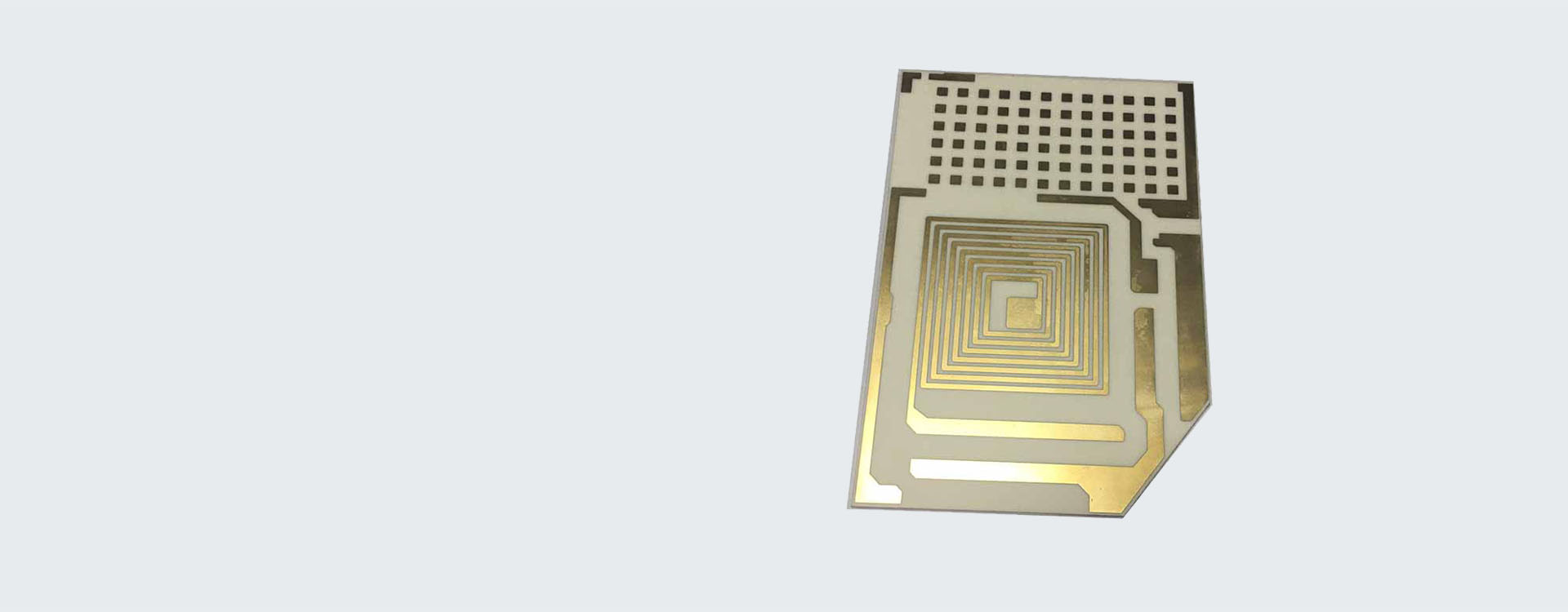
Flex PCBs can be folded or bent to fit into tight spaces, making them ideal for use in small electronic devices such as smartphones,
tablets, and wearable devices.
Flex PCB folding also allows for the creation of complex shapes and designs that would be difficult or impossible to achieve with rigid PCBs.
Additionally, flex PCB folding can help reduce the overall size and weight of electronic devices, making them more portable and easier to use.
Overall, the role of flex PCB folding is to provide flexibility and versatility in the design and manufacturing of electronic devices.
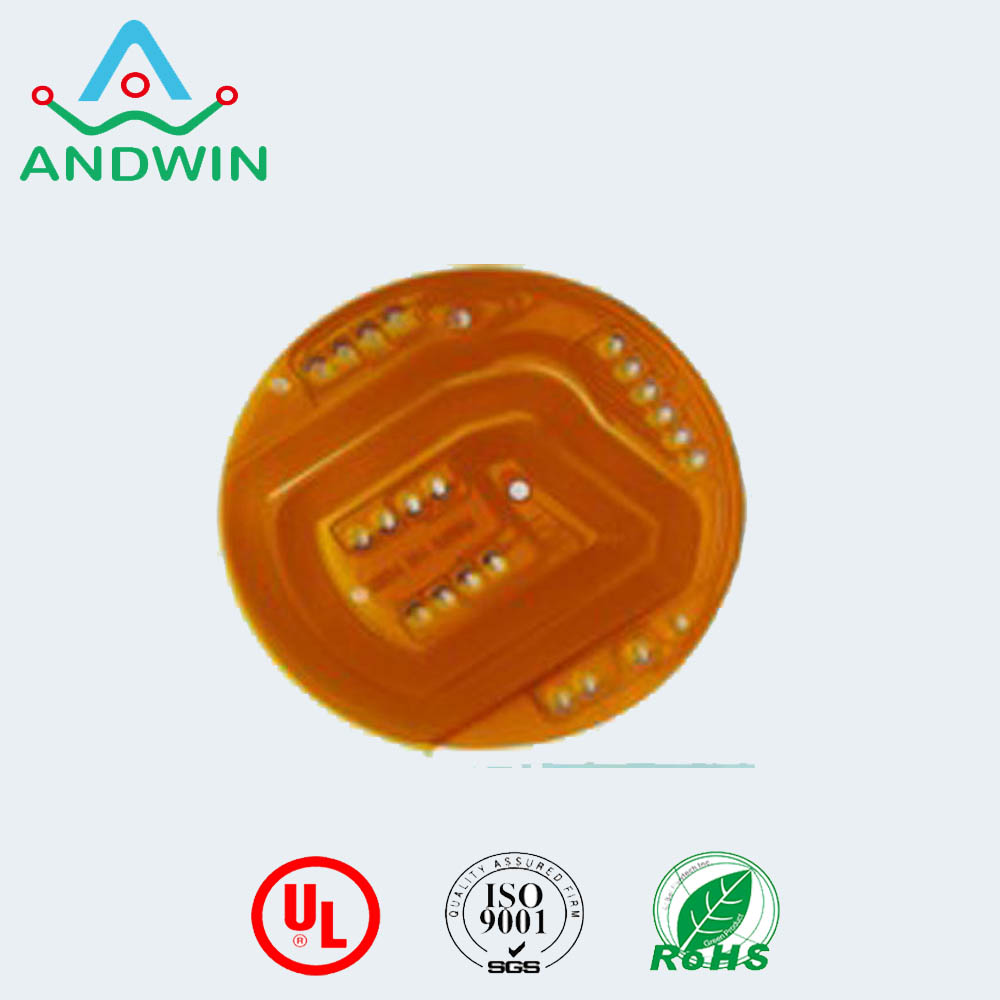
Flex PCB folding refers to the process of bending or folding a flexible printed circuit board (PCB) to fit into a specific device or application.
Flex PCBs are designed to be flexible and can be bent or folded to fit into tight spaces or complex shapes.
However, it is important to ensure that the bending or folding does not damage the circuitry or components on the board.
Proper design and manufacturing techniques, such as using proper bend radius and avoiding over-stressing the board,
can help ensure that the flex PCB can be folded without causing any damage.