
Flex PCB Heaters: Design, Applications, and Advancements in Thermal Management
Flexible printed circuit board (Flex PCB) heaters are an innovative solution for applications requiring precise and efficient thermal management. Unlike traditional heaters, Flex PCB heaters leverage the unique properties of flexible circuits to provide uniform heating, compact form factors, and customizable designs. These heaters are widely used in industries such as medical devices, aerospace, automotive, and consumer electronics. This article explores the design principles, applications, advantages, and advancements in Flex PCB heater technology.
What Are Flex PCB Heaters?
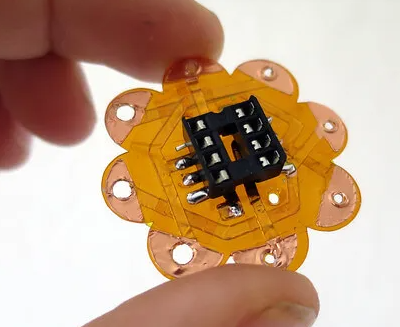
Flex PCB heaters are thin, lightweight, and flexible heating elements fabricated using flexible printed circuit technology. They consist of conductive traces (typically made of copper or other conductive materials) embedded in a flexible substrate, such as polyimide. When an electric current passes through the traces, resistive heating occurs, generating heat that can be precisely controlled and distributed.
The key components of a Flex PCB heater include:
- Conductive Traces: The heating elements that generate heat when current flows through them.
- Flexible Substrate: The base material (e.g., polyimide) that provides mechanical flexibility and electrical insulation.
- Protective Layers: Additional layers (e.g., coverlays or adhesives) to protect the traces and ensure durability.
- Termination Points: Connectors or pads for electrical connections to a power source.
Advantages of Flex PCB Heaters
Flex PCB heaters offer several advantages over traditional heating solutions, making them ideal for a wide range of applications:
- Uniform Heating:
- The precise placement of conductive traces ensures even heat distribution across the entire surface of the heater.
- Compact and Lightweight:
- Flex PCB heaters are thin and lightweight, making them suitable for space-constrained applications.
- Customizable Designs:
- The flexibility of the substrate allows for custom shapes and sizes, enabling integration into complex geometries.
- Energy Efficiency:
- Flex PCB heaters can be designed to minimize heat loss, improving energy efficiency and reducing operating costs.
- Fast Response Time:
- The low thermal mass of Flex PCB heaters allows for rapid heating and cooling, enabling precise temperature control.
- Durability:
- Flex PCB heaters are resistant to vibration, shock, and corrosion, making them suitable for harsh environments.
- Integration with Electronics:
- Flex PCB heaters can be combined with sensors, controllers, and other electronic components for advanced thermal management systems.
Design Considerations for Flex PCB Heaters
Designing a Flex PCB heater requires careful consideration of electrical, thermal, and mechanical factors to ensure optimal performance and reliability.
1. Trace Design
- Trace Width and Spacing: Wider traces generate more heat, while narrower traces provide finer control. The spacing between traces affects heat distribution and electrical insulation.
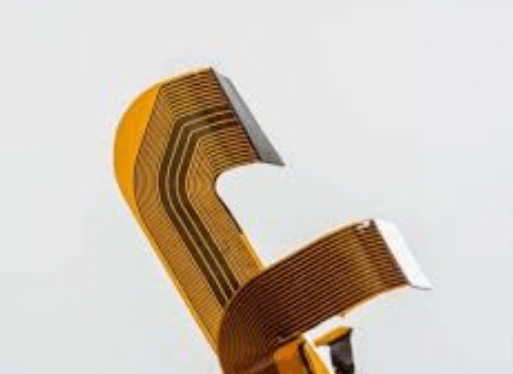
- Trace Pattern: Common patterns include serpentine, zigzag, and spiral designs. The pattern influences heat distribution and flexibility.
2. Material Selection
- Substrate Material: Polyimide is the most common substrate due to its excellent thermal stability, flexibility, and electrical insulation.
- Conductive Material: Copper is widely used for its high conductivity and cost-effectiveness. Other materials, such as nickel or silver, may be used for specific applications.
- Protective Layers: Coverlays or adhesives protect the traces from environmental damage and mechanical stress.
3. Power Requirements
- Voltage and Current: The heater’s power requirements must match the available power source. Higher voltages reduce current requirements, minimizing trace width and power loss.
- Resistance: The resistance of the traces determines the heat output. Designers can adjust trace length, width, and thickness to achieve the desired resistance.
4. Thermal Management
- Heat Distribution: The trace pattern and spacing must ensure uniform heat distribution across the heater.
- Heat Dissipation: Proper insulation and heat sinking may be required to prevent overheating and ensure efficient operation.
5. Mechanical Considerations
- Flexibility: The heater must withstand repeated bending and flexing without damage. Designers should avoid sharp bends and use flexible materials.
- Mounting: Adhesives, mechanical fasteners, or integration into the device structure can be used to secure the heater.
6. Environmental Factors
- Temperature Range: The heater must operate reliably within the required temperature range.
- Humidity and Chemical Exposure: Protective coatings or encapsulation may be necessary for harsh environments.
Applications of Flex PCB Heaters
Flex PCB heaters are used in a wide range of industries and applications, including:
- Medical Devices:
- Patient Warming Systems: Flex PCB heaters are used in blankets, pads, and mattresses to maintain patient body temperature during surgery or recovery.
- Diagnostic Equipment: Heaters are integrated into devices such as blood analyzers and PCR machines to maintain precise temperatures for accurate results.
- Aerospace:
- De-Icing Systems: Flex PCB heaters are used on aircraft wings, sensors, and cameras to prevent ice buildup.
- Thermal Regulation: Heaters maintain optimal temperatures for avionics and other sensitive equipment in extreme conditions.
- Automotive:
- Seat and Steering Wheel Heaters: Flex PCB heaters provide comfort by warming seats and steering wheels in cold weather.
- Battery Thermal Management: Heaters regulate the temperature of electric vehicle batteries to ensure optimal performance and longevity.
- Consumer Electronics:
- Wearable Devices: Flex PCB heaters are used in smart clothing and wearable devices to provide localized heating.
- Display Defogging: Heaters prevent fogging on displays in cameras, goggles, and other devices.
- Industrial Equipment:
- Process Heating: Flex PCB heaters are used in industrial processes such as plastic molding, food processing, and chemical reactions.
- Sensor Calibration: Heaters maintain precise temperatures for sensors and instruments.
Advancements in Flex PCB Heater Technology
Recent advancements in materials, manufacturing, and design techniques have expanded the capabilities of Flex PCB heaters:
- Advanced Materials:
- Graphene and Carbon Nanotubes: These materials offer high conductivity and flexibility, enabling thinner and more efficient heaters.
- High-Temperature Substrates: New materials with higher thermal stability allow Flex PCB heaters to operate at elevated temperatures.
- Additive Manufacturing:
- 3D printing and inkjet printing enable the fabrication of complex and customized heater designs with minimal waste.
- Integrated Sensors and Controls:
- Flex PCB heaters can be integrated with temperature sensors, microcontrollers, and wireless communication for smart thermal management systems.
- Energy Harvesting:
- Integration with energy harvesting technologies, such as thermoelectric generators, enables self-powered heating solutions.
- Sustainability:
- The use of eco-friendly materials and manufacturing processes reduces the environmental impact of Flex PCB heaters.
Challenges and Solutions
Despite their advantages, Flex PCB heaters face several challenges that must be addressed to ensure optimal performance:
- Thermal Stress:
- Challenge: Repeated heating and cooling cycles can cause mechanical stress and damage.
- Solution: Use flexible materials with high thermal stability and design heaters to minimize stress concentrations.
- Power Density:
- Challenge: High power densities can lead to localized overheating and failure.
- Solution: Optimize trace design and incorporate thermal management features such as heat sinks or thermal vias.
- Manufacturing Complexity:
- Challenge: Fabricating complex heater designs can be time-consuming and costly.
- Solution: Leverage advanced manufacturing techniques such as laser cutting and additive manufacturing.
- Environmental Durability:
- Challenge: Exposure to moisture, chemicals, and mechanical stress can degrade performance.
- Solution: Use protective coatings, encapsulation, and robust materials to enhance durability.
Conclusion
Flex PCB heaters represent a versatile and efficient solution for a wide range of thermal management applications. Their ability to provide uniform heating, compact form factors, and customizable designs makes them ideal for industries such as medical, aerospace, automotive, and consumer electronics. By leveraging advancements in materials, manufacturing, and design, engineers can create Flex PCB heaters that meet the demands of even the most challenging applications.
As technology continues to evolve, Flex PCB heaters will play an increasingly important role in enabling innovative solutions for thermal management. Whether it’s keeping patients warm during surgery, preventing ice buildup on aircraft, or enhancing the comfort of electric vehicles, Flex PCB heaters are at the forefront of modern heating technology.