Flex pcb ribbon cable
A flex PCB ribbon cable is a type of flexible printed circuit board that is designed to be used as a cable or connector.
It consists of a thin, flexible substrate material, such as polyimide or polyester, with conductive traces etched onto it.
The traces are arranged in a ribbon-like pattern, allowing the cable to bend and flex without breaking.
Flex PCB ribbon cables are commonly used in electronic devices that require a high degree of flexibility,
such as laptops, smartphones, and other portable devices. They are also used in industrial applications,
such as robotics and automation, where they can be used to connect sensors, motors, and other components.
Flex PCB ribbon cables offer several advantages over traditional cables, including reduced weight and size,
increased reliability, and improved signal integrity.
They can also be customized to meet specific design requirements, making them a popular choice for many different applications.
the role of flex pcb ribbon cable
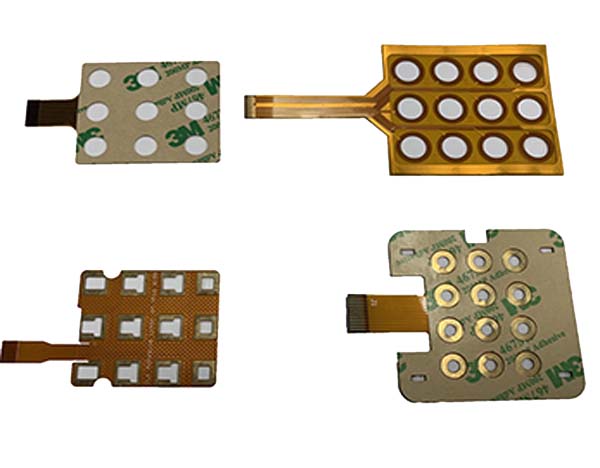
The role of flex PCB ribbon cable is to provide a flexible and reliable connection between electronic components or devices.
It allows for easy routing of signals and power between components that may be in different locations or orientations.
Flex PCB ribbon cables are particularly useful in applications where space is limited or where components need to move or flex,
such as in portable devices, robotics, and automotive applications.
They can also be used to connect components that are located on different planes or in hard-to-reach areas.
Flex PCB ribbon cables offer several advantages over traditional cables, including reduced weight and size,
increased reliability, and improved signal integrity. They can also be customized to meet specific design requirements,
making them a popular choice for many different applications.
flex pcb rules
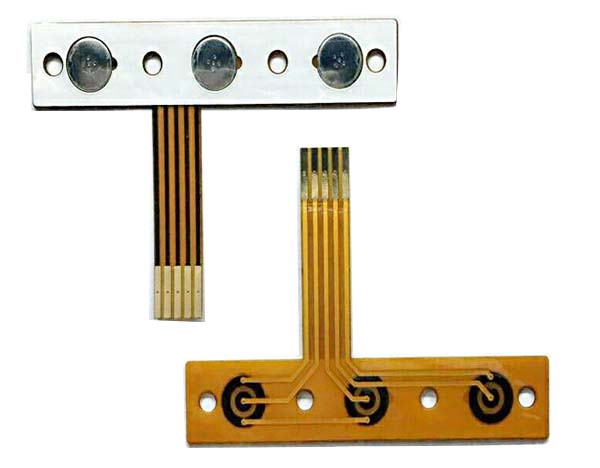
Flex PCB design rules are guidelines that must be followed to ensure the successful manufacturing and functionality of a flexible printed circuit board. Here are some of the most important flex PCB design rules:
1. Bend Radius:
The bend radius of a flex PCB is the minimum radius that the board can be bent without causing damage.
The bend radius should be specified according to the material and thickness of the board.
2. Trace Width and Spacing:
The trace width and spacing should be carefully chosen to ensure that the board can handle the required current and voltage without causing any short circuits.
3. Via Placement:
The location and size of the vias should be optimized to minimize stress on the board during bending.
4. Solder Mask:
The solder mask should be applied to both sides of the board to protect the traces from damage during assembly and use.
5. Component Placement: The placement of components on the board should be optimized to minimize stress on the board during bending and to ensure that the board can fit into the required space.
6. Material Selection:
The selection of the material for the flex PCB should be based on the application requirements, such as temperature range, flexibility, and durability.
7. Panelization:
The panelization of the flex PCB should be optimized to minimize waste and to ensure that the board can be assembled and tested efficiently.
By following these flex PCB design rules, designers can ensure that their boards are reliable, durable, and meet the requirements of their specific application.