
Skip to content
Andwin Circuits
  • Home
  • ProductsExpand
    • HDI multilayer PCB
    • Rigid Flex PCB
    • Flex pcb
    • Special PCBExpand
      • High Frequency PCBExpand
        • Rogers RO4350B PCB
        • Rogers RO4003 pcb
        • Rogers RO3003 PCB
        • Rogers 5880 PCB
        • DICLAD 527 PCB
        • Taconic TLX series
        • Taconic TLX-8 RF PCB
        • Taconic TLX-9 RF PCB
      • High speed pcbExpand
        • Megtron 6 High Speed PCB
        • TU-872 SLK Sp High Speed
      • High TG PCBExpand
        • SHENGYI SH260 PCB
        • ISOLA 370HR PCB
        • ISOLA IS410 PCB
        • ISOLA IS420 PCB
      • Heavy copper PCB
      • Copper coin pcb
      • Copper inlay PCB
    • Metal Core PCBExpand
      • Copper core pcb
      • Aluminum PCB
      • 2 Layers Aluminum PCB
      • Direct thermal MCPCB
      • 2 Layers Direct Thermal
    • Ceramic PCBExpand
      • DPC ceramic PCB
      • DBC ceramic PCB
      • Thick film Ceramic PCB
      • Al2O3 Alumina PCB
      • AIN ALN ceramic PCB
      • IGBT Ceramic PCB
  • ServiceExpand
    • PCB Assembly
    • Quick turn PCB assembly
    • PCBA conformal coating
  • IndustryExpand
    • Telecommunication
    • IoT and Wireless
    • Industrial Control
    • Thermal management
    • Power and Energy
    • IC test board
    • Automative
    • Medical
  • CapabilityExpand
    • Rigid PCB
    • Rigid flex PCB
    • Metal core PCB
    • PCB Assembly
  • TechnologyExpand
    • Blogs
    • Via in pad
    • PCB E-test
    • PCB stack up
    • MCPCB panelization
    • Controlled impedance PCB
  • AboutExpand
    • About us
    • Certification
    • Factory Tour
  • Contact
Andwin Circuits
Home / What are the methods for measuring PCB thermal resistance?

What are the methods for measuring PCB thermal resistance?

ByGrace July 21, 2025July 19, 2025

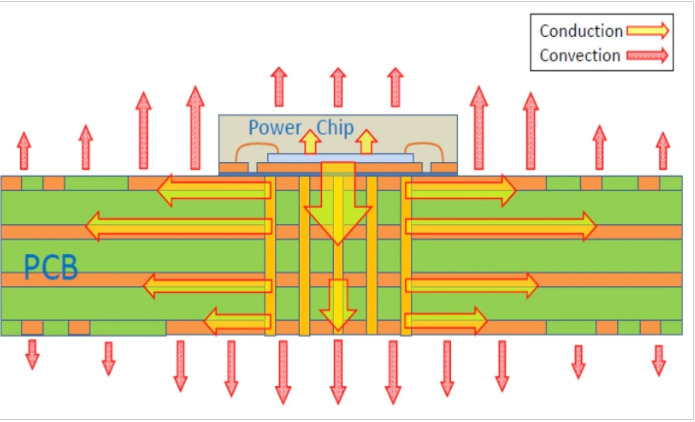
The measurement of PCB thermal resistance is a key step in evaluating the heat dissipation performance of printed circuit boards. Accurately understanding and measuring the thermal resistance of PCBs can help design more efficient heat dissipation solutions and ensure that electronic components operate within a safe temperature range. The following are several commonly used methods for measuring PCB thermal resistance:

1.Measurement of thermal conductivity

    The standard method for measuring thermal resistance relies on the concept of thermal conductivity, where thermal resistance is the inverse of the material’s ability to conduct heat.
    Contact us for PCB quote now |

    2.Guarded Heat Plate Method

      The planar structure of PCBs makes it relatively easy and quick to measure their overall thermal resistance in an unassembled state. This method directly measures thermal conductivity by monitoring the temperature difference between the two sides of the PCB as heat diffuses from hot spots to cooler areas.

      3.Omega Method

        This is a thermoelectric-based test process that uses an AC heater to heat the PCB assembly at a specific frequency, resulting in a periodic thermal response with a double frequency.

        The temperature measurement results will show a signal containing the original heating frequency and a triple frequency component, so this method is called the 3-Omega method. Thermal conductivity is directly related to the power of the frequency component and the geometry of the circuit board, but this method is mainly applicable to smaller PCBs.

        Contact us for PCB quote now |

        4.Infrared Thermography

          Infrared thermography is a non-contact measurement method that can be used to monitor the temperature distribution on the PCB surface in real time. By applying a certain power to the heating element and capturing its thermal image with an infrared camera, the heat propagation path and hot spot location can be intuitively seen. Although this method cannot directly give an accurate thermal resistance value, it provides valuable qualitative information to help identify heat dissipation problems.

          Each method has its advantages and limitations. Choosing a suitable measurement method requires considering many factors, including measurement accuracy, speed, cost, and available equipment. For R&D and quality control, multiple methods are usually combined according to actual needs to ensure that the heat dissipation design of the PCB meets the requirements.

          Contact us for PCB quote now |
          Post Tags: #4 layer pcb#4 layer pcb design#aluminum clad pcb#aluminum core pcb#aluminum core pcb led#aluminum pcb#assemble pcb

          Post navigation

          Previous Previous
          How to choose the right PCB coding equipment?
          NextContinue
          Issues to be noted when soldering PCB

          Search

          Search

          Products

          • HDI Multilayer PCB
          • Rigid Flex PCB
          • Flex pcb
          • High Frequency PCB
          • High speed pcb
          • Heavy copper PCB
          • Metal Core PCB
          • Ceramic PCB

          Address

          Andwin Circuits Co.,Limited
          Email: sales@andwinpcb.com
          Tel: +86 755 2832 9394
          Fax:+86 755 2992  6717
          ADD:1-2F-1217,HouDeQun Industrial park,
          NanTing RD NO.56,ShaJing,BaoAn,Shenzhen 518104,GuangDong,China

          Products

          • HDI Multilayer PCB
          • Rigid Flex PCB
          • Flex pcb
          • High Frequency PCB
          • High speed pcb
          • Heavy copper PCB
          • Metal Core PCB
          • Ceramic PCB

          Technology

          • Blogs
          • Via in pad
          • PCB E-test
          • PCB stack up
          • Metal core PCB panelization
          • Controlled impedance PCB

          CERTIFICATION

          Certification >>


          Copyright© 2003 - 2026 Andwin | All Rights Reserved | Powered by Andwin

          Scroll to top
          • Home
          • Products
            • HDI multilayer PCB
            • Rigid Flex PCB
            • Flex pcb
            • Special PCB
              • High Frequency PCB
                • Rogers RO4350B PCB
                • Rogers RO4003 pcb
                • Rogers RO3003 PCB
                • Rogers 5880 PCB
                • DICLAD 527 PCB
                • Taconic TLX series
                • Taconic TLX-8 RF PCB
                • Taconic TLX-9 RF PCB
              • High speed pcb
                • Megtron 6 High Speed PCB
                • TU-872 SLK Sp High Speed
              • High TG PCB
                • SHENGYI SH260 PCB
                • ISOLA 370HR PCB
                • ISOLA IS410 PCB
                • ISOLA IS420 PCB
              • Heavy copper PCB
              • Copper coin pcb
              • Copper inlay PCB
            • Metal Core PCB
              • Copper core pcb
              • Aluminum PCB
              • 2 Layers Aluminum PCB
              • Direct thermal MCPCB
              • 2 Layers Direct Thermal
            • Ceramic PCB
              • DPC ceramic PCB
              • DBC ceramic PCB
              • Thick film Ceramic PCB
              • Al2O3 Alumina PCB
              • AIN ALN ceramic PCB
              • IGBT Ceramic PCB
          • Service
            • PCB Assembly
            • Quick turn PCB assembly
            • PCBA conformal coating
          • Industry
            • Telecommunication
            • IoT and Wireless
            • Industrial Control
            • Thermal management
            • Power and Energy
            • IC test board
            • Automative
            • Medical
          • Capability
            • Rigid PCB
            • Rigid flex PCB
            • Metal core PCB
            • PCB Assembly
          • Technology
            • Blogs
            • Via in pad
            • PCB E-test
            • PCB stack up
            • MCPCB panelization
            • Controlled impedance PCB
          • About
            • About us
            • Certification
            • Factory Tour
          • Contact
          Search