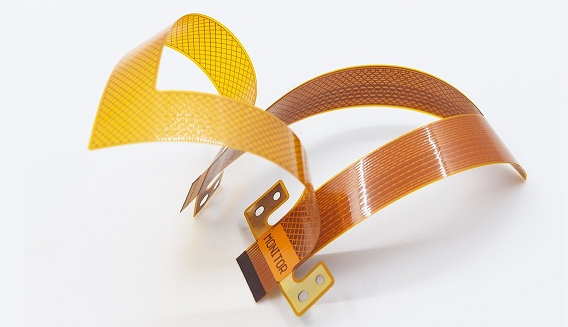
Flat flex pcb
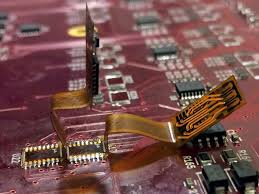
Advantages Of Using Flat Flex PCBs In Modern Electronics Flat flex printed circuit boards (PCBs) have become increasingly prevalent in…

Advantages Of Using Flat Flex PCBs In Modern Electronics Flat flex printed circuit boards (PCBs) have become increasingly prevalent in…
In an era where technology and automotive industries converge, automotive PCB manufacturers are at the forefront of innovation. This article explores the crucial role these manufacturers play in enhancing vehicle performance, safety, and connectivity through advanced printed circuit boards. As electric and autonomous vehicles gain prominence, the demand for high-quality, reliable PCBs continues to soar. We delve into the latest technological advancements, market trends, and the challenges faced by these manufacturers in driving the future of mobility. Discover how their contributions are shaping a new age of smart transportation and redefining engineering standards on the road.
Common Issues and Solutions in Fix Flex PCBs Flex PCBs, or flexible printed circuit boards, are increasingly popular in modern…
Bill Of Materials (BOM) Files needed for pcb assembly,such as the Bill of Materials (BOM) is a critical document in…
Fundamentals Of FCT In PCB Assembly Functional Circuit Testing (FCT) in Printed Circuit Board (PCB) assembly is a critical process…
In “Unlocking Innovation: The Future of Custom PCB Printing,” we explore the transformative potential of custom PCB printing in today’s technology landscape. As demand for advanced electronics surges, this article delves into cutting-edge techniques that enhance design flexibility, reduce production costs, and accelerate time-to-market. Discover how custom PCB printing is revolutionizing industries by enabling rapid prototyping and tailored solutions, fostering innovation across sectors. With insights into emerging technologies and market trends, this piece highlights the critical role of custom PCBs in driving the future of electronics development and manufacturing.
Benefits Of Fast PCB Prototyping For Startups Fast PCB prototyping offers numerous benefits for startups, providing a competitive edge in…
Benefits Of Fast PCB Assembly For Startups Fast PCB assembly offers numerous benefits for startups, providing a competitive edge in…
Advantages Of Using Expose Copper Flex PCB In Modern Electronics Expose copper flex PCBs, or flexible printed circuit boards, have…
Introduction To Etching PCB Manufacturing Printed Circuit Boards (PCBs) are the backbone of modern electronic devices, serving as the platform…
Advantages Of Using The ESR1000 High Speed PCB Router The ESR1000 high speed PCB router offers a multitude of advantages…
Benefits Of Implementing ERP for PCB Manufacturing Implementing an Enterprise Resource Planning (ERP) system in Printed Circuit Board (PCB) manufacturing…
In “Unlocking Innovation: Your Guide to Choosing the Right Custom PCB Manufacturer,” discover essential insights on selecting the perfect partner for your printed circuit board needs. This comprehensive guide highlights key factors like manufacturing capabilities, material quality, turnaround times, and certifications to ensure you make an informed decision. With the right custom PCB manufacturer, you can elevate your projects and drive innovation effectively. Learn to navigate the complexities of the PCB industry and unlock new possibilities for your designs while maintaining high standards of quality and reliability.
In “Revving Up Innovation: The Future of Automotive PCB Assembly,” we explore the evolving landscape of automotive printed circuit board (PCB) assembly, highlighting advancements in technology and design. As electric and autonomous vehicles take center stage, the demand for high-performance, reliable PCBs is greater than ever. This article delves into cutting-edge manufacturing techniques, the integration of smart components, and sustainable practices that are reshaping the industry. Discover how innovative approaches in automotive PCB assembly are driving efficiency, enhancing safety features, and paving the way for a smarter and greener future on the roads.
In “Revolutionizing Electronics: The Future of Automated PCB Manufacturing,” we explore how advancements in automation are transforming the printed circuit board (PCB) production landscape. This article delves into the latest technologies and innovations that enhance efficiency, accuracy, and scalability in PCB manufacturing. With a focus on reducing lead times and minimizing human error, we examine the implications of automation on cost reduction and product quality. Discover how this revolution is not only reshaping manufacturing processes but also paving the way for more innovative electronic devices in various industries.