Basic points for PCB component welding
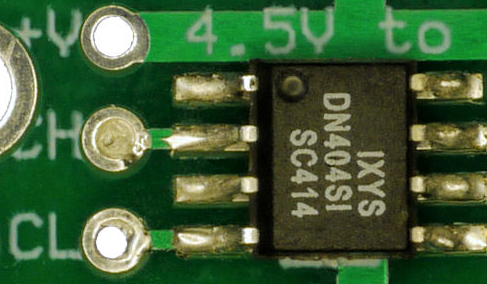
Before welding: During welding: After welding: Soldering specifications for mounted components:
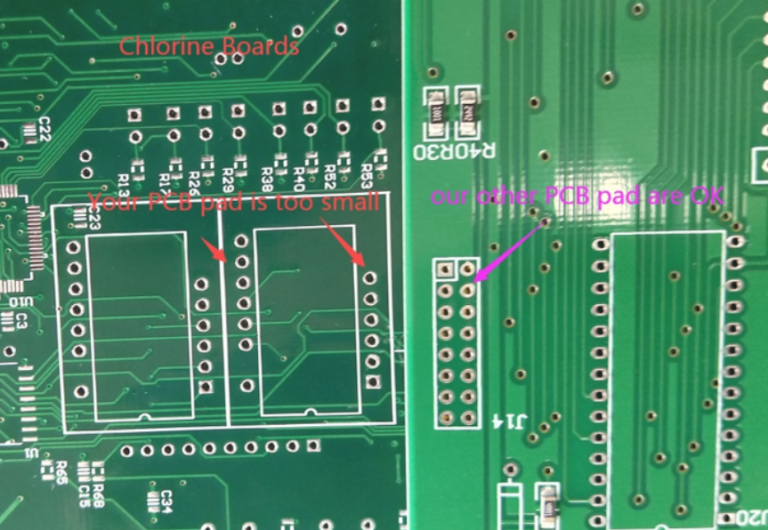
Before welding: During welding: After welding: Soldering specifications for mounted components:
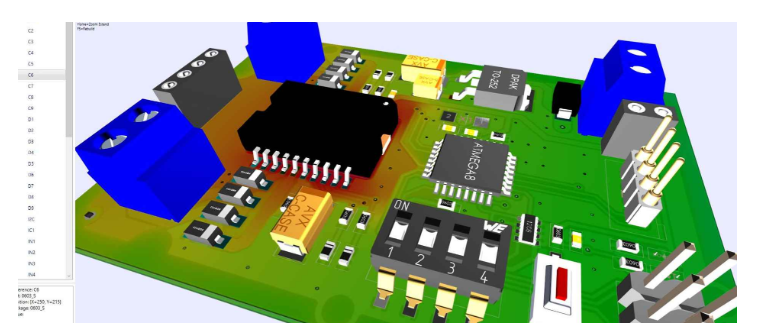
Conductive Anodic Filament (CAF) Phenomenon and Its Impact In the manufacturing of high-tech electronic products, especially in the automotive electronics and military fields with extremely high requirements for environmental adaptability, the high temperature and high humidity resistance of the products are particularly important. As electronic products develop towards higher integration, the hole spacing on the…

The falling off of PCB (printed circuit board) pads is a common problem that can cause electronic devices to not work properly. This article will introduce the causes and solutions for pads falling off in detail. 1.Causes of pads falling off Summary: Pad shedding is one of the common problems in PCB manufacturing and use….

Introduction Thermal management is a critical aspect of modern electronic design, particularly as devices become more compact and power-dense. Printed Circuit Boards (PCBs) serve as the backbone of electronic systems, providing mechanical support and electrical connectivity. However, the choice of PCB material significantly influences heat dissipation, which in turn affects device reliability, performance, and longevity….

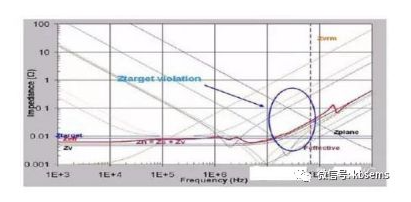
When designing more complex boards, you must make some design trade-offs, and these trade-offs will have some factors that affect the design of the power distribution network of the PCB. When the capacitor is installed on the PCB board, there will be an additional loop inductance, which is related to the installation of the capacitor….

Introduction Printed Circuit Boards (PCBs) are essential components in modern electronics, providing the foundation for mounting and interconnecting electronic components. During the manufacturing process, PCBs are often produced in panels containing multiple boards to optimize production efficiency. After assembly, these panels must be separated into individual PCBs, and any excess material must be trimmed to…

Abstract This paper presents a comprehensive design methodology for laser projection lithography illumination systems used in printed circuit board (PCB) manufacturing. The illumination system is a critical component that determines the quality, resolution, and throughput of the lithographic process. We examine the optical requirements, system architecture, key components, and performance optimization techniques for PCB laser…

Introduction Home automation has revolutionized modern living by integrating technology into everyday household functions. From lighting and climate control to security and entertainment, automation enhances convenience, energy efficiency, and security. One of the most exciting aspects of home automation is the ability to design and build custom solutions using Printed Circuit Boards (PCBs). Open-source PCB…

Abstract This paper presents a comprehensive design approach for a printed circuit board (PCB) that monitors heart rate during physical exercise. The system integrates photoplethysmography (PPG) sensors, signal conditioning circuitry, microcontroller processing, and wireless communication capabilities to provide real-time heart rate data for fitness enthusiasts and athletes. The design considerations include power efficiency, motion artifact…

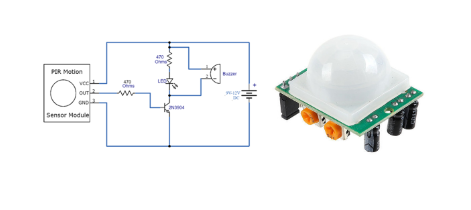
Abstract This paper presents a comprehensive guide to designing a motion-activated lighting system using printed circuit board (PCB) technology. The article covers the fundamental principles of motion detection, circuit design considerations, PCB layout techniques, and implementation strategies for creating an efficient and reliable motion-sensing light. By integrating passive infrared (PIR) sensors with microcontroller-based processing and…

Judging the quality of a PCB board from its color First of all, as a printed circuit board, PCB mainly provides interconnections between electronic components. There is no direct relationship between color and performance, and different pigments do not affect electrical properties. The performance of a PCB board is determined by factors such as the…

Introduction Printed Circuit Boards (PCBs) are the backbone of modern electronics, found in everything from smartphones to industrial machinery. However, one of the most overlooked yet destructive threats to PCB manufacturing and assembly is electrostatic discharge (ESD). Often invisible and undetectable without specialized equipment, static electricity can cause catastrophic failures, reduce product reliability, and lead…

Introduction Printed Circuit Board (PCB) design has evolved significantly from its purely functional origins. Today, PCB designers increasingly incorporate graphical elements into their boards for both aesthetic and functional purposes. This 2000-word article explores the various methods, considerations, and best practices for adding graphics to PCBs, covering silkscreen artwork, copper pour graphics, solder mask designs,…

Preface: The automotive electronics market is the third largest application area of PCBs after computers and communications. As automobiles gradually evolve and develop from traditional mechanical products to intelligent, information-based, and mechatronic high-tech products, electronic technology has been widely used in automobiles. Whether it is the engine system, chassis system, safety system, information system, or…

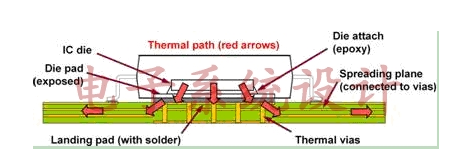
Surface mount IC packages rely on printed circuit boards (PCBs) to dissipate heat. In general, PCBs are the primary cooling method for high power semiconductor devices. A good PCB thermal design can make a huge difference, either allowing the system to operate well or creating a potential thermal failure. Careful handling of PCB layout, board…