
Rigid-Flex PCB Cost Analysis: When is It Worth the Investment?
Rigid-flex PCB costs 2-5× more per unit than conventional rigid PCB designs, yet manufacturers report 15-30% total system cost reduction after adoption. The paradox resolves when you shift from per-board pricing to system-level economics.
Your procurement team sees a $120 rigid-flex board versus a $35 rigid board and rejects the quote. They miss the $60 in eliminated connectors, the $40 reduction in assembly labor, the 40% drop in field failures, and the smaller enclosure that cuts $15 from your BOM. At 2,000 units annually, rigid-flex delivers lower total cost despite the board premium.
This guide breaks down rigid-flex PCB cost drivers, quantifies ROI through connector elimination and reliability gains, identifies volume break-even points, and provides decision frameworks for aerospace systems, medical devices, wearables, and industrial products where investment pays off.
Understanding Rigid-Flex PCB Cost Structure
Rigid-flex PCB manufacturing costs stem from material complexity, specialized processes, and lower panel utilization compared to rigid boards.
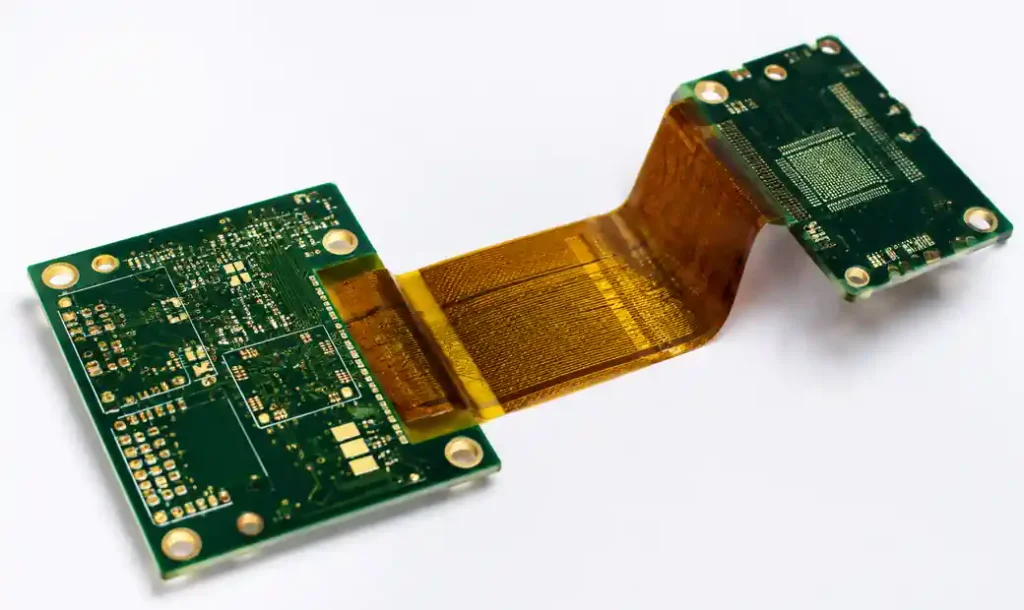
Primary Cost Drivers:
- Lamination Cycles: Multiple flex-to-rigid transitions require 3-4 lamination passes versus one cycle for rigid boards, adding 8-12 hours process time per cycle.
- Flex Materials: Polyimide costs $180-$280 per square meter versus $45-$75 for FR4. Rolled-annealed copper costs 40-60% more than standard copper.
- Panel Utilization: Rigid-flex unfold dimensions reduce usable panel area to 60-75% versus 80-90% for rigid boards, directly increasing per-unit cost.
- Manufacturing Yield: Tight bend radii and complex fold patterns lower yield from 95-98% to 85-92%, increasing scrap costs.
| Cost Component | Rigid PCB | Rigid-Flex PCB | Cost Multiple |
|---|---|---|---|
| Substrate Material (per sq meter) | $45-$75 (FR4) | $180-$280 (Polyimide) | 3-4× |
| Copper Foil | $8-$12 (ED copper) | $12-$18 (RA copper) | 1.5× |
| Lamination Cycles | 1 cycle | 3-5 cycles | 3-5× process time |
| Panel Utilization | 80-90% | 60-75% | 1.2-1.5× waste |
| Manufacturing Yield | 95-98% | 85-92% | 1.1-1.15× scrap cost |
The 2-5× cost premium reflects genuine manufacturing complexity. Board-level costs ignore system savings that flip the economics at volume.
Cost Comparison: Rigid-Flex vs Multi-Board Systems
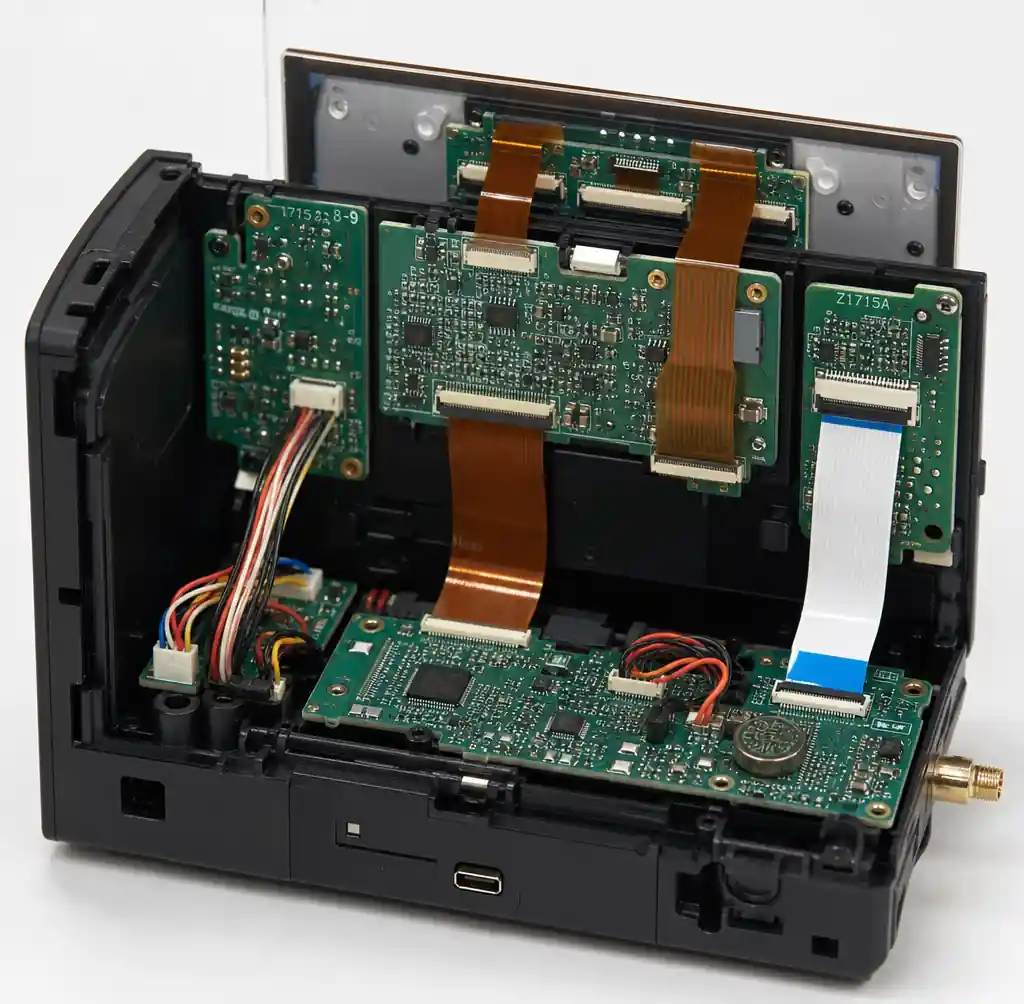
Total system cost analysis reveals rigid-flex advantages that per-board pricing obscures. Compare finished interconnected assemblies, not bare boards.
Cost Breakdown Example: Wearable Fitness Device (1,000 units)
| Cost Factor | Multi-Board System (3 rigid PCBs + cables) | Rigid-Flex Solution (single assembly) |
|---|---|---|
| PCB Fabrication | 3 boards @ $25 = $75 | $120 |
| Connectors (FPC/board-to-board) | 4 connectors @ $8 = $32 | $0 (eliminated) |
| Cables | 2 FPC cables @ $6 = $12 | $0 (integrated) |
| Assembly Labor | 18 minutes @ $1.20/min = $21.60 | 8 minutes @ $1.20/min = $9.60 |
| Testing Time | 12 connection points × 30s = 6 min | 2 connection points × 30s = 1 min |
| Rework/Yield Loss | 3.5% failure rate × $140 = $4.90 | 1.2% failure rate × $130 = $1.56 |
| Enclosure Size | Larger volume +$8 material | Compact design baseline |
| Total Per-Unit Cost | $153.50 | $131.16 |
| Total Program Cost (1,000 units) | $153,500 | $131,160 |
Result: Rigid-flex saves $22,340 (14.5%) at 1,000 units despite 60% higher board cost. Crossover occurs around 500-800 units for this category.
Volume Economics and Break-Even Analysis
Rigid-flex PCB cost per unit drops dramatically with volume as fixed tooling costs amortize across more boards.
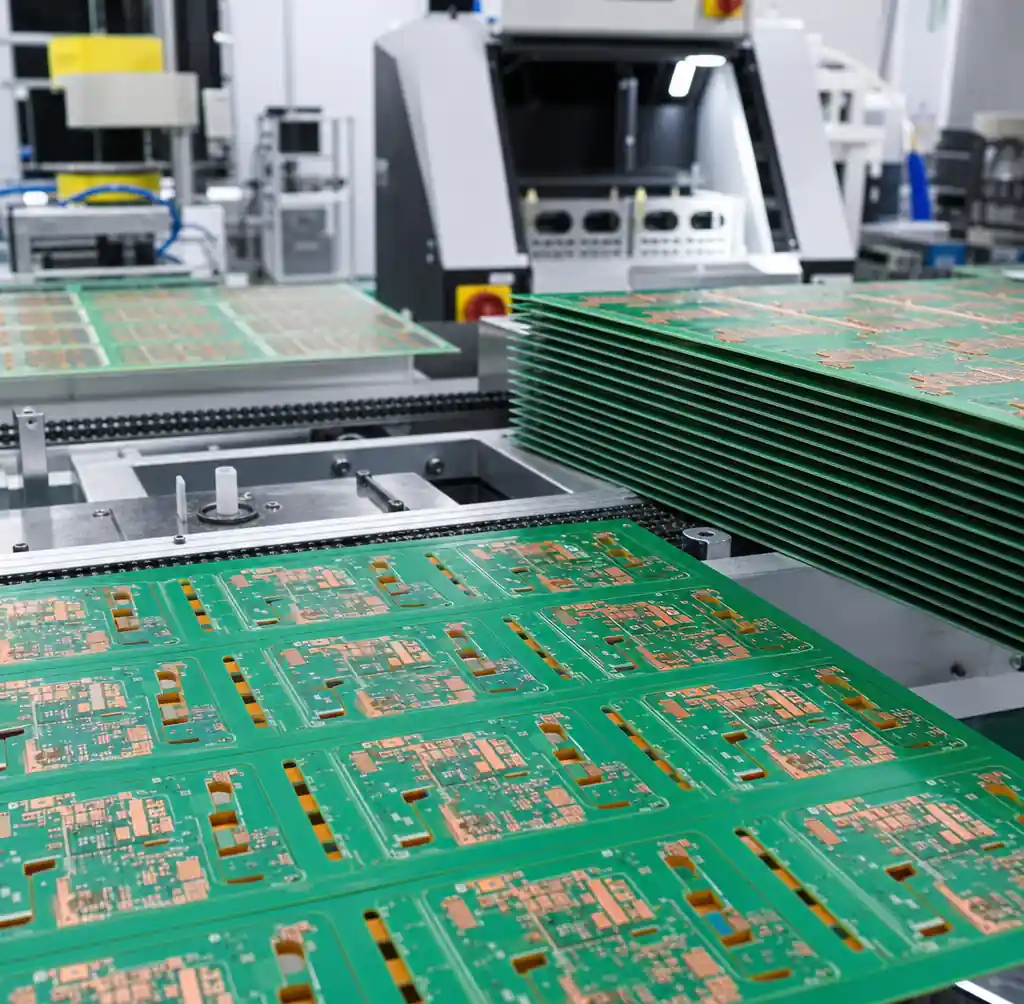
Price Per Unit by Volume (8-layer rigid-flex, 100×80mm unfold):
| Volume | Cost Per Board | Dominant Cost Factor |
|---|---|---|
| Prototype (1-10 units) | $600-$1,200 | Tooling, engineering setup, minimum charges |
| Low Volume (50-100) | $180-$280 | Tooling amortization, material waste |
| Mid Volume (500-1,000) | $80-$140 | Material and process costs dominant |
| High Volume (5,000+) | $35-$70 | Optimized panel utilization, process efficiency |
| Mass Production (50,000+) | $18-$35 | Full automation, volume material pricing |
The 10-20× drop reflects fixed tooling spreading across more units. Rigid-flex PCB capability determines achievable costs through panel optimization.
Break-Even typically occurs at:
- Simple products (2-3 boards): 1,500-2,500 units
- Moderate complexity (3-5 boards): 1,000-2,000 units
- High complexity (5+ boards): 500-1,200 units
ROI Calculation: System-Level Savings
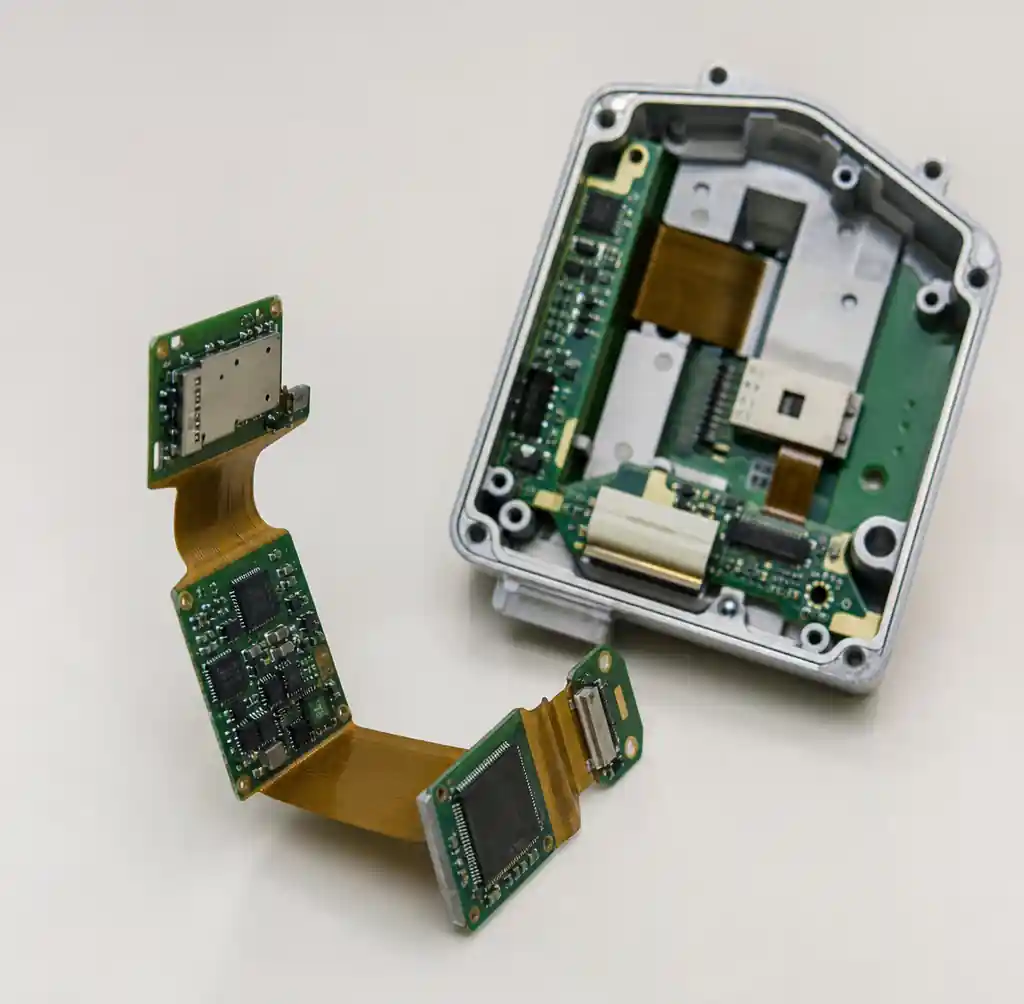
Quantifying rigid-flex ROI requires tracking savings beyond board fabrication across the entire product lifecycle.
ROI Categories:
1. Direct Cost Savings: Connector elimination ($5-$50 per interconnect), cable removal ($3-$25 per cable), 40-60% less assembly labor, smaller enclosures (15-30% volume reduction).
2. Reliability Savings: Connectors cause 35-45% of field returns. Each failure costs $40-$200. Rigid-flex eliminates 60-90% of interconnect failures, improving MTBF by 40-60%.
3. Manufacturing Efficiency: Fewer connection points reduce testing time and rework (1.2% vs 3.5%). Simplified PCB assembly increases throughput.
4. Supply Chain: Single part number replaces 8-15 components, reducing inventory carrying costs.
ROI Example: Industrial Sensor (5,000 units/year, 3-year lifecycle)
Rigid-flex incremental cost of $45/unit is offset by $60/unit savings (connectors, assembly, enclosure, reliability). Net benefit: $15/unit × 15,000 units = $225,000. After $12,000 NRE, total ROI reaches 1,775% over 3 years. Break-even at 800 units (4.8 months).
When Rigid-Flex Investment Makes Sense

Rigid-flex PCB delivers measurable ROI in applications where its unique capabilities solve genuine technical or business problems.
Strong Candidates for Rigid-Flex:
1. Space-Constrained Products: Wearables, medical implantables, drones, automotive sensors where 3D packaging reduces volume 30-50%.
2. High-Reliability Requirements: Medical devices, aerospace avionics (MIL-STD-810), automotive under-hood electronics, industrial equipment where connector failures pose risk.
3. Dynamic Flexing: Printer heads, laptop hinges, robotic arms requiring 100,000+ flex cycles.
4. High Production Volumes: Consumer electronics above 5,000 units/year where assembly labor dominates BOM.
Decision Trigger: Choose rigid-flex when at least two conditions apply: annual volume exceeds 2,000 units, size/weight is critical, reliability exceeds 100,000 hours MTBF, or dynamic flexing required.
When Traditional Rigid PCB is Better
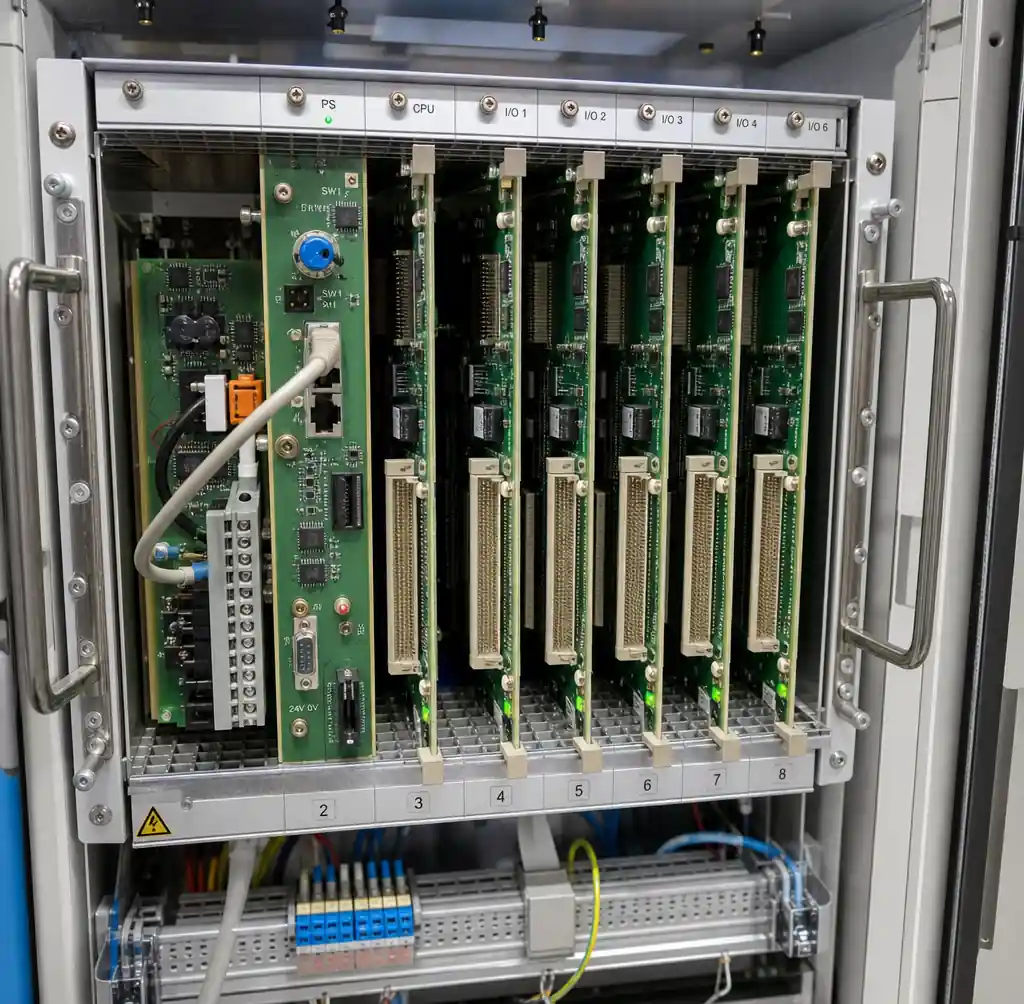
Traditional rigid PCB with discrete interconnects remains the optimal choice for many applications despite rigid-flex advantages.
Choose Multi-Board Rigid PCB Systems When:
1. Low Production Volumes: Prototypes, industrial equipment with 100-500 units/year, specialized test equipment where NRE amortization dominates.
2. Simple Interconnects: Two boards with single cable, static connections, adequate space for connectors, no size constraints.
3. Modular Product Architecture: Field-upgradeable subsystems, option variations, repair strategy requires module replacement, independent testing needed.
4. Design Flexibility: Frequent iterations during development, board placement uncertainty, mixed revision builds.
5. Thermal Management: High-power sections need metal-core PCB or thick copper incompatible with flex, components requiring chassis thermal contact.
Cost Example: 300 units/year with 3 boards and 4 connectors: Multi-board costs ~$145/unit vs rigid-flex ~$175/unit. Traditional approach saves $30/unit ($9,000 annually). At this volume, rigid-flex NRE never amortizes.
Design Amortization and NRE Considerations
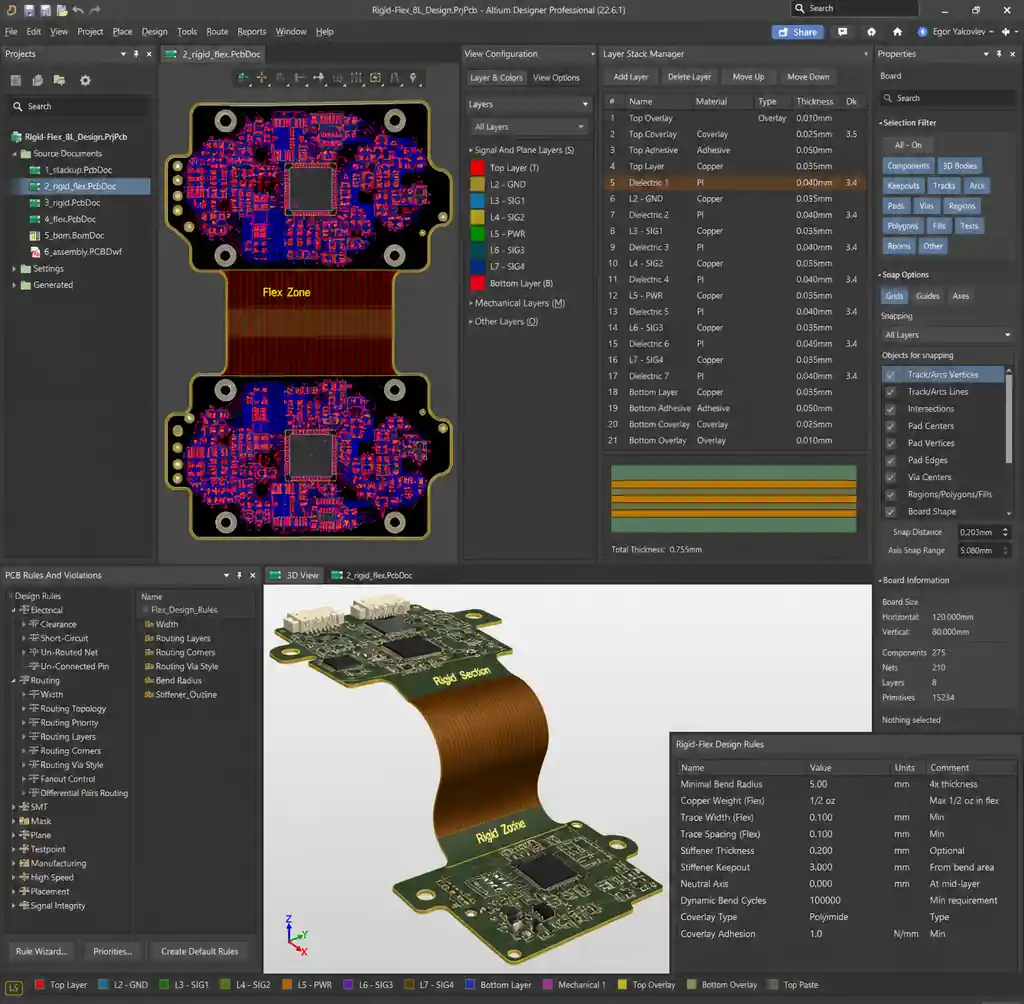
Rigid-flex PCB requires higher upfront investment in design, tooling, and qualification that must amortize across production volume.
NRE Cost Breakdown:
| NRE Component | Typical Cost Range | One-Time or Recurring |
|---|---|---|
| Rigid-Flex PCB Design (specialized layout) | $8,000-$25,000 | One-time |
| Bend Simulation and Analysis | $2,000-$5,000 | One-time |
| Coverlay and Stiffener Tooling | $1,500-$4,000 | One-time per design |
| Electrical Test Fixture | $3,000-$8,000 | One-time |
| First Article Inspection | $1,200-$2,500 | One-time |
| Qualification Testing (environmental, reliability) | $5,000-$15,000 | One-time for critical applications |
| Design Iterations (2-3 typical) | $4,000-$12,000 | One-time |
| Total NRE Investment | $15,000-$50,000 | Amortized across production |
Amortization Example: Total NRE of $22,000 with $18 per-unit savings versus multi-board yields break-even at 1,222 units. At 2,000 units/year, payback occurs in 7.3 months.
Strategies to Reduce NRE Impact: Consult rigid-flex PCB manufacturer early to avoid redesigns, use standard bend radii and stiffener designs, build 5-10 prototypes for validation before production tooling, negotiate NRE credits against volume commitments, and leverage platform designs across product families to spread costs over multiple SKUs.
For uncertain volume forecasts, use staged development: rigid PCB prototype → low-volume rigid with flex cables → high-volume rigid-flex after market validation.
FAQs
What is the minimum order quantity for rigid-flex PCB?
Most manufacturers set MOQ at 5-10 pieces for prototypes and 25-50 pieces for production. However, per-unit cost at MOQ volumes ($400-$800/board) makes rigid-flex uneconomical unless technical requirements mandate it. Plan for 200-500 units annually minimum.
How much does rigid-flex PCB cost compared to rigid PCB?
Bare board cost: 2-5× higher than rigid PCB at equivalent volumes. System cost: rigid-flex typically delivers 15-30% savings above 2,000 units when connector elimination, assembly labor, and reliability improvements factor in.
At what volume does rigid-flex become cost-effective?
Break-even typically occurs at 1,000-2,500 units for products replacing 3-5 rigid boards with multiple interconnects. Simple two-board products may require 3,000+ units. Complex products with 6+ boards can justify rigid-flex at 500-800 units.
Can I start with rigid PCB and switch to rigid-flex later?
Yes. Develop and validate with traditional rigid PCB and cables (lower NRE, faster iterations). Transition to rigid-flex after confirming market demand justifies volume and NRE investment. Plan mechanical envelope assuming future rigid-flex to avoid redesign constraints.
What hidden costs should I consider in rigid-flex ROI?
Factor in: specialized assembly fixtures for handling rigid-flex during component placement, engineer training for design rules, potential yield loss during ramp-up (first 100-200 units), longer lead times (15-25 days vs 7-15 days for rigid PCB), and limited second-source options.
Does rigid-flex PCB require special assembly processes?
Standard PCB assembly processes apply with minor adaptations. Fixtures hold rigid-flex flat during placement and reflow, avoid excessive bending before soldering, conformal coating requires masking flex sections, and manual handling prevents damage to unsupported areas.
Conclusion
Rigid-flex PCB cost analysis demands system-level perspective. The 2-5× board fabrication premium becomes economically justified when you quantify connector elimination, reduced assembly labor, higher reliability, and compact packaging advantages that reduce total product cost by 15-30% at moderate volumes.
Break-even typically occurs at 1,000-2,500 units for products replacing multiple rigid boards with interconnects. Applications with extreme space constraints, harsh reliability environments, or dynamic flexing requirements justify rigid-flex at lower volumes despite higher per-unit cost.
For new products with uncertain demand, start development with traditional rigid PCB to minimize NRE risk, then transition to rigid-flex after market validation confirms production volume. For established products above 2,000 units annually with multiple interconnects, rigid-flex delivers measurable ROI within 6-12 months.
The investment pays off when technical requirements align with rigid-flex capabilities and production volume amortizes design costs across thousands of units.