4 major characteristics of PCB plugging resin
Do you know about PCB plugging resin? Today, the editor of Jieduobang will talk to you about the characteristics of PCB plugging resin.
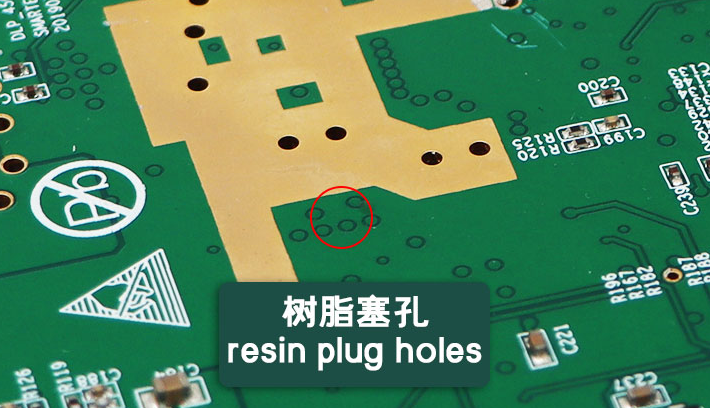
PCB plugging resin refers to a resin material used to fill blind holes in the PCB manufacturing process. It is usually called blind via fill resin (Blind Via Fill Resin) or blind via fill gel (Blind Via Fill Gel).
In PCB manufacturing, designers create blind vias when assembly, connection or signal transmission through multi-layer PCBs is required. However, since blind vias are only visible on one side of the PCB, in order to ensure that there are no voids or bubbles inside the blind vias and to provide good electrical connections and mechanical strength, plugging resin is needed to fill these blind vias.
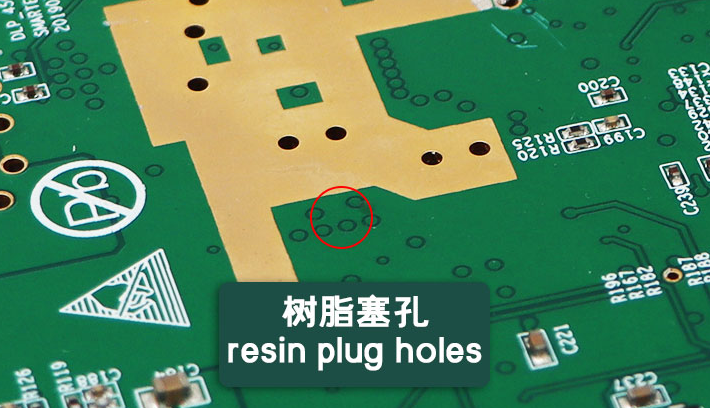
PCB plugging resins usually have the following characteristics:
Low viscosity: This allows the resin to automatically flow in the blind vias and fill the voids, ensuring good filling effects.
Fast curing: Plug resins usually have fast curing properties to increase efficiency during the manufacturing process.
High thermal stability: Plug resins need to have good thermal stability to ensure that their filling effect remains unchanged under high temperature conditions.
Excellent electrical properties: Filling resins should have good conductivity and insulation to ensure reliable electrical connections inside blind vias.
Using plug resins can increase the reliability and mechanical strength of PCBs and help improve signal transmission quality. They can also prevent solder from flowing into blind vias and affecting other circuit components during surface assembly.