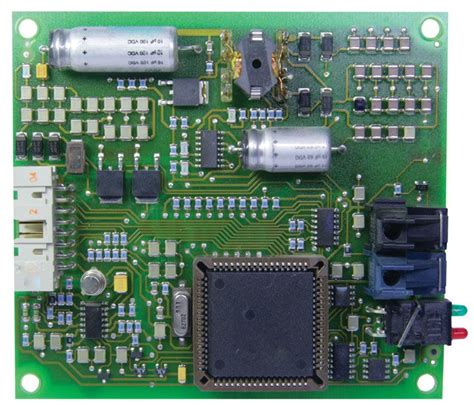
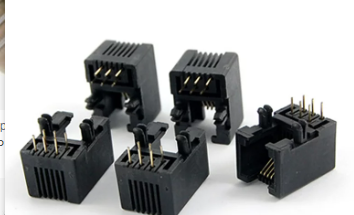
6 pin pcb connector
Selection and Application Guide for 6 Pin PCB Connectors
In the process of electronic equipment design and manufacturing, the selection and application of 6 Pin PCB connectors are crucial.
First of all, understanding the basic functions and characteristics of 6 Pin PCB connectors is the premise of selecting suitable connectors.
6 Pin PCB connectors are usually used to transmit signals and power on circuit boards to other circuit boards or devices. They have six pins, each of which can transmit different signals or power, thus realizing complex circuit connections.
Next, choosing a suitable 6 Pin PCB connector requires considering multiple factors.
- The first is electrical performance,
including current and voltage ratings. Make sure that the connector can withstand the maximum current and voltage in the circuit to avoid overload and damage.
- The second is mechanical performance,
such as plug-in and pull-out force and durability. The plug-in and pull-out force should be moderate, which should ensure a firm connection and be easy to install and remove.
Durability is related to the service life of the connector, which usually needs to undergo thousands of plug-in and pull-out operations without damage.

In addition, environmental factors are also important aspects to consider when selecting 6 Pin PCB connectors.
Different application environments have different requirements for connectors. For example, connectors used in high temperature or humid environments need to have good temperature and moisture resistance.
In an environment with large vibration, the anti-seismic performance of the connector is particularly important. Choosing a connector suitable for a specific environment can improve the reliability and service life of the equipment.
In practical applications, 6 Pin PCB connectors are widely used in various electronic devices.
- For example, in computers and communication equipment, 6 Pin PCB connectors are used to connect the motherboard and peripherals to achieve data and signal transmission.
- In industrial control systems, such connectors are used to connect sensors and controllers to ensure the stable operation of the system. In addition, in automotive electronics and household appliances, 6 Pin PCB connectors also play an important role in providing reliable electrical connections
In order to ensure the correct application of 6 Pin PCB connectors, attention should also be paid to installation and maintenance. During installation, the manufacturer’s instructions should be strictly followed to ensure the correct docking of the connector with the circuit board. During maintenance, regularly check the status of the connector, clean the contact surface, and prevent dust and oxide from affecting the connection quality. If the connector is found to be damaged or in poor contact, it should be replaced in time to avoid affecting the normal operation of the equipment.
In summary, the selection and application of 6 Pin PCB connectors requires comprehensive consideration of electrical performance, mechanical performance, environmental factors, and actual application requirements. Through reasonable selection and correct use, the reliability and performance of electronic equipment can be improved to ensure its stable operation in various environments.