
altium metal core pcb
Metal Core PCBs: The Ultimate Solution for High-Power Applications
In today’s world, the demand for high-performance electronic devices is increasing day by
day. With the advancement of technology, the need for compact and energy-efficient devices
is also increasing. However, with higher performance comes the challenge of managing the
heat generated by these devices. This is where metal core PCBs come into play. In this
article, we will discuss the benefits of using metal core PCBs and how they can be used to
design high-power electronic devices.
What are Metal Core PCBs?
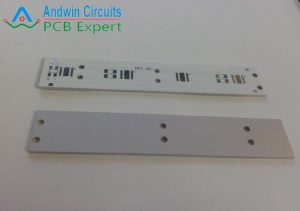
Metal core PCBs, also known as MCPCBs, are printed circuit boards that have a metal core
layer instead of a traditional FR-4 epoxy fiberglass substrate. The metal core layer is
typically made of aluminum, copper, or a combination of both. The metal core acts as a heat
sink, which helps to dissipate the heat generated by the components mounted on the PCB.
Benefits of Metal Core PCBs
1. Thermal Management: The primary benefit of using metal core PCBs is their excellent
thermal management capabilities. The metal core layer acts as a heat sink, which helps to
dissipate the heat generated by the components mounted on the PCB. This ensures that the
components operate at their optimal temperature, which improves their performance and
reliability.
2. High Power Capability: Metal core PCBs are capable of handling high power loads without
overheating. This makes them ideal for use in high-power applications such as LED lighting,
power supplies, and motor controllers.
3. Improved Mechanical Strength: Metal core PCBs have improved mechanical strength compared
to traditional FR-4 PCBs. The metal core layer provides additional rigidity and durability,
which makes them less prone to damage during handling and assembly.
4. Reduced Size and Weight: Metal core PCBs are thinner and lighter than traditional FR-4
PCBs. This makes them ideal for use in compact devices where space and weight are critical
factors.
Applications of Metal Core PCBs
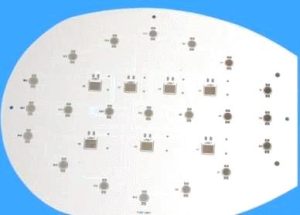
1. LED Lighting: Metal core PCBs are widely used in LED lighting applications. The high
power capabilities and excellent thermal management make them ideal for use in high-power
LED lighting fixtures.
2. Power Supplies: Metal core PCBs are also used in power supply applications. The high
power handling capabilities and improved thermal management make them ideal for use in
high-power switching power supplies.
3. Motor Controllers: Metal core PCBs are also used in motor controller applications. The
improved mechanical strength and high power handling capabilities make them ideal for use
in high-power motor control applications.
Conclusion
Metal core PCBs are the ultimate solution for high-power electronic devices. The excellent
thermal management capabilities, high power handling capabilities, improved mechanical
strength, and reduced size and weight make them ideal for use in a wide range of
applications. If you are designing a high-power electronic device, consider using a metal
core PCB to ensure optimal performance and reliability.