
metal core pcb specification
Metal core PCBs (Printed Circuit Boards) are a type of PCB that are designed to provide
superior thermal performance. They are used in applications where heat dissipation is
critical, such as LED lighting, power supplies, and automotive electronics. Metal core PCBs
are also known as MCPCBs or thermal PCBs.
The metal core of the PCB acts as a heat sink, which helps to dissipate heat away from the
components on the board. The metal core is usually made of aluminum, but it can also be
made of copper or a combination of both. The metal core provides a stable and rigid base
for the PCB, which helps to prevent warping and cracking.
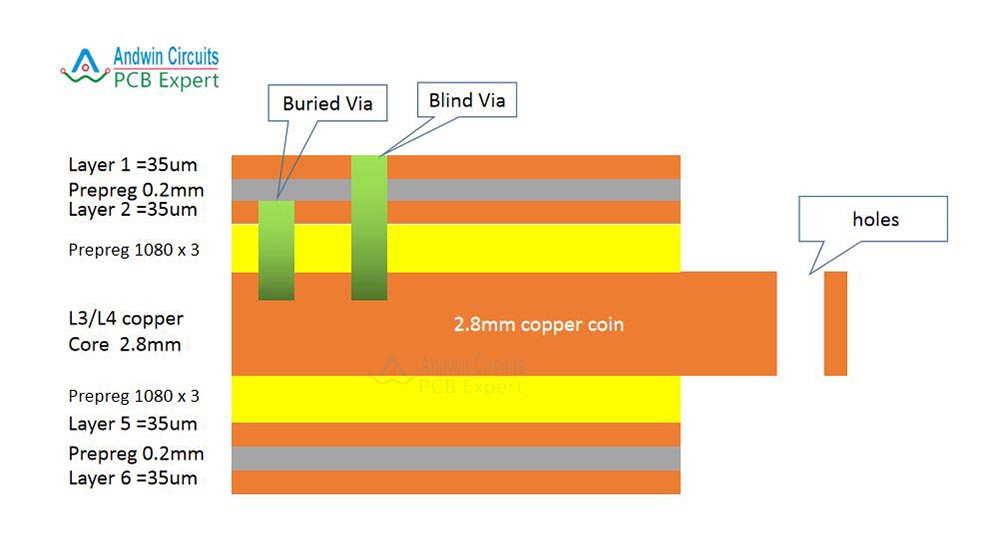
Metal core PCBs are designed to be used with high-power components that generate a lot of
heat. These components include power transistors, voltage regulators, and diodes. The metal
core helps to keep these components cool, which helps to extend their lifespan and improve
their performance.
One of the key benefits of metal core PCBs is their ability to handle high temperatures.
They can operate at temperatures up to 150°C, which is much higher than standard FR4 PCBs.
This makes them ideal for use in high-temperature environments, such as automotive and
industrial applications.
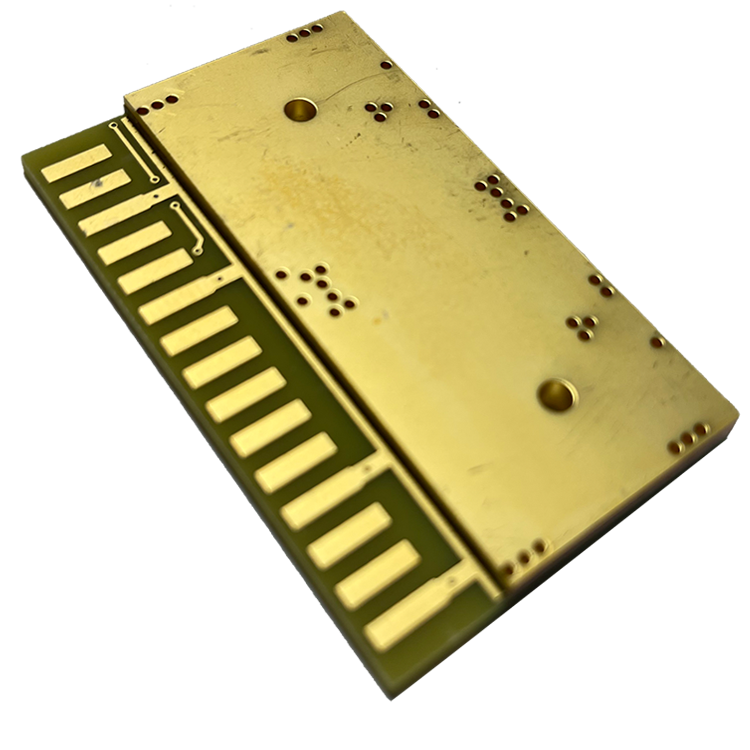
Metal core PCBs are also designed to be highly reliable. They are resistant to vibration
and shock, which helps to prevent damage to the components on the board. They are also
resistant to moisture and corrosion, which helps to extend their lifespan and improve their
performance.
When designing a metal core PCB, there are several factors that need to be taken into
consideration. These include the size and shape of the board, the type of metal core
material used, and the layout of the components on the board. The design of the metal core
PCB must also take into account the thermal properties of the components being used.
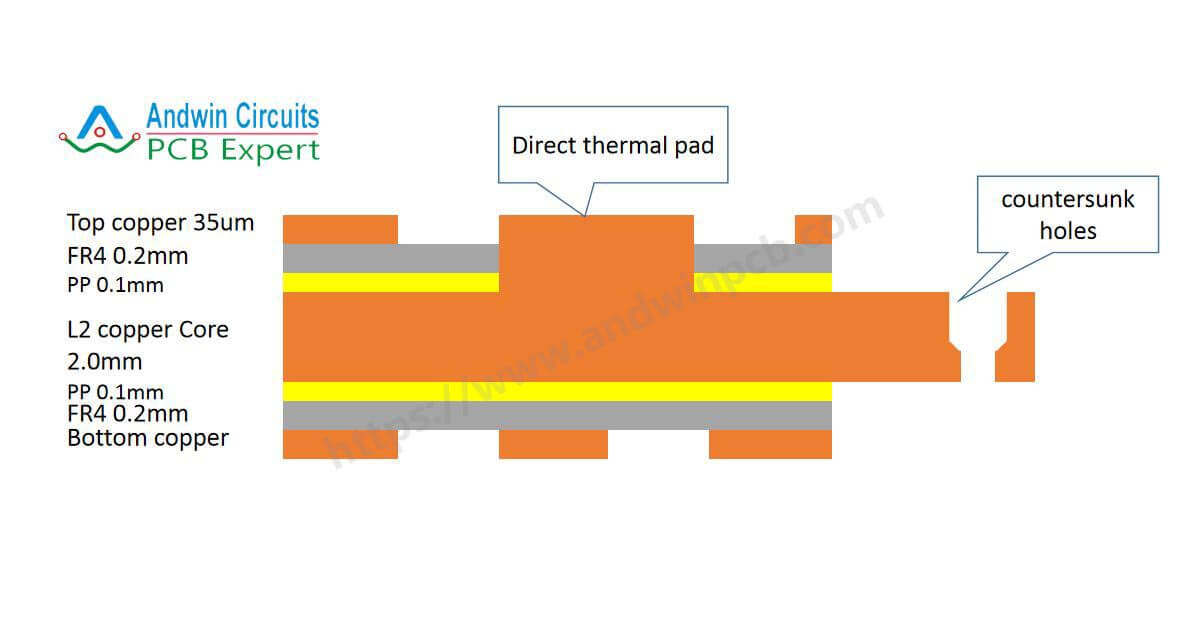
In terms of manufacturing, metal core PCBs are more complex to produce than standard FR4
PCBs. The metal core must be bonded to the PCB using a special adhesive, and the components
must be mounted using special techniques to ensure proper thermal performance.
In conclusion, metal core PCBs are an essential component in many high-power and high-
temperature applications. They provide superior thermal performance, reliability, and
durability, which makes them ideal for use in automotive, industrial, and LED lighting
applications. When designing a metal core PCB, it is important to take into consideration
the thermal properties of the components being used, as well as the size and shape of the
board and the type of metal core material being used.