
Flex pcb thermal conductivity
The thermal conductivity of a flexible printed circuit board (flex PCB) depends on the materials used in its construction.
The most common materials used in flex PCBs are polyimide and copper,
which have thermal conductivities of approximately 0.12 W/mK and 401 W/mK, respectively.
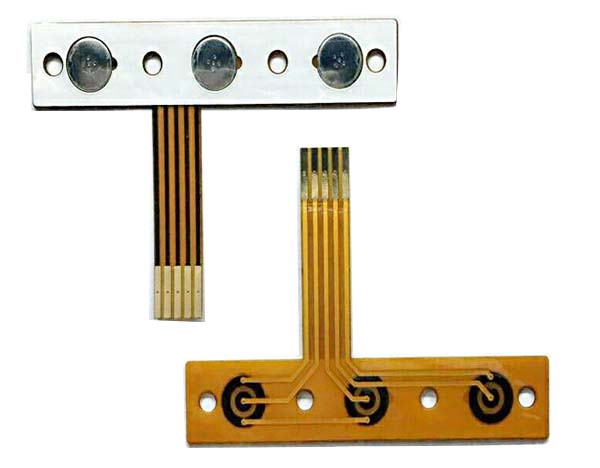
The thermal conductivity of a flex PCB can also be affected by the thickness and number of layers of the board.
Thicker and more layered boards will generally have lower thermal conductivity due to increased thermal resistance.
Overall, flex PCBs have lower thermal conductivity than rigid PCBs due to their thinner and more flexible construction.
However, they can still be designed to dissipate heat effectively by using materials with higher thermal conductivity or incorporating thermal vias to improve heat transfer.
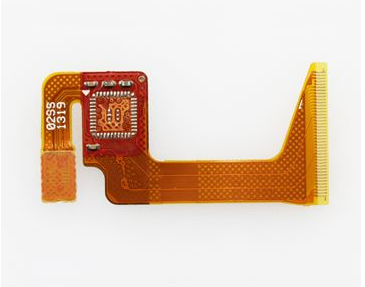
how to calculate flex pcb thermal conductivity
The thermal conductivity of a flex PCB can be calculated using the following formula:
k = (Q x L) / (A x delta T)
where:
k = thermal conductivity (W/mK)
Q = heat flow (W)
L = length of heat flow path (m)
A = cross-sectional area of heat flow path (m^2)
delta T = temperature difference between the two ends of the heat flow path (K)
To apply this formula to a flex PCB, you will need to determine the specific dimensions and materials used in the construction of the board.
This may require consulting the manufacturer’s specifications or measuring the board yourself.
Once you have the necessary information, you can calculat