
6 layer pcb cost
6 layer PCB cost analysis: materials, manufacturing and optimization strategies.
The cost analysis of 6-layer PCB involves multiple aspects, including materials, manufacturing and optimization strategies.
First, material cost is one of the main factors affecting the total cost of 6-layer PCB.
Generally, the materials required to manufacture 6 layer PCBs include copper foil, substrate materials (such as FR4), pads and other auxiliary materials. The thickness and quality of copper foil directly affect the performance and cost of the circuit board. Although high-quality copper foil is more expensive, it can provide better conductivity and durability. The choice of substrate material is also crucial. FR4 is a common choice, but in some high-frequency applications, more expensive materials such as ceramic substrates may be required.
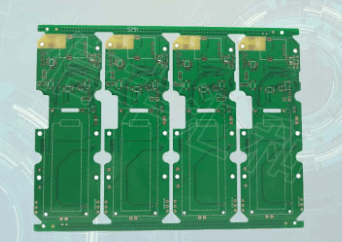
Next, manufacturing cost is also an important part of the 6 layer pcb cost
The manufacturing process includes multiple steps such as design, lamination, drilling, electroplating, etching and testing. Each step requires precise equipment and technical support. The lamination process requires multiple layers of materials to be precisely stacked together and cured by high temperature and high pressure. This process has high requirements for equipment and process, and the cost is relatively high. The drilling and plating processes require high-precision equipment to ensure the uniformity of the aperture and the plating layer, and the maintenance and operation costs of these equipment cannot be ignored. In addition, the etching and testing links require the use of chemical reagents and testing instruments, and the cost of these materials and equipment will also affect the final manufacturing cost.
In order to reduce 6 layer pcb cost optimization strategies are indispensable.
First, the waste of materials can be reduced by optimizing the design. For example, the circuit layout can be reasonably arranged to reduce the unnecessary use of copper foil, thereby reducing the material cost. Secondly, improving the manufacturing process is also an effective way to reduce costs. The use of advanced automation equipment and technology can improve production efficiency and reduce labor costs and production time. In addition, through batch production, the equipment and process costs can be effectively shared, thereby reducing the manufacturing cost of a single PCB board.
In addition, supply chain management is also an important part of optimizing costs.
Choosing reliable suppliers to ensure the quality of materials and the stability of supply can avoid rework and delays caused by material problems, thereby reducing overall costs. Establishing long-term cooperative relationships with suppliers can also obtain more favorable prices through bulk purchases.
In summary, the cost of 6-layer PCB boards is jointly determined by materials, manufacturing and optimization strategies. By rationally selecting materials, improving manufacturing processes and optimizing supply chain management, the total cost of 6-layer PCB boards can be effectively reduced, thereby improving the market competitiveness of products.