
Fast pcb assembly
Benefits Of Fast PCB Assembly For Startups
Fast PCB assembly offers numerous benefits for startups, providing a competitive edge in the rapidly evolving tech industry.
One of the primary advantages is the significant reduction in time-to-market.
Startups often operate under tight deadlines and limited resources, making it crucial to bring products to market swiftly. By leveraging fast PCB assembly services, startups can expedite the prototyping and production phases, allowing them to launch their products ahead of competitors. This accelerated timeline not only enhances market presence but also enables startups to quickly gather customer feedback and iterate on their designs.
Moreover, fast PCB assembly contributes to cost efficiency, which is vital for startups with constrained budgets.
Traditional PCB assembly processes can be time-consuming and expensive, often involving multiple iterations and extended lead times. In contrast, fast PCB assembly services streamline the production process, reducing labor costs and minimizing the need for extensive rework. This cost-effective approach allows startups to allocate their financial resources more strategically, investing in other critical areas such as research and development, marketing, and talent acquisition.
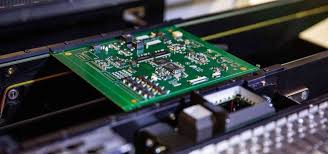
In addition to time and cost savings, fast PCB assembly enhances the overall quality and reliability of the final product.
Advanced assembly techniques and state-of-the-art equipment ensure precise component placement and soldering, reducing the likelihood of defects and failures. This high level of accuracy is particularly important for startups aiming to establish a reputation for delivering reliable and high-performance products. Furthermore, many fast PCB assembly providers offer comprehensive testing and quality assurance services, ensuring that each unit meets stringent industry standards before it reaches the market.
Another significant benefit of fast PCB assembly is the flexibility it offers in terms of design modifications and iterations.
Startups often need to make rapid adjustments to their designs based on evolving market demands or technological advancements. Fast PCB assembly services accommodate these changes efficiently, enabling startups to refine their products without incurring substantial delays. This agility is crucial for staying competitive in a dynamic market landscape, where the ability to adapt quickly can determine the success or failure of a startup.
Additionally, fast PCB assembly fosters innovation by allowing startups to experiment with new ideas and concepts more freely.
The reduced lead times and lower costs associated with fast PCB assembly mean that startups can afford to take risks and explore unconventional solutions. This experimental approach can lead to groundbreaking innovations and unique product offerings that set startups apart from established competitors. By facilitating rapid prototyping and iteration, fast PCB assembly empowers startups to push the boundaries of technology and creativity.
Furthermore, partnering with a reliable fast PCB assembly provider can offer startups access to valuable industry expertise and support.
Many assembly service providers have extensive experience working with a diverse range of clients and projects, enabling them to offer insights and recommendations that can enhance the startup’s product development process. This collaborative relationship can prove invaluable, particularly for startups that may lack in-house technical expertise or experience in PCB design and manufacturing.
In conclusion, fast PCB assembly presents a multitude of benefits for startups, including reduced time-to-market, cost efficiency, enhanced product quality, design flexibility, and increased innovation potential. By leveraging these advantages, startups can navigate the challenges of the tech industry more effectively, positioning themselves for long-term success and growth.
Key Technologies Driving Rapid PCB Assembly
The rapid evolution of technology has necessitated the development of faster and more efficient methods for printed circuit board (PCB) assembly. As electronic devices become increasingly complex and miniaturized, the demand for quick turnaround times in PCB manufacturing has surged. Several key technologies have emerged as pivotal in driving the rapid assembly of PCBs, ensuring that manufacturers can meet the stringent timelines and high-quality standards required by modern industries.
One of the foremost technologies contributing to fast PCB assembly is surface mount technology (SMT).
SMT has revolutionized the way components are mounted onto PCBs by allowing for the placement of components directly onto the surface of the board, rather than through-hole mounting. This method not only speeds up the assembly process but also enables the use of smaller and more densely packed components, which is essential for modern electronic devices. The automation of SMT processes through the use of high-speed pick-and-place machines further accelerates assembly, as these machines can place thousands of components per hour with remarkable precision.
In addition to SMT, advancements in soldering techniques have played a crucial role in expediting PCB assembly.
Reflow soldering, in particular, has become the standard method for soldering surface-mounted components. This process involves applying solder paste to the PCB, placing the components, and then heating the assembly in a reflow oven to melt the solder and create reliable electrical connections. The use of reflow soldering not only ensures consistent and high-quality solder joints but also significantly reduces the time required for soldering compared to traditional methods.
Another key technology driving rapid PCB assembly is automated optical inspection (AOI).
AOI systems use advanced imaging and machine learning algorithms to inspect PCBs for defects such as misaligned components, solder bridges, and insufficient solder. By automating the inspection process, AOI systems can quickly identify and flag defects, allowing for immediate corrective actions. This not only enhances the overall quality of the assembled PCBs but also reduces the time spent on manual inspection and rework.
Furthermore, the integration of computer-aided design (CAD) and computer-aided manufacturing (CAM) software has streamlined the entire PCB assembly process.
CAD software allows engineers to design complex PCB layouts with precision, while CAM software translates these designs into machine-readable instructions for automated assembly equipment. This seamless integration between design and manufacturing ensures that PCBs can be produced quickly and accurately, minimizing the risk of errors and delays.
The adoption of Industry 4.0 principles, including the Internet of Things (IoT) and data analytics, has also contributed to faster PCB assembly. IoT-enabled equipment can communicate and coordinate with each other in real-time, optimizing the assembly process and reducing downtime. Data analytics, on the other hand, provides valuable insights into production performance, enabling manufacturers to identify bottlenecks and implement continuous improvements. By leveraging these technologies, manufacturers can achieve higher levels of efficiency and productivity in PCB assembly.
In conclusion, the rapid assembly of PCBs is driven by a combination of advanced technologies that enhance speed, precision, and quality. Surface mount technology, reflow soldering, automated optical inspection, CAD/CAM integration, and Industry 4.0 principles all play integral roles in meeting the demands of modern electronic manufacturing. As these technologies continue to evolve, the PCB assembly process will become even more efficient, enabling manufacturers to keep pace with the ever-accelerating technological landscape.
How To Choose A Fast PCB Assembly Service Provider
When selecting a fast PCB assembly service provider, several critical factors must be considered to ensure that the chosen company meets your specific needs and expectations. The first aspect to evaluate is the provider’s turnaround time. In the fast-paced world of electronics, time is often of the essence. Therefore, it is crucial to choose a service provider that can deliver high-quality PCB assemblies within a short timeframe. This involves not only the actual assembly process but also the efficiency of their supply chain and their ability to source components quickly.
Another important consideration is the provider’s technological capabilities.
The complexity of modern PCBs requires advanced equipment and skilled technicians. It is essential to verify that the service provider has state-of-the-art machinery and a team of experienced professionals who can handle intricate designs and ensure precision in assembly. Additionally, the provider should be capable of handling various types of PCBs, including single-sided, double-sided, and multi-layer boards, to accommodate different project requirements.
Quality assurance is a non-negotiable factor when choosing a fast PCB assembly service provider.
The provider should have stringent quality control measures in place to ensure that each assembled PCB meets the highest standards. This includes thorough testing procedures such as Automated Optical Inspection (AOI), X-ray inspection, and functional testing. A reliable provider will also have certifications such as ISO 9001, which demonstrate their commitment to quality and continuous improvement.
Cost is another critical factor to consider.
While it is tempting to opt for the cheapest option, it is important to balance cost with quality and reliability. A low-cost provider may cut corners, leading to subpar assemblies that could result in costly rework or failures in the field. It is advisable to obtain detailed quotes from multiple providers and compare them, taking into account not only the price but also the services included, such as testing, component sourcing, and post-assembly support.
Communication and customer service are also vital aspects to consider.
A fast PCB assembly service provider should be responsive and transparent, keeping you informed throughout the entire process. This includes providing regular updates on the status of your order, promptly addressing any issues that arise, and being available to answer questions or provide technical support. Good communication ensures that any potential problems are identified and resolved quickly, minimizing delays and ensuring a smooth assembly process.
Furthermore, it is beneficial to choose a provider with a proven track record and positive customer reviews.
Testimonials and case studies can provide valuable insights into the provider’s reliability, quality of work, and ability to meet deadlines. Additionally, a provider with experience in your specific industry or application can offer valuable expertise and recommendations to optimize your PCB design and assembly process.
Lastly, consider the provider’s flexibility and scalability.
Your needs may change over time, and it is important to choose a provider that can adapt to your evolving requirements. This includes the ability to handle both small and large production runs, as well as the capacity to scale up quickly if demand increases. A flexible provider can accommodate changes in design, volume, and delivery schedules, ensuring that your projects stay on track.
In conclusion, choosing a fast PCB assembly service provider involves careful consideration of several factors, including turnaround time, technological capabilities, quality assurance, cost, communication, customer service, track record, and flexibility. By thoroughly evaluating these aspects, you can select a provider that not only meets your immediate needs but also supports your long-term success in the competitive electronics market.
Common Challenges In Fast PCB Assembly And How To Overcome Them
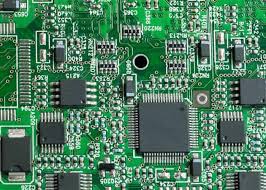
Fast PCB assembly is a critical process in the electronics manufacturing industry, where speed and precision are paramount. However, achieving rapid assembly without compromising quality presents several challenges. Understanding these challenges and implementing effective strategies to overcome them is essential for manufacturers aiming to meet tight deadlines while maintaining high standards.
One of the primary challenges in fast PCB assembly is ensuring the accuracy of component placement.
With the increasing miniaturization of electronic components, the margin for error has significantly decreased. Misalignment or incorrect placement can lead to functional failures or reduced performance of the final product. To address this issue, manufacturers can invest in advanced pick-and-place machines equipped with high-resolution cameras and sophisticated algorithms. These machines can precisely position components, even at high speeds, thereby reducing the likelihood of errors.
Another significant challenge is managing the thermal profiles during the soldering process.
Rapid assembly often necessitates quick heating and cooling cycles, which can stress the components and the PCB itself. Inadequate thermal management can result in issues such as solder joint failures, warping, or delamination of the PCB. To mitigate these risks, manufacturers should employ reflow ovens with precise temperature control and uniform heat distribution. Additionally, using thermal profiling tools to monitor and adjust the heating process in real-time can ensure that the components and PCB are not subjected to excessive thermal stress.
Component availability and supply chain management also pose substantial challenges in fast PCB assembly.
The need for speed often means that any delay in component delivery can disrupt the entire production schedule. To overcome this, manufacturers should establish strong relationships with reliable suppliers and maintain a well-organized inventory system. Implementing just-in-time (JIT) inventory practices can help ensure that components are available exactly when needed, reducing the risk of delays. Furthermore, having a contingency plan, such as alternative suppliers or substitute components, can provide additional flexibility in case of unforeseen supply chain disruptions.
Quality control is another critical aspect that can be challenging to maintain in fast PCB assembly.
The pressure to meet tight deadlines can sometimes lead to shortcuts or reduced inspection times, increasing the risk of defects. To ensure consistent quality, manufacturers should integrate automated optical inspection (AOI) and automated X-ray inspection (AXI) systems into their assembly lines. These systems can quickly and accurately detect defects such as solder bridges, missing components, or misalignments, allowing for immediate corrective actions. Additionally, implementing a robust quality management system (QMS) that includes regular audits and continuous improvement practices can help maintain high standards even under time constraints.
Finally, communication and coordination among different teams involved in the PCB assembly process are crucial for overcoming challenges.
Miscommunication or lack of coordination can lead to errors, rework, and delays. To enhance collaboration, manufacturers should adopt integrated project management tools that facilitate real-time information sharing and tracking of progress. Regular meetings and clear documentation of processes and responsibilities can also help ensure that everyone is aligned and working towards the same goals.
In conclusion, while fast PCB assembly presents several challenges, they can be effectively managed through the use of advanced technologies, precise thermal management, efficient supply chain practices, stringent quality control measures, and enhanced communication. By addressing these challenges proactively, manufacturers can achieve rapid assembly without compromising on quality, thereby meeting the demands of the fast-paced electronics market.