
Flex pcb fix
Essential Tips for Flex PCB fix
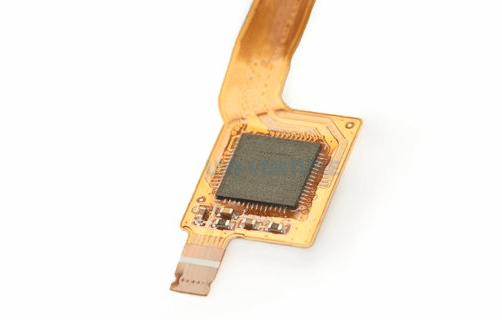
Flex PCBs, or flexible printed circuit boards, are integral components in modern electronic devices due to their versatility and ability to conform to various shapes and spaces.
However, like any electronic component, they are susceptible to damage and require meticulous repair techniques to restore functionality. Understanding the essential tips for flex PCB repair is crucial for maintaining the integrity and performance of these sophisticated circuits.
Firstly, it is imperative to conduct a thorough inspection of the damaged flex PCB.
This initial step involves using magnification tools such as a microscope or a magnifying glass to identify visible defects like cracks, broken traces, or delaminated layers. Additionally, employing diagnostic tools such as multimeters and continuity testers can help pinpoint electrical faults that are not immediately apparent to the naked eye. By accurately diagnosing the problem, one can determine the appropriate repair method and avoid unnecessary interventions that could further damage the PCB.
Once the issue has been identified, the next step is to prepare the workspace and gather the necessary tools.
A clean, static-free environment is essential to prevent contamination and electrostatic discharge (ESD) damage. Tools such as precision tweezers, soldering irons with fine tips, solder wick, and flux are indispensable for delicate repairs. It is also advisable to have a hot air rework station on hand, as it can be particularly useful for reflowing solder on small components without applying excessive heat.
When addressing broken or damaged traces, one effective method is to use a conductive pen or silver epoxy to restore the electrical pathway.
Conductive pens allow for precise application of conductive ink, which can bridge gaps in the traces. Silver epoxy, on the other hand, provides a more robust and permanent solution but requires careful handling and curing time. In both cases, it is crucial to ensure that the repaired area is clean and free of oxidation to achieve optimal conductivity.
For more severe damage, such as delaminated layers or extensive trace breaks, it may be necessary to use jumper wires.
This technique involves soldering fine-gauge wires to bypass the damaged sections of the PCB. While this method can be effective, it requires a steady hand and precision to avoid creating shorts or further damaging the board. Additionally, it is important to secure the jumper wires with adhesive or conformal coating to prevent them from moving and causing intermittent connections.
In cases where components need to be replaced, desoldering the damaged parts without harming the surrounding areas is crucial.
Using a soldering iron with a fine tip and solder wick can help remove old solder cleanly. Alternatively, a hot air rework station can be used to heat the solder joints evenly, allowing for the safe removal of components. Once the damaged components are removed, new ones can be soldered in place, ensuring that the solder joints are clean and free of excess solder.
Finally, after completing the repair, it is essential to test the flex PCB thoroughly to ensure that it functions correctly. This involves checking for continuity, verifying that all connections are secure, and testing the board in its intended application. By following these essential tips for flex PCB repair, one can effectively restore damaged circuits and extend the lifespan of electronic devices.
Common Issues and Solutions in Flex PCB Fix
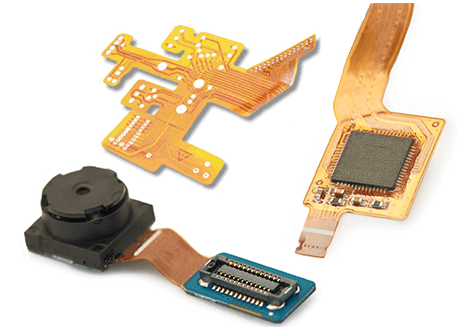
Flex PCBs, or flexible printed circuit boards, are increasingly popular in modern electronics due to their versatility, lightweight nature, and ability to conform to various shapes. However, like any technology, they are not without their challenges. Understanding common issues and their solutions is crucial for ensuring the reliability and longevity of these components.
One prevalent issue with flex PCBs is delamination, where layers of the board separate due to inadequate adhesion.
This problem often arises from improper handling during the manufacturing process or exposure to extreme environmental conditions. To mitigate delamination, it is essential to use high-quality materials and ensure proper lamination techniques. Additionally, maintaining a controlled environment during both the manufacturing and operational phases can significantly reduce the risk of delamination.
Another frequent problem is the occurrence of micro-cracks in the copper traces.
These micro-cracks can lead to intermittent connections or complete circuit failures. The primary cause of micro-cracks is mechanical stress, which can occur during bending or flexing of the PCB. To address this issue, designers should incorporate stress-relief features such as curved traces and avoid sharp bends. Furthermore, selecting materials with higher flexibility and tensile strength can help in minimizing the formation of micro-cracks.
Solder joint reliability is also a critical concern in flex PCBs.
Due to the flexible nature of these boards, solder joints are subjected to repeated mechanical stress, which can lead to fatigue and eventual failure. To enhance solder joint reliability, it is advisable to use soldering techniques that provide robust mechanical support, such as through-hole soldering or the use of solder paste with higher tensile strength. Additionally, implementing strain relief features, such as using adhesive or mechanical fasteners, can help distribute stress away from the solder joints.
Electromagnetic interference (EMI) is another challenge that can affect the performance of flex PCBs.
EMI can cause signal degradation and affect the overall functionality of the electronic device. To combat EMI, designers should employ proper shielding techniques, such as using ground planes and incorporating EMI shielding materials. Additionally, careful routing of signal traces and maintaining adequate spacing between them can help minimize the impact of EMI.
Thermal management is a crucial aspect of flex PCB design, as excessive heat can lead to component failure and reduced lifespan.
Flex PCBs are often used in compact devices where heat dissipation is a challenge. To address thermal management issues, designers can use materials with high thermal conductivity and incorporate thermal vias to facilitate heat transfer. Additionally, employing heat sinks and ensuring proper ventilation can help in maintaining optimal operating temperatures.
Moisture ingress is another issue that can compromise the integrity of flex PCBs.
Exposure to moisture can lead to corrosion of conductive traces and degradation of insulating materials. To prevent moisture-related problems, it is essential to use moisture-resistant materials and apply conformal coatings to protect the PCB. Additionally, ensuring proper sealing of the device housing can help in preventing moisture ingress.
In conclusion, while flex PCBs offer numerous advantages, they also present unique challenges that require careful consideration during the design and manufacturing processes. By understanding common issues such as delamination, micro-cracks, solder joint reliability, EMI, thermal management, and moisture ingress, and implementing appropriate solutions, designers can enhance the performance and reliability of flex PCBs. This proactive approach not only ensures the longevity of the electronic devices but also contributes to the overall success of the technology.
Step-by-Step Guide to Flex PCB Troubleshooting
Flex PCBs, or flexible printed circuit boards, are integral components in modern electronic devices due to their versatility and ability to conform to various shapes. However, like any other electronic component, they are susceptible to issues that can impede their functionality. Troubleshooting these issues requires a systematic approach to identify and rectify the problem efficiently. This guide provides a step-by-step method to troubleshoot flex PCBs, ensuring that you can address common issues effectively.
To begin with, it is essential to conduct a visual inspection of the flex PCB.
This initial step involves examining the board for any visible signs of damage, such as cracks, burns, or broken traces. Using a magnifying glass or a microscope can aid in identifying minute defects that might not be apparent to the naked eye. If any physical damage is detected, it is crucial to assess whether it can be repaired or if the board needs to be replaced entirely.
Following the visual inspection, the next step is to check for continuity.
This process involves using a multimeter to ensure that electrical connections are intact and that there are no open circuits. By placing the multimeter probes on different points of the circuit, you can verify that current flows uninterrupted through the traces. If an open circuit is detected, it may be necessary to use a soldering iron to re-establish the connection or replace the damaged trace with a jumper wire.
In addition to checking for continuity, it is also important to test for short circuits.
Short circuits occur when unintended connections form between different parts of the circuit, leading to potential malfunctions or damage. Using the multimeter in resistance mode, you can measure the resistance between various points on the board. A reading of zero or near-zero resistance indicates a short circuit, which must be addressed by identifying and removing the unintended connection.
Once continuity and short circuit tests are completed, the next step is to verify the functionality of individual components on the flex PCB.
This involves testing components such as resistors, capacitors, and integrated circuits to ensure they are operating within their specified parameters. Component testing can be performed using specialized equipment like an LCR meter or an oscilloscope, depending on the type of component being tested. If any component is found to be faulty, it should be replaced with a new one to restore the board’s functionality.
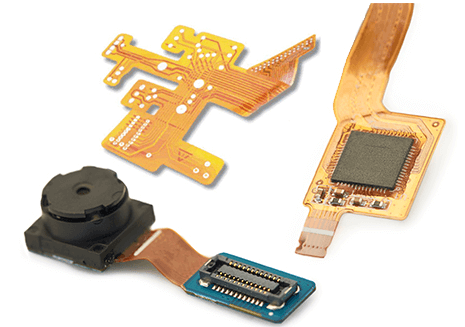
Furthermore, it is essential to consider the environmental factors that might affect the performance of the flex PCB.
Factors such as temperature, humidity, and exposure to chemicals can degrade the board’s materials and components over time. Ensuring that the flex PCB operates within its specified environmental conditions can prevent many issues from arising. If environmental factors are suspected to be the cause of the problem, implementing protective measures such as conformal coatings or environmental enclosures can help mitigate these effects.
Finally, after addressing all identified issues, it is crucial to perform a comprehensive functional test of the flex PCB.
This involves powering up the board and verifying that it operates as intended within the larger system. Functional testing can include running diagnostic software, measuring output signals, and ensuring that all features of the device are working correctly. If the board passes all functional tests, it can be re-integrated into the device with confidence that the troubleshooting process has been successful.
In conclusion, troubleshooting flex PCBs requires a methodical approach that includes visual inspection, continuity and short circuit testing, component verification, consideration of environmental factors, and comprehensive functional testing. By following these steps, you can effectively identify and resolve issues, ensuring the reliable performance of your flex PCB in its application.
Tools and Techniques for Effective Flex PCB Repair
Flex PCBs, or flexible printed circuit boards, are integral components in modern electronic devices due to their versatility and ability to conform to various shapes and spaces. However, their delicate nature makes them susceptible to damage, necessitating effective repair techniques. To ensure successful flex PCB repair, it is essential to employ the right tools and techniques, which can significantly enhance the longevity and functionality of these critical components.
One of the primary tools required for flex PCB repair is a high-quality soldering iron with adjustable temperature control.
The precision offered by such a soldering iron is crucial, as flex PCBs are often composed of fine traces and small components that can be easily damaged by excessive heat. Additionally, using a soldering iron with a fine tip allows for more accurate work, reducing the risk of inadvertently bridging connections or damaging adjacent components. Alongside the soldering iron, a good quality solder wire, preferably with a flux core, is indispensable. The flux helps to clean the surfaces being soldered, ensuring a strong and reliable connection.
Another essential tool is a microscope or a magnifying glass, which aids in the inspection of the flex PCB before and after the repair process.
Given the miniature scale of the components and traces on a flex PCB, visual inspection is critical to identify any potential issues such as broken traces, cold solder joints, or lifted pads. A microscope with adequate magnification can reveal these defects, allowing for precise and targeted repairs.
In addition to these tools, a hot air rework station is invaluable for repairing flex PCBs, especially when dealing with surface-mounted components.
The hot air rework station allows for the controlled application of heat, which is necessary for removing and reflowing components without causing thermal damage to the board. This tool is particularly useful for replacing damaged components or reflowing solder joints that may have become compromised.
When it comes to techniques, one of the most effective methods for repairing broken traces on a flex PCB is the use of conductive ink or epoxy.
Conductive ink can be applied to the damaged area to restore electrical continuity, while conductive epoxy can be used to bond broken traces together. Both methods require careful application and curing, but they offer a reliable solution for trace repair without the need for extensive rework.
Another technique involves the use of jumper wires to bypass damaged traces.
This method is particularly useful when the damage is extensive or when the broken trace is in a location that is difficult to access. By soldering a thin wire between the two points that need to be connected, the electrical path can be restored, ensuring the functionality of the flex PCB.
Furthermore, it is important to handle flex PCBs with care throughout the repair process.
Flex PCBs are more prone to mechanical stress and damage compared to rigid PCBs, so gentle handling and the use of appropriate tools, such as ESD-safe tweezers and spudgers, are essential to prevent further damage.
In conclusion, effective flex PCB repair requires a combination of the right tools and techniques. A high-quality soldering iron, microscope, hot air rework station, and conductive materials are fundamental tools that facilitate precise and reliable repairs. Techniques such as using conductive ink, epoxy, and jumper wires are essential for addressing common issues like broken traces and damaged components. By employing these tools and techniques, one can ensure the successful repair and continued functionality of flex PCBs, thereby extending the lifespan of the electronic devices they support.