
Flex pcb thermal conductivity
Understanding The Thermal Conductivity Of Flex PCBs
Flex PCBs, or flexible printed circuit boards, have become increasingly popular in various industries due to their versatility, lightweight nature, and ability to conform to complex shapes.
One critical aspect of their performance is thermal conductivity, which plays a significant role in the reliability and efficiency of electronic devices.
Understanding the thermal conductivity of flex PCBs is essential for engineers and designers who aim to optimize thermal management in their applications.
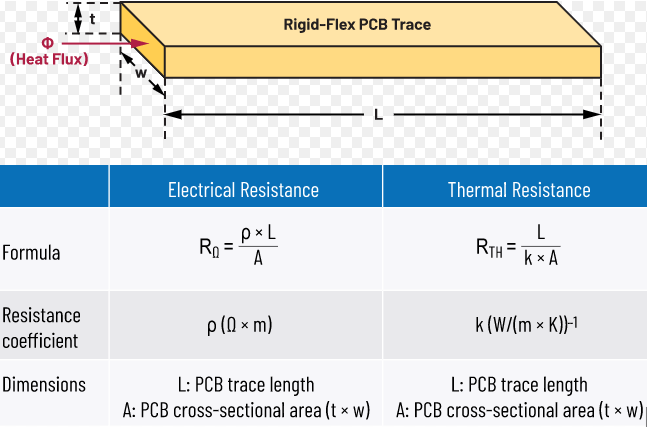
Thermal conductivity refers to the ability of a material to conduct heat.
In the context of flex PCBs, it is crucial because electronic components generate heat during operation, and efficient heat dissipation is necessary to prevent overheating and ensure the longevity of the device. Flex PCBs are typically made from materials such as polyimide or polyester, which have different thermal properties compared to traditional rigid PCBs made from FR4. Polyimide, for instance, is known for its excellent thermal stability and can withstand higher temperatures, making it a preferred choice for high-performance applications.
To enhance the thermal conductivity of flex PCBs, manufacturers often incorporate additional materials such as copper or aluminum.
These metals have high thermal conductivity and can significantly improve the heat dissipation capabilities of the PCB. Copper, in particular, is widely used due to its excellent thermal and electrical conductivity. By integrating copper layers or traces into the flex PCB design, heat generated by electronic components can be efficiently conducted away from critical areas, reducing the risk of thermal damage.
Moreover, the thickness and layout of the copper layers play a vital role in determining the overall thermal performance of the flex PCB.
Thicker copper layers can conduct more heat, but they also add to the weight and cost of the PCB. Therefore, designers must strike a balance between thermal performance and other design considerations. Additionally, the layout of the copper traces should be optimized to ensure even heat distribution and avoid hotspots, which can lead to localized overheating and potential failure of the electronic components.
Another factor influencing the thermal conductivity of flex PCBs is the adhesive used to bond the layers together.
The adhesive must have good thermal properties to facilitate efficient heat transfer between the layers. Poor thermal conductivity of the adhesive can create thermal bottlenecks, impeding the overall heat dissipation process. Therefore, selecting an adhesive with high thermal conductivity is crucial for maintaining the thermal performance of the flex PCB.
Furthermore, the operating environment of the flex PCB can impact its thermal conductivity.
For instance, in high-temperature environments, the thermal conductivity of the materials used in the flex PCB may change, affecting its ability to dissipate heat. Therefore, it is essential to consider the operating conditions and select materials that can maintain their thermal properties under the expected temperature range.
In conclusion, understanding the thermal conductivity of flex PCBs is vital for optimizing thermal management in electronic devices. The choice of materials, including the base substrate, copper layers, and adhesive, significantly influences the thermal performance of the PCB. By carefully selecting and designing these elements, engineers can enhance the heat dissipation capabilities of flex PCBs, ensuring the reliability and efficiency of electronic devices. As technology continues to advance, the demand for high-performance flex PCBs will grow, making thermal conductivity an increasingly important consideration in their design and application.
Enhancing Heat Dissipation In Flexible Printed Circuit Boards
Flexible printed circuit boards (FPCBs) have become increasingly prevalent in modern electronic devices due to their lightweight, compact, and versatile nature. However, one of the critical challenges faced by FPCBs is effective heat dissipation.
As electronic components become more powerful and densely packed, managing thermal conductivity becomes paramount to ensure reliability and longevity. Enhancing heat dissipation in flexible printed circuit boards involves a multifaceted approach, incorporating material selection, design optimization, and advanced manufacturing techniques.
To begin with, the choice of materials plays a crucial role in determining the thermal conductivity of FPCBs.
Traditional rigid PCBs often utilize materials like FR4, which have relatively low thermal conductivity. In contrast, FPCBs can benefit from materials such as polyimide and liquid crystal polymer (LCP), which offer better thermal performance. Polyimide, for instance, is known for its excellent thermal stability and can withstand high temperatures without significant degradation.
Additionally, incorporating thermally conductive fillers into the substrate material can further enhance heat dissipation. These fillers, often composed of ceramic or metallic particles, create a more efficient thermal pathway, allowing heat to spread more evenly across the board.
Moreover, the design of the FPCB itself significantly impacts its thermal management capabilities.
One effective strategy is to increase the copper thickness in the conductive traces. Copper, with its high thermal conductivity, can act as a heat spreader, distributing thermal energy more effectively.
However, this approach must be balanced with the need to maintain the board’s flexibility. Another design consideration is the use of thermal vias, which are small holes filled with conductive material that connect different layers of the PCB. These vias provide a direct path for heat to travel from the surface-mounted components to the heat sinks or other cooling mechanisms.
In addition to material selection and design optimization, advanced manufacturing techniques can also contribute to improved thermal conductivity in FPCBs.
For instance, the use of laser drilling technology allows for the creation of microvias, which are smaller and more precise than traditional mechanical vias. Microvias can be strategically placed to enhance heat dissipation without compromising the board’s structural integrity. Furthermore, the application of thermal interface materials (TIMs) during the assembly process can improve the thermal connection between the FPCB and the heat sink. TIMs, such as thermal grease or phase-change materials, fill the microscopic air gaps that naturally occur between surfaces, thereby reducing thermal resistance.
Another promising approach involves the integration of heat spreaders or heat pipes directly into the FPCB
.Heat spreaders, typically made of materials like aluminum or graphite, can be laminated onto the board to provide an additional layer of thermal management.
Heat pipes, on the other hand, utilize the principles of phase change and capillary action to transfer heat efficiently from hot spots to cooler areas. These solutions, while more complex and potentially costly, offer significant improvements in thermal performance.
In conclusion, enhancing heat dissipation in flexible printed circuit boards is a critical aspect of modern electronics design. By carefully selecting materials with high thermal conductivity, optimizing the board’s design, and employing advanced manufacturing techniques, engineers can effectively manage the thermal challenges associated with FPCBs. As electronic devices continue to evolve, the importance of efficient thermal management will only grow, making these strategies essential for the development of reliable and high-performance flexible printed circuit boards.
Materials And Techniques For Improving Flex PCB Thermal Performance
Flex PCBs, or flexible printed circuit boards, are increasingly utilized in various electronic applications due to their versatility, lightweight nature, and ability to conform to complex geometries.
However, one of the critical challenges in their design and application is managing thermal performance.
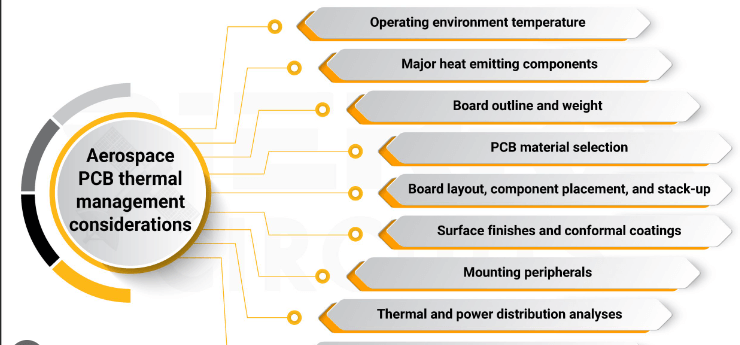
Effective thermal management is essential to ensure the reliability and longevity of electronic devices. Consequently, understanding the materials and techniques for improving the thermal conductivity of flex PCBs is paramount.
To begin with, the choice of substrate material plays a significant role in the thermal performance of flex PCBs.
Polyimide is a commonly used substrate due to its excellent thermal stability and mechanical properties. However, its intrinsic thermal conductivity is relatively low, which can be a limiting factor in high-power applications. To address this, manufacturers often incorporate thermally conductive fillers into the polyimide matrix. These fillers, such as ceramic particles or metal oxides, enhance the overall thermal conductivity of the substrate without significantly compromising its flexibility.
In addition to substrate materials, the selection of conductive traces is crucial.
Copper is the standard material for conductive traces due to its high electrical conductivity. However, copper also exhibits good thermal conductivity, which aids in dissipating heat generated by electronic components. To further improve thermal performance, designers can increase the thickness of copper traces or use wider traces, thereby reducing thermal resistance. Additionally, employing techniques such as via stitching, where multiple vias are used to connect different layers of the PCB, can enhance heat dissipation by providing additional thermal paths.
Another technique to improve thermal performance involves the use of thermal vias.
These are plated through-holes that connect the top and bottom layers of the PCB, allowing heat to transfer more efficiently from the heat-generating components to the heat-dissipating areas. By strategically placing thermal vias around high-power components, designers can significantly reduce localized hotspots and improve the overall thermal management of the flex PCB.
Moreover, the integration of thermal interface materials (TIMs) can further enhance the thermal conductivity of flex PCBs.
TIMs, such as thermal pads or thermal greases, are used to fill the gaps between heat-generating components and heat sinks or other cooling solutions. These materials possess high thermal conductivity and conformability, ensuring efficient heat transfer and reducing thermal resistance. By selecting appropriate TIMs and optimizing their placement, designers can achieve better thermal performance and prevent overheating issues.
Furthermore, advanced manufacturing techniques, such as laser drilling and precision etching, enable the creation of microvias and fine-pitch traces, which can improve thermal management.
These techniques allow for more efficient use of space and better thermal distribution, particularly in densely packed designs. Additionally, the use of flexible heat spreaders, such as graphite sheets or metal foils, can further enhance heat dissipation by providing a larger surface area for heat transfer.
In conclusion, improving the thermal performance of flex PCBs requires a multifaceted approach that involves careful selection of materials, innovative design techniques, and advanced manufacturing processes. By incorporating thermally conductive fillers, optimizing conductive traces, utilizing thermal vias, integrating thermal interface materials, and employing advanced manufacturing techniques, designers can effectively manage heat dissipation and ensure the reliability and longevity of electronic devices. As the demand for high-performance, compact electronic devices continues to grow, the importance of effective thermal management in flex PCBs will only become more critical.
The Role Of Thermal Management In Flex PCB Design
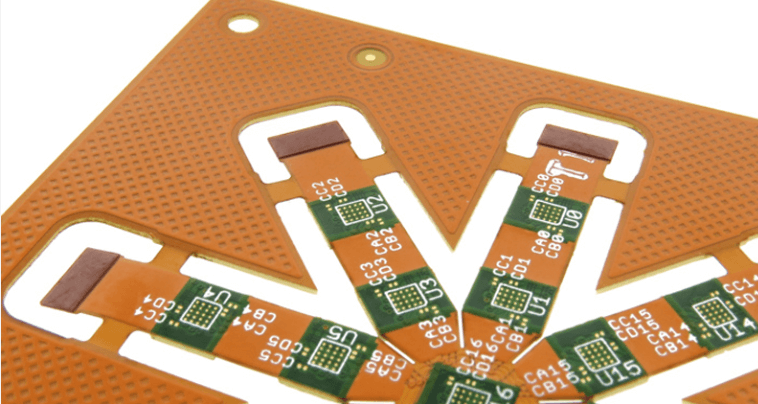
In the realm of modern electronics, flexible printed circuit boards (flex PCBs) have emerged as a pivotal technology, offering unparalleled versatility and adaptability. However, as electronic devices become increasingly compact and powerful, the challenge of thermal management in flex PCB design has become more pronounced. Effective thermal management is crucial to ensure the reliability, performance, and longevity of these sophisticated circuits.
Thermal conductivity is a fundamental property that plays a significant role in the thermal management of flex PCBs.
It refers to the ability of a material to conduct heat. In the context of flex PCBs, materials with high thermal conductivity are essential to dissipate heat generated by electronic components efficiently. This is particularly important in applications where high power densities are involved, such as in advanced computing, telecommunications, and automotive electronics.
One of the primary materials used in flex PCBs is polyimide, known for its excellent thermal stability and mechanical properties.
However, polyimide itself has relatively low thermal conductivity. To address this limitation, designers often incorporate additional materials with higher thermal conductivity, such as copper, into the flex PCB structure. Copper, with its superior thermal and electrical conductivity, is commonly used in the form of conductive traces and planes. By strategically placing copper layers within the flex PCB, heat can be effectively spread and dissipated, thereby preventing localized hotspots that could potentially damage sensitive components.
Moreover, the design of the flex PCB layout significantly influences thermal management.
For instance, the placement of heat-generating components should be carefully considered to minimize thermal interference and ensure even heat distribution. Components that generate substantial heat should be positioned away from temperature-sensitive areas and provided with adequate thermal pathways to dissipate heat. Additionally, the use of thermal vias—small holes filled with conductive material—can enhance heat transfer between different layers of the flex PCB, further improving thermal management.
Another critical aspect of thermal management in flex PCB design is the selection of appropriate adhesives and encapsulants.
These materials not only provide mechanical support and protection but also contribute to the overall thermal performance of the flex PCB. Adhesives with high thermal conductivity can facilitate heat transfer from the components to the surrounding environment, thereby reducing the risk of overheating. Similarly, encapsulants with good thermal properties can help in dissipating heat and protecting the flex PCB from thermal stress.
Furthermore, advanced simulation and modeling tools have become indispensable in optimizing thermal management in flex PCB design.
These tools allow designers to predict and analyze the thermal behavior of the flex PCB under various operating conditions. By simulating different scenarios, designers can identify potential thermal issues and make informed decisions on material selection, component placement, and layout design. This proactive approach not only enhances the thermal performance of the flex PCB but also reduces the likelihood of costly redesigns and failures.
In conclusion, effective thermal management is a critical consideration in the design of flex PCBs. The thermal conductivity of materials, strategic layout design, appropriate use of adhesives and encapsulants, and advanced simulation tools all play integral roles in ensuring that heat is efficiently dissipated. As electronic devices continue to evolve, the importance of robust thermal management in flex PCB design will only grow, underscoring the need for innovative solutions and meticulous design practices.