
Prototype pcb holes
Importance Of Proper Hole Sizing In Prototype PCB Design
In the realm of prototype printed circuit board (PCB) design, the importance of proper hole sizing cannot be overstated. The meticulous attention to detail in this aspect of PCB design is crucial for ensuring the functionality, reliability, and manufacturability of the final product. Proper hole sizing encompasses several factors, including the diameter of the holes, the tolerance levels, and the plating requirements. Each of these elements plays a significant role in the overall performance of the PCB.
To begin with, the diameter of the holes in a PCB must be carefully calculated to accommodate the components that will be mounted on the board.
These holes, often referred to as vias or through-holes, serve as the conduits for electrical connections between different layers of the PCB. If the holes are too small, components may not fit properly, leading to poor electrical connections or even physical damage to the components during assembly. Conversely, if the holes are too large, the components may not be securely anchored, resulting in potential mechanical failure or intermittent electrical connections. Therefore, achieving the correct hole diameter is essential for both the electrical and mechanical integrity of the PCB.
Moreover, the tolerance levels for hole sizing are equally important.
Tolerance refers to the permissible variation in the hole diameter from the specified value. In the context of PCB manufacturing, tight tolerances are often required to ensure that the holes are consistently within the acceptable range. This consistency is vital for automated assembly processes, where precision is paramount. Loose tolerances can lead to variability in hole sizes, which can cause issues during component placement and soldering. Consequently, maintaining stringent tolerance levels is a key aspect of high-quality PCB design and manufacturing.
In addition to diameter and tolerance, the plating of the holes is another critical consideration.
Plated through-holes (PTH) are commonly used in PCBs to provide reliable electrical connections between layers. The plating process involves depositing a thin layer of conductive material, typically copper, onto the walls of the holes. This conductive layer ensures that electrical signals can pass through the holes with minimal resistance. However, the plating thickness must be carefully controlled to avoid issues such as insufficient conductivity or excessive material buildup, which can affect the hole diameter and, subsequently, the fit of the components. Proper plating is thus essential for maintaining the electrical performance and structural integrity of the PCB.
Furthermore, the choice of materials and the manufacturing process can also impact hole sizing.
Different materials have varying properties, such as thermal expansion and mechanical strength, which can influence the final dimensions of the holes. Additionally, the drilling process used to create the holes must be precise and consistent to achieve the desired results. Advanced drilling techniques, such as laser drilling or mechanical drilling with high-precision equipment, are often employed to ensure accuracy. The selection of appropriate materials and manufacturing methods is therefore integral to achieving proper hole sizing in prototype PCB design.
In conclusion, the importance of proper hole sizing in prototype PCB design cannot be underestimated. The diameter, tolerance, and plating of the holes are all critical factors that influence the functionality, reliability, and manufacturability of the PCB. By paying careful attention to these aspects, designers can ensure that their prototypes meet the necessary standards and perform as intended. As the complexity and demands of electronic devices continue to grow, the need for precise and reliable PCB design becomes ever more paramount, underscoring the significance of proper hole sizing in the development of cutting-edge technology.
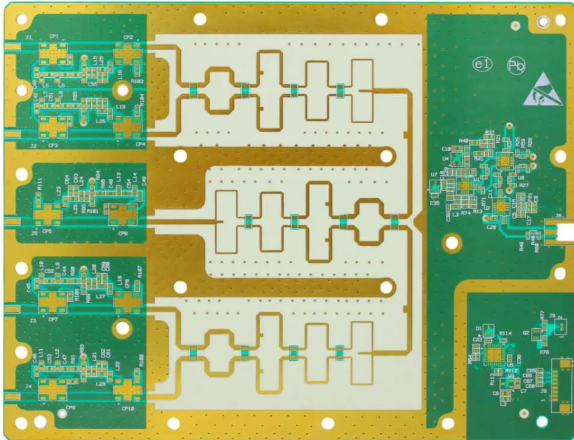
Techniques For Drilling Accurate Holes In Prototype PCBs
Drilling accurate holes in prototype printed circuit boards (PCBs) is a critical step in the development of electronic devices. The precision of these holes can significantly impact the functionality and reliability of the final product. Therefore, employing effective techniques for drilling is essential for any engineer or hobbyist working on PCB prototypes. To achieve the desired accuracy, it is important to consider several factors, including the choice of tools, the preparation of the PCB, and the drilling process itself.
Firstly, selecting the appropriate tools is paramount.
High-quality drill bits specifically designed for PCB drilling are essential. These bits are typically made from tungsten carbide, which offers the necessary hardness and durability to drill through the fiberglass and copper layers of the PCB without excessive wear. Additionally, using a drill press or a CNC machine can greatly enhance precision compared to manual drilling. These machines provide stability and control, reducing the likelihood of misalignment and ensuring consistent hole sizes.
Before commencing the drilling process, proper preparation of the PCB is crucial.
This involves securing the PCB firmly to prevent any movement during drilling, which could lead to inaccuracies. Using a sacrificial layer, such as a piece of scrap PCB material or a wooden board, underneath the PCB can help prevent damage to the work surface and reduce burr formation on the underside of the holes. Furthermore, marking the drilling points accurately is essential. This can be achieved by using a center punch or a small pilot hole to guide the drill bit and prevent it from wandering.
During the drilling process, maintaining a steady hand and consistent pressure is vital.
Applying too much force can cause the drill bit to break or the PCB to crack, while insufficient pressure may result in incomplete holes. It is advisable to start with a smaller drill bit to create pilot holes, which can then be enlarged with the final-sized bit. This step-by-step approach minimizes the risk of errors and ensures cleaner, more precise holes. Additionally, using a lubricant, such as a light oil or specialized drilling lubricant, can reduce friction and heat buildup, prolonging the life of the drill bit and improving the quality of the holes.
Another important consideration is the speed at which the drilling is performed.
High-speed drilling can generate excessive heat, potentially damaging the PCB and causing the drill bit to wear out more quickly. Conversely, drilling at too low a speed may result in rough, uneven holes. Therefore, finding the optimal drilling speed is essential. This can vary depending on the material and thickness of the PCB, as well as the size of the drill bit. Consulting the manufacturer’s recommendations for the drill bits and experimenting with different speeds can help determine the best settings for a given project.
In conclusion, drilling accurate holes in prototype PCBs requires careful attention to detail and the use of appropriate techniques. By selecting high-quality tools, properly preparing the PCB, and maintaining a steady and controlled drilling process, one can achieve precise and reliable results. These practices not only enhance the functionality and reliability of the final product but also contribute to a more efficient and successful prototyping process.
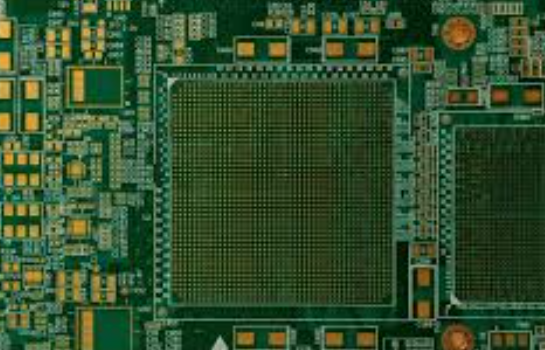
Common Mistakes To Avoid When Creating Holes In Prototype PCBs
Creating holes in prototype printed circuit boards (PCBs) is a critical step in the design and manufacturing process. However, it is also an area where many common mistakes can occur, leading to potential issues in the functionality and reliability of the final product. One of the most frequent errors is the incorrect sizing of holes. Ensuring that the holes are of the appropriate diameter is essential for accommodating the components’ leads and ensuring a secure fit. If the holes are too small, components may not fit properly, leading to poor electrical connections. Conversely, if the holes are too large, components may become loose, resulting in mechanical instability and potential circuit failures.
Another common mistake is the improper placement of holes.
Accurate placement is crucial for maintaining the integrity of the circuit design and ensuring that all components are correctly aligned. Misplaced holes can lead to misalignment of components, which can cause short circuits or open circuits, ultimately compromising the functionality of the PCB. To avoid this, it is important to double-check the placement of holes during the design phase and use precise drilling techniques during the manufacturing process.
Additionally, the choice of drill bit can significantly impact the quality of the holes.
Using a drill bit that is not suitable for the material of the PCB can result in rough or uneven holes, which can affect the overall performance of the board. It is important to select a drill bit that is specifically designed for the type of PCB material being used, whether it is fiberglass, phenolic, or another substrate. This will help ensure clean, precise holes that maintain the integrity of the board.
Furthermore, neglecting to account for the plating process can lead to issues with hole quality.
During the plating process, a thin layer of metal is deposited on the walls of the holes to create a conductive path between different layers of the PCB. If the holes are not properly prepared or if the plating process is not carefully controlled, the resulting plated holes may have poor adhesion or insufficient conductivity. This can lead to intermittent connections or complete circuit failures. To avoid this, it is important to follow best practices for hole preparation and plating, including proper cleaning and surface treatment of the holes before plating.
Another critical aspect to consider is the thermal management of the PCB during the drilling process.
Excessive heat generated during drilling can cause damage to the PCB material, leading to delamination or other structural issues. To mitigate this risk, it is important to use appropriate drilling speeds and feed rates, as well as to employ cooling techniques such as air or liquid cooling to dissipate heat effectively.
Lastly, it is important to consider the impact of hole placement on the overall design and manufacturability of the PCB.
Placing holes too close to the edge of the board or too close to other components can create mechanical stress points that may lead to cracking or other damage during assembly or use. It is important to follow design guidelines and industry standards for hole placement to ensure the durability and reliability of the final product.
In conclusion, creating holes in prototype PCBs requires careful attention to detail and adherence to best practices to avoid common mistakes. By ensuring proper hole sizing, accurate placement, appropriate drill bit selection, careful plating preparation, effective thermal management, and thoughtful design considerations, designers and manufacturers can produce high-quality PCBs that meet the required performance and reliability standards.
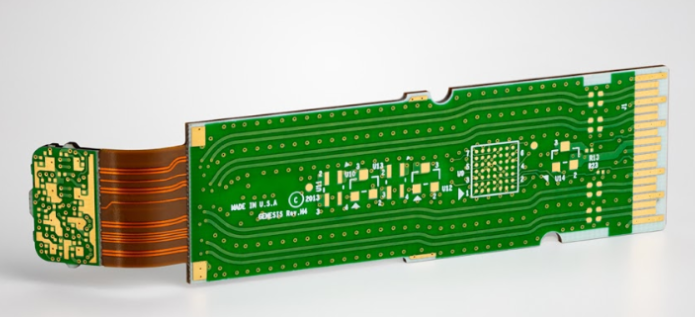
How To Choose The Right Drill Bits For Prototype PCB Holes
When embarking on the journey of creating a prototype printed circuit board (PCB), one of the critical aspects to consider is the selection of appropriate drill bits for the PCB holes. The choice of drill bits can significantly impact the functionality and reliability of the final product. Therefore, understanding the nuances of drill bit selection is essential for any engineer or hobbyist involved in PCB prototyping.
To begin with, it is important to recognize that PCB holes serve various purposes, including mounting components, providing electrical connections, and facilitating mechanical support.
Consequently, the diameter and precision of these holes must align with the specific requirements of the components and the overall design. The first step in choosing the right drill bits is to identify the types of holes needed, such as through-holes, vias, and mounting holes. Each type has distinct specifications that must be met to ensure optimal performance.
Transitioning to the material of the drill bits, it is crucial to select a material that can withstand the rigors of drilling through the PCB substrate, typically made of fiberglass-reinforced epoxy laminate (FR4).
Carbide drill bits are highly recommended due to their hardness and durability, which allow them to maintain sharpness and precision over multiple uses. High-speed steel (HSS) bits, while more affordable, tend to wear out faster and may not provide the same level of accuracy as carbide bits.
Another important consideration is the drill bit size.
PCB drill bits are available in a wide range of diameters, usually measured in mils (thousandths of an inch) or millimeters. The size must correspond to the hole specifications in the PCB design files, often provided in the Gerber files. It is advisable to use a drill bit that is slightly smaller than the intended hole size to account for any potential expansion during the plating process. This ensures a snug fit for component leads and reliable electrical connections.
Moreover, the drill bit’s point angle plays a significant role in achieving clean and precise holes.
A standard point angle for PCB drill bits is 130 degrees, which provides a good balance between cutting efficiency and hole quality. A sharper angle may result in faster drilling but can also increase the risk of bit breakage and burr formation. Conversely, a more obtuse angle may reduce the cutting speed but enhance the durability of the bit and the smoothness of the hole walls.
In addition to the technical specifications, the quality of the drill bits should not be overlooked.
Investing in high-quality drill bits from reputable manufacturers can prevent issues such as bit breakage, inaccurate hole sizes, and excessive wear. It is also beneficial to maintain a stock of various sizes to accommodate different design requirements and to replace worn-out bits promptly.
Furthermore, the drilling process itself must be carefully managed to achieve the best results.
Using a precision drill press or a CNC drilling machine can ensure consistent hole placement and depth. Proper cooling and lubrication during drilling can also extend the life of the drill bits and improve hole quality. It is essential to follow the manufacturer’s recommendations for spindle speed and feed rate to avoid damaging the PCB or the drill bits.
In conclusion, selecting the right drill bits for prototype PCB holes involves a thorough understanding of the hole requirements, material properties, size specifications, and quality considerations. By paying attention to these factors and employing best practices during the drilling process, one can achieve precise and reliable PCB holes that contribute to the overall success of the prototype..